
Choosing the right uniform collection for your team goes beyond just picking a color. It directly impacts daily operations, employee comfort, and how your business is perceived. Practical decisions here can save time and money, reduce workplace issues, and ensure your team is equipped for their specific tasks.
This means looking at durability, ease of care, and how well the uniform supports the job at hand, not just its initial look.

Assessing Your Team’s Daily Demands
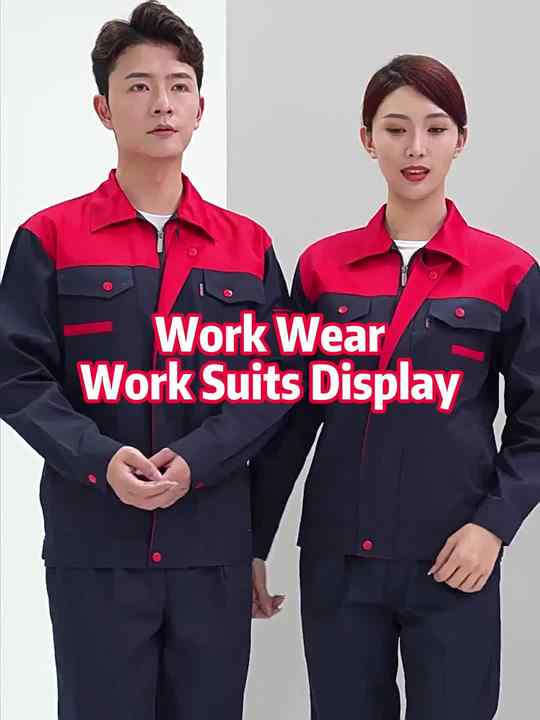
Different roles within a workplace have distinct uniform requirements. A healthcare professional needs scrubs that allow for movement and frequent washing, while an industrial worker requires durable fabrics that resist tears and offer protection. Consider the physical demands of each job. Are employees lifting, bending, or working in varied temperatures? The uniform material and design must support these actions without hindering performance. Prioritizing breathability for active roles or reinforced stitching for heavy-duty tasks are practical trade-offs that impact daily comfort and the uniform’s lifespan.


Balancing Budget and Quality for Long-Term Value
When evaluating uniform collections, the upfront cost is only one piece of the puzzle. A cheaper uniform might seem appealing initially, but if it wears out quickly, requires frequent replacement, or needs specialized cleaning, the long-term expenses can outweigh any initial savings. Investing in higher-quality materials often means better durability, less fading, and easier maintenance, leading to a lower total cost of ownership. Consider bulk purchasing options, but always verify the quality matches your needs. A common mistake is underestimating the cost of frequent replacements due to poor material choices.
Ensuring Compliance and Professional Appearance
Compliance with industry standards is non-negotiable, especially in healthcare and industrial settings. This might involve specific Personal Protective Equipment (PPE) requirements, flame-resistant fabrics, or hygiene standards. Beyond regulations, a consistent and professional appearance reinforces your brand identity and builds trust with clients. Ensure the uniform collection you choose aligns with your company’s image. Also, consider the ease of care instructions. Uniforms that are difficult to clean or maintain can quickly look unprofessional, impacting team morale and public perception.

What’s often overlooked is the long-term impact of uniform durability and the actual cost of care. A uniform that requires specialized dry cleaning or delicate handling might seem fine initially, but over time, these requirements add up. Employees might cut corners, leading to premature wear and tear, or the company might incur significant laundry service expenses. This isn’t just about looking neat; it’s about the operational budget and the lifespan of your investment.
Beyond the initial purchase, the practical fit and comfort of compliant uniforms are critical. A uniform might meet all safety specifications, but if it restricts movement, causes chafing, or is simply uncomfortable for a full shift, employees will find ways to adjust it. This could mean rolling up sleeves on flame-resistant garments, leaving safety vests unzipped, or wearing personal clothing underneath that compromises the uniform’s protective qualities. What looks compliant on paper can become a safety hazard in the field if it doesn’t work for the person wearing it.
These issues don’t just affect the individual employee; they create a ripple effect. Managers often spend valuable time addressing uniform complaints, coordinating replacements, or enforcing proper wear. This administrative overhead, while not a direct uniform cost, diverts resources from core operational tasks. The cumulative effect of minor uniform problems can lead to a noticeable drain on productivity and team morale, far beyond the initial cost savings of a cheaper or less practical option.
Practical Considerations for Sizing and Inventory
Accurate sizing is crucial for employee comfort and satisfaction. A uniform that fits poorly can restrict movement, cause discomfort, and even pose safety risks. When selecting a collection, review the sizing charts carefully and consider offering a range of sizes to accommodate your diverse team. For ongoing operations, plan for inventory management. This includes having extra uniforms for new hires, replacements due to wear and tear, or unexpected damage. Understanding lead times for reordering is essential to avoid shortages that can disrupt daily work or delay onboarding new staff.
Evaluating Bestsellers: What Works for Others
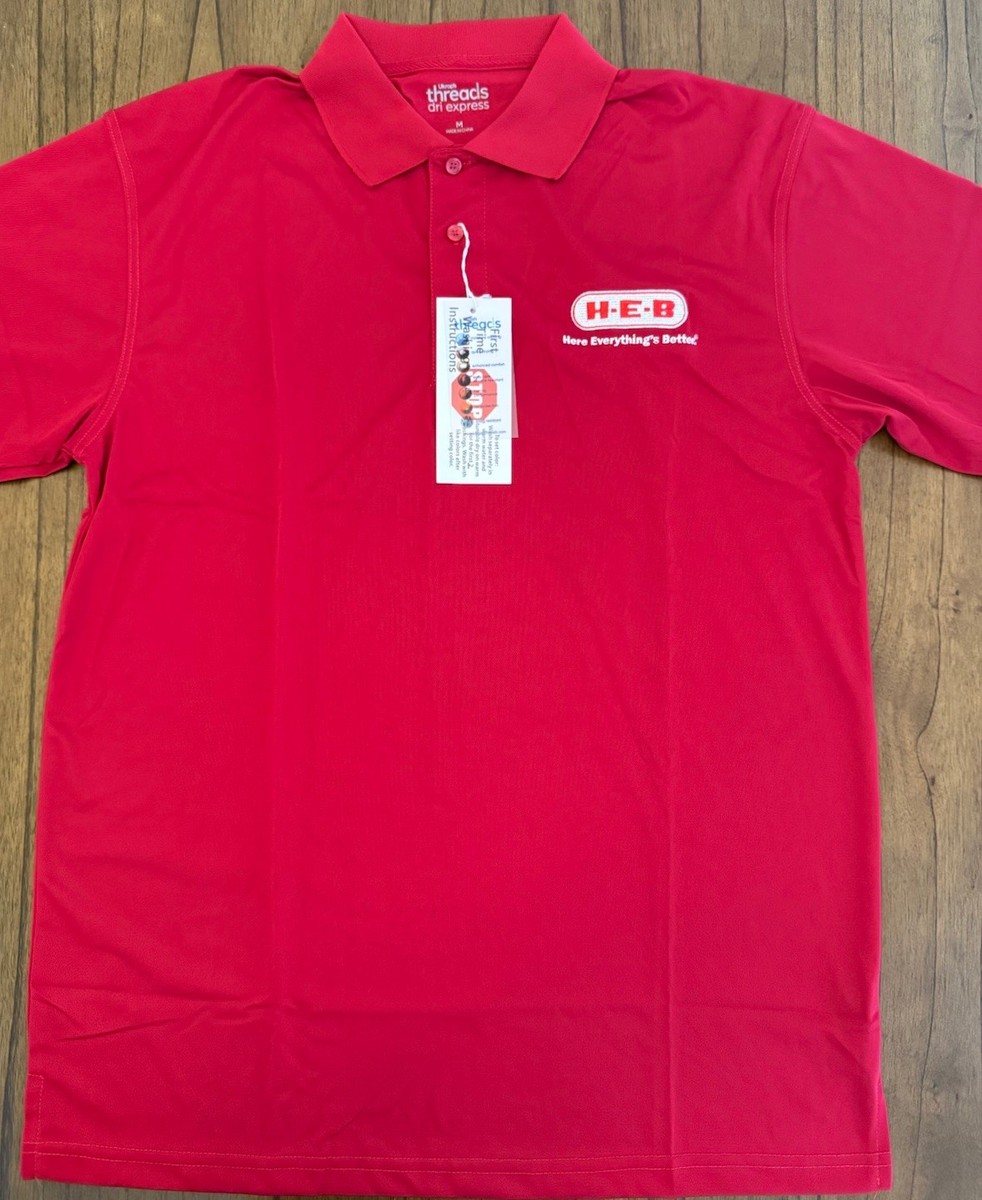
Looking at popular uniform items or ‘bestsellers’ within various collections can offer insights into what practical features resonate with other workplaces. Often, these items are popular because they strike a good balance between comfort, durability, and functionality. For instance, many healthcare environments favor scrubs with specific fabric blends that offer stretch and moisture-wicking properties, making long shifts more manageable. In industrial settings, work pants with reinforced knees and multiple utility pockets are frequently chosen for their practical benefits. The key is to understand why these items are popular – usually, it’s because they solve common workplace problems, not just because they look good. Use this information to guide your choices, always aligning it with your team’s specific needs and job demands.

 Templar Uniform Editorial


