
Choosing the right hoodies and tees for your team or for yourself in a U.S. workplace goes beyond just picking a color. These items are often daily wear, impacting comfort, mobility, and how professional your team appears. Making informed decisions here can save money, reduce complaints, and ensure everyone is appropriately dressed for their tasks.
This article focuses on the practical aspects of selecting branded apparel, considering the real-world demands of healthcare, service, industrial, and office settings. We will look at factors that directly affect daily operations and employee satisfaction.

Understanding Fabric Choices for Daily Wear
The material of a hoodie or tee dictates much about its performance. For most U.S. workplaces, cotton, polyester, or a blend are common. Cotton offers breathability and softness, which is good for less active roles or office settings. However, it can absorb moisture and dry slowly, making it less ideal for physically demanding jobs where sweat management is key.
Polyester and other synthetic blends excel in moisture-wicking and quick-drying properties. These are often preferred in industrial or service roles where workers are active or exposed to varying temperatures. The trade-off can be a less natural feel and sometimes odor retention if not treated properly. Blends often aim to combine the best of both worlds, offering comfort with improved performance.
Fit and Professional Appearance
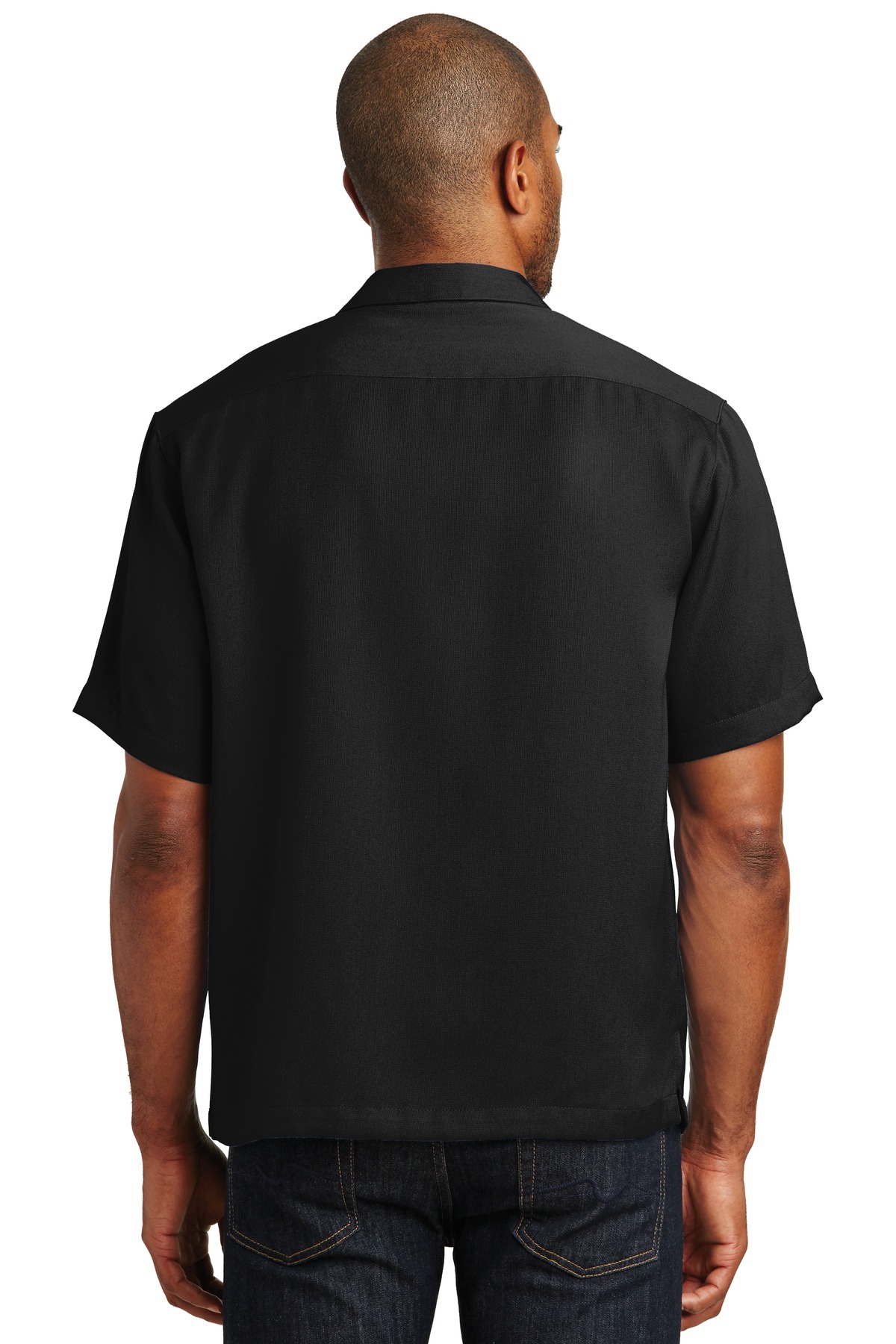
A well-fitting hoodie or tee contributes significantly to a professional image and worker comfort. Overly baggy garments can look unprofessional, snag on equipment, or restrict movement in unexpected ways. Too tight, and they can be uncomfortable, limit range of motion, and appear unprofessional.
For office or client-facing service roles, a more tailored, but not restrictive, fit is generally preferred. In industrial or healthcare settings, ease of movement is paramount, so a slightly looser fit might be necessary, but it should still be consistent across the team. Consider how the item layers over other clothing, especially if it’s worn as part of a multi-layer uniform.
Durability and Maintenance in Demanding Roles
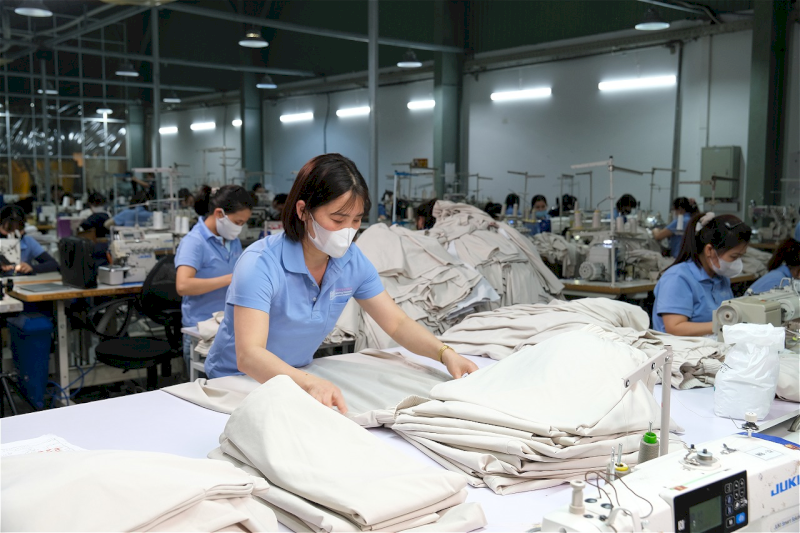
Workwear needs to withstand repeated washing and daily wear. This is especially true in industrial and healthcare environments where garments face frequent laundering, sometimes at high temperatures, and exposure to various substances. Look for reinforced seams, quality stitching, and colorfast fabrics that resist fading.
Cheaper options might seem appealing initially, but they often wear out faster, requiring more frequent replacement. This increases long-term costs and can lead to inconsistent team appearance. Checking fabric weight and construction can give an indication of durability. A heavier fabric often, but not always, signifies better longevity.
What often gets overlooked is the administrative burden that comes with frequent uniform failures. Each replacement isn’t just a new garment cost; it involves time spent by managers or inventory staff processing orders, tracking returns, and distributing new items. This administrative overhead, while not always line-itemed, pulls resources away from core tasks. Employees also face frustration when their workwear consistently fails, leading to a perception of inadequate support or a lack of investment in their daily comfort and safety.
Beyond the main fabric, critical components like zippers, buttons, and snaps are common points of failure that can render an otherwise sturdy garment unusable. A broken zipper on a jacket or a missing button on a shirt can force an employee to wear non-compliant attire or spend time sourcing a replacement, impacting productivity. Similarly, seams in high-stress areas like armpits, crotches, and pockets are often the first to give out, even if the rest of the fabric holds up. These localized failures can lead to premature disposal of the entire garment, negating any perceived initial savings.
The initial purchase price rarely tells the whole story. While a lower upfront cost might meet immediate budget constraints, the cumulative expense of frequent reorders, increased administrative time, and potential impacts on team morale can quickly outweigh any perceived savings. Real-world conditions, from specific job tasks to industrial laundering processes, often accelerate wear and tear beyond what basic specifications might suggest. Prioritizing total cost of ownership, rather than just the per-unit price, is a more practical approach for long-term uniform management.
Compliance and Branding Considerations
When incorporating branded hoodies and tees, compliance with company policy and any industry-specific regulations is crucial. This includes guidelines on logo size, placement, and approved colors. Some environments, like certain industrial sites, might have requirements for flame resistance or high-visibility elements, which standard hoodies and tees typically do not meet.
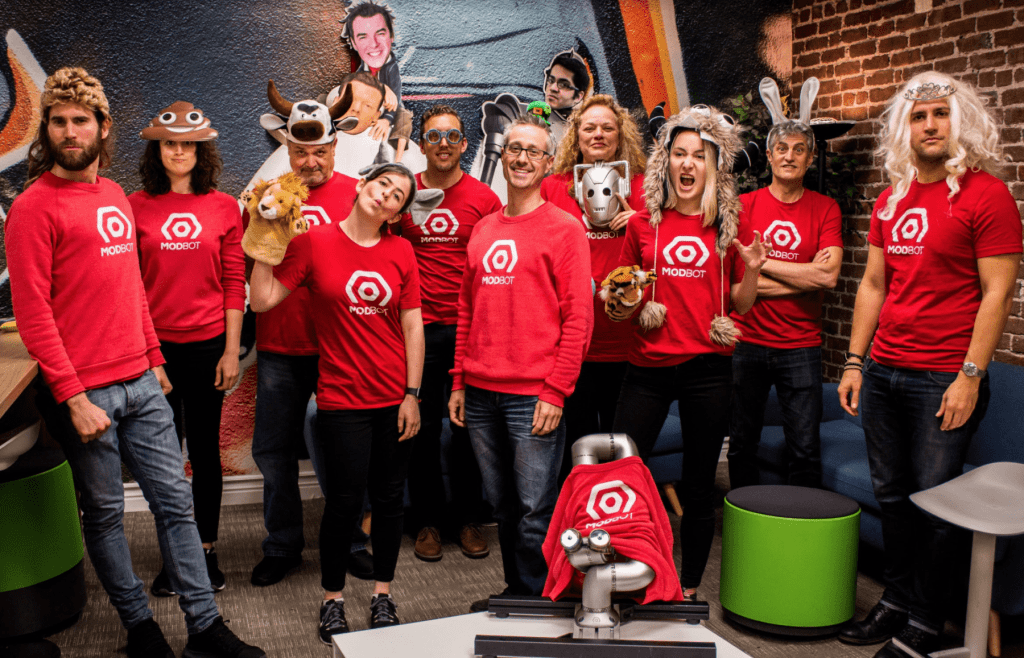
Ensure the branding is consistent and clear. A well-placed, durable logo reinforces team identity without compromising the garment’s function or professional look. Discuss branding options with suppliers to understand how different printing or embroidery methods affect durability and feel.
Cost vs. Value: Making Smart Purchasing Decisions
Balancing the upfront cost with the long-term value is a practical decision for any U.S. workplace. The cheapest option is rarely the most economical in the long run if it means frequent replacements or employee discomfort. Consider the total cost of ownership, including purchase price, expected lifespan, and laundry expenses.
Investing in slightly higher quality items that last longer can reduce administrative time spent on reordering and improve employee morale. Look for suppliers who offer bulk discounts or consistent pricing for repeat orders. Pilot testing a few options with a small group of employees can provide valuable feedback before a larger purchase.


 Templar Uniform Editorial


