
The Enduring Allure of Templar Aesthetics in Modern Fashion
The visual legacy of the Knights Templar, an order steeped in history and mystique, continues to resonate in unexpected corners of contemporary culture. Beyond historical reenactments or academic study, elements of Templar attire have subtly permeated modern fashion, particularly within the streetwear segment. This phenomenon is not about direct replication but rather an interpretation of core design principles and symbolic weight, translating them into a sleek, functional, and culturally resonant aesthetic for today’s urban landscape.
In recent years, the appeal of historical motifs has seen a resurgence, with designers and consumers alike drawn to narratives of strength, discipline, and a distinct visual identity. The Templar aesthetic, characterized by its stark simplicity and powerful symbolism, offers a unique foundation for this trend. It provides a historical depth that distinguishes it from more ephemeral fashion fads, offering a sense of heritage and purpose to modern garments.

Historical Foundations of Templar Attire
Historically, the Knights Templar’s uniform was designed for practicality and immediate recognition on the battlefield and within their monastic order. The most iconic elements included the white mantle, symbolizing purity and chastity, and the distinctive red cross, a potent emblem of martyrdom and the Crusades. This uniform was not merely clothing; it was a visual declaration of their vows, their mission, and their identity as warrior monks. The simplicity of their garments, devoid of excessive ornamentation, underscored their ascetic lifestyle.
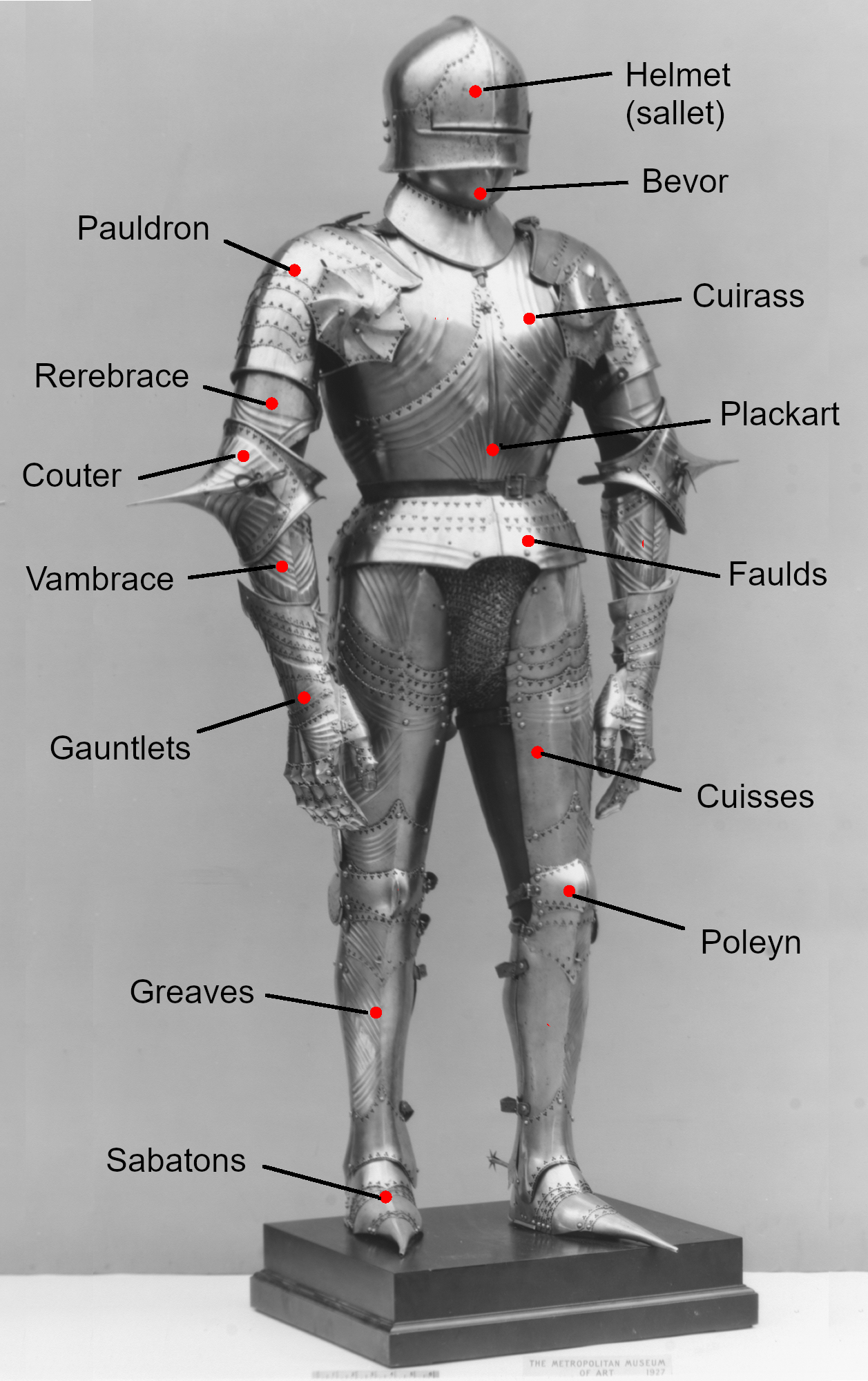
The functional aspects of their attire, such as durable fabrics and designs that allowed for freedom of movement, also played a crucial role. While the specific materials and construction methods of the medieval period differ vastly from modern manufacturing, the underlying principles of utility and clear visual communication remain relevant. Understanding these historical roots is essential for appreciating how their aesthetic translates into contemporary fashion without losing its original gravitas.
Core Elements of Templar-Inspired Design
When interpreting Templar aesthetics for streetwear, several core elements consistently emerge. The most prominent is the Templar cross, typically a pattee cross, which is often rendered in minimalist forms. This emblem can appear as a subtle embroidered detail, a printed graphic, or even as a structural element in garment design. Its clean lines and strong visual impact make it highly adaptable to modern graphic design principles.

The color palette is another critical aspect. The historical white and red remain central, often complemented by black, grey, and other muted tones that align with contemporary streetwear trends. White garments evoke the original mantle, while red accents provide a striking contrast and symbolic punch. Black and grey offer versatility and a modern edge, allowing the red cross to stand out more prominently. The overall effect is one of understated power and refined simplicity.
Integrating Symbolism into Contemporary Fashion
The integration of Templar symbolism into modern streetwear is typically subtle, avoiding overt costume-like appearances. Instead, designers draw inspiration from the order’s ethos and visual language. This might involve incorporating the cross emblem on a hoodie, a t-shirt, or an accessory like a cap or backpack. The placement is often strategic, designed to be noticed but not overwhelming, maintaining the sleek and minimalist aesthetic characteristic of current trends.

Beyond direct emblems, the influence extends to silhouettes and garment construction. Clean lines, structured forms, and functional details reminiscent of military or workwear can echo the practical and disciplined nature of Templar attire. Hooded garments, longline t-shirts, and utilitarian jackets, for instance, can be subtly imbued with a Templar spirit through color choices and minimal branding, creating a sense of quiet authority.
Materiality and Modern Interpretation
Modern Templar-inspired streetwear leverages contemporary materials and manufacturing techniques to achieve its sleek aesthetic. While medieval garments were made from wool and linen, today’s interpretations utilize high-quality cotton, technical fabrics, and performance blends. These materials offer comfort, durability, and a refined finish that aligns with the expectations of current fashion consumers.
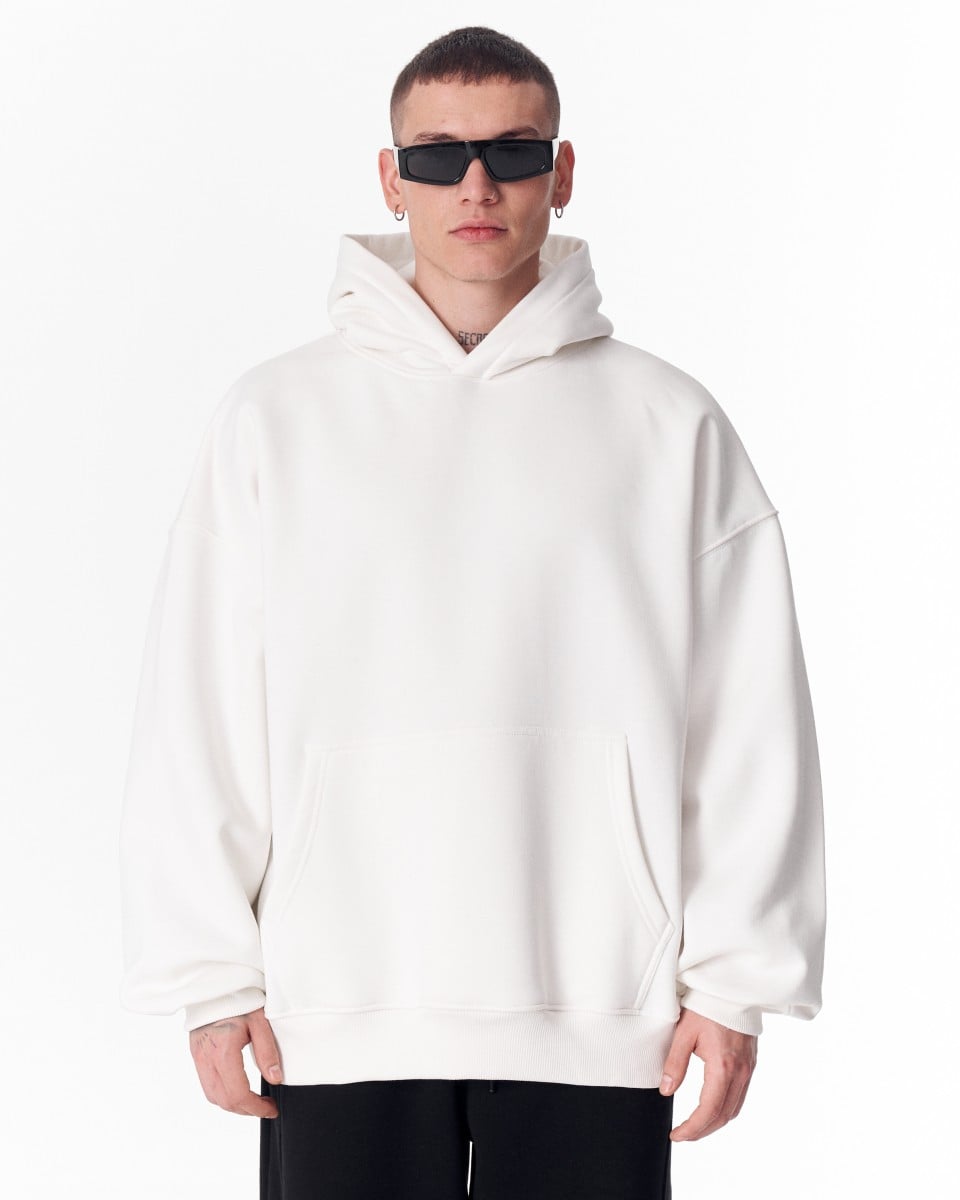
The focus is on premium textiles that drape well and maintain their shape, contributing to the overall polished look. Details such as reinforced stitching, precise cuts, and subtle textures further enhance the quality and modern appeal. The goal is to create garments that are not only visually striking but also comfortable and practical for daily wear, embodying a functional elegance that parallels the original Templar uniform’s purpose-driven design.
Cultivating a Templar-Inspired Wardrobe
For those looking to incorporate sleek Templar streetwear into their personal style, the approach should prioritize subtlety and quality. Start with foundational pieces in white, black, or grey, such as hoodies, crewneck sweaters, or well-fitting t-shirts. Look for items with clean lines and minimal branding. The Templar cross can then be introduced through carefully selected accessories or garments with discreet embroidery or print.
Consider layering to build depth and visual interest, perhaps a white longline tee under a black bomber jacket, accented with a small red cross detail. The key is to evoke the spirit of the Templar aesthetic—discipline, purity, and strength—without resorting to overt historical cosplay. By focusing on quality, clean design, and strategic use of symbolism, one can cultivate a wardrobe that respectfully nods to this ancient order while remaining firmly rooted in contemporary style.

 Templar Uniform Editorial


