
The Enduring Appeal of Templar Aesthetics in Modern Fashion
The mystique surrounding the Knights Templar, a powerful medieval military order, continues to captivate the collective imagination. Beyond their historical significance, the visual identity of the Templars—characterized by stark contrasts and potent symbolism—has subtly permeated contemporary fashion. In recent years, elements of their distinctive attire have found an unexpected home in street style, offering a blend of historical gravitas and modern urban sensibility. This enduring appeal lies in the timeless qualities of their aesthetic: discipline, strength, and a clear, unambiguous visual language.
Today’s fashion landscape often draws inspiration from diverse historical periods, reinterpreting classic motifs for a new generation. The Templar aesthetic, with its strong graphic elements and functional undertones, provides a rich source for designers and fashion enthusiasts alike. It’s not about literal costume replication, but rather an homage to the core principles of their look, translated into wearable, contemporary garments. This article explores how these ancient influences manifest in modern street style, offering insights into their cultural context and trend interpretation.

The Iconic Symbols: Cross and Color Palette
At the heart of the Templar visual identity is the red cross, most commonly depicted as a cross pattee or a similar form, emblazoned on a white surcoat. This powerful emblem, instantly recognizable, serves as a direct and potent symbol of the order’s spiritual and martial purpose. In modern street style, this iconic cross is often reinterpreted, appearing on t-shirts, hoodies, jackets, and accessories. Sometimes it’s a bold, direct reproduction; other times, it’s subtly integrated through abstract patterns or minimalist designs that evoke its shape without being overtly literal.
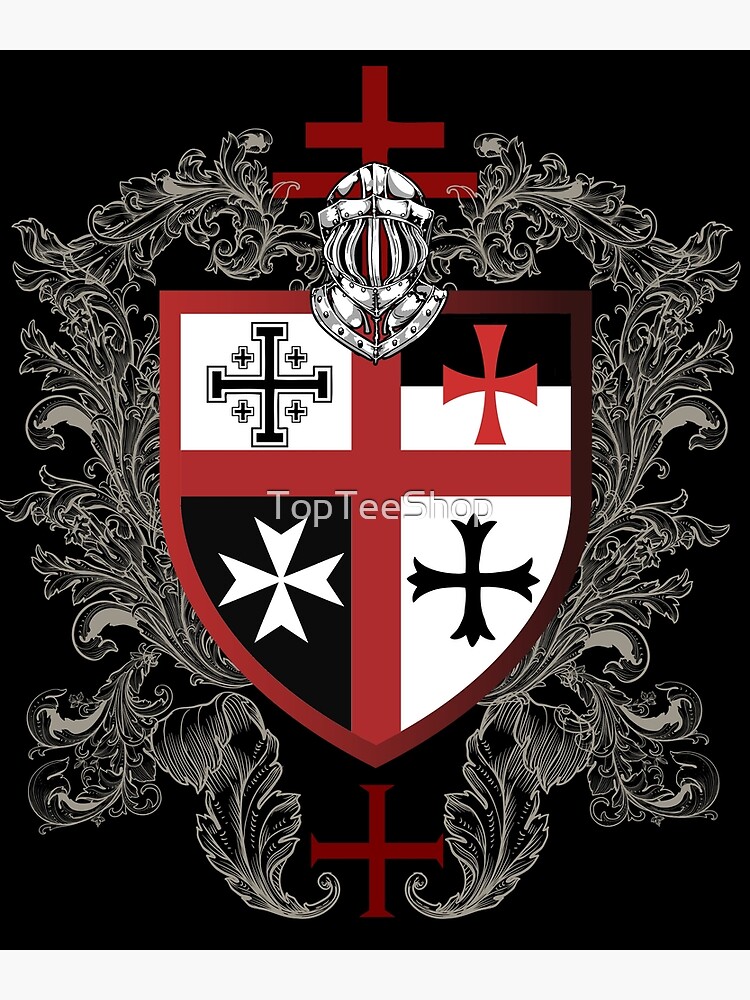
Beyond the cross, the core color palette of red, white, and black remains a cornerstone of Templar-inspired fashion. White signifies purity and discipline, red represents martyrdom and courage, and black, often seen in undergarments or accessories, adds a layer of solemnity and contrast. These colors are inherently versatile and powerful, making them easy to integrate into modern wardrobes. Contemporary interpretations might feature stark color blocking, monochromatic outfits with a single red accent, or graphic prints that utilize this classic trio to create a visually striking effect.
Silhouettes and Structure: Echoes of Medieval Attire
The functional and layered nature of medieval Templar attire provides a blueprint for certain modern street style silhouettes. The long surcoats worn over armor, the practical tunics, and the protective cloaks all emphasized utility and a structured, often elongated form. In current fashion, these historical elements translate into oversized hoodies, longline t-shirts, and structured outerwear such as trench coats or utility jackets that mimic the protective and imposing presence of medieval garments. The emphasis is on clean lines and a sense of deliberate construction.
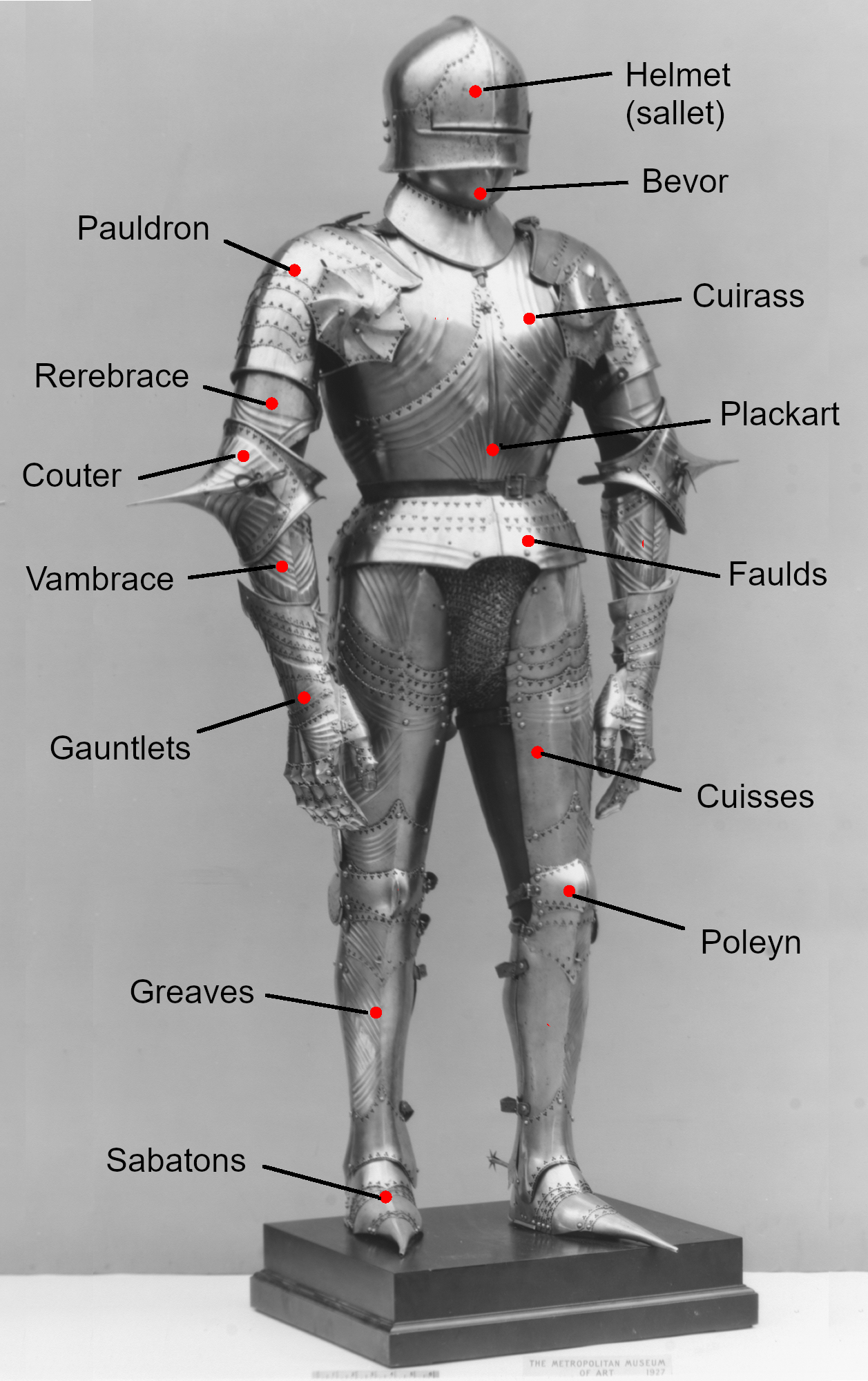
The practicality inherent in Templar clothing, designed for movement and protection, resonates with the functional aspects of contemporary streetwear. Garments that offer comfort, durability, and multiple pockets or adjustable features reflect a similar ethos of readiness and utility. While the materials have evolved significantly, the underlying principle of clothing designed for purpose, rather than mere ornamentation, remains a key link between historical Templar attire and modern, functional street style.
Materials and Textures: From Wool to Modern Fabrics
Historically, Templar garments were crafted from natural fibers like wool and linen, chosen for their durability, warmth, and breathability in varying climates. These materials provided the necessary protection and comfort for knights on campaign. In today’s Templar-inspired street style, while the aesthetic remains, the material choices have evolved to reflect modern textile innovations. Heavy cottons, durable denim, technical nylons, and performance blends are commonly used, offering contemporary comfort, weather resistance, and ease of care.
Despite the shift in materials, the tactile experience often seeks to evoke a similar sense of robustness and quality. Think of thick, structured fabrics that hold their shape, or textured weaves that add depth to a garment. The aim is to convey a sense of strength and resilience, mirroring the practical demands of historical Templar wear, but adapted for urban environments. This blend of historical inspiration with modern material science allows for both authenticity in spirit and contemporary wearability.
Subtlety vs. Overt Homage: Styling Approaches
Individuals adopting Templar-inspired street style often navigate a spectrum from subtle nods to more overt declarations. On one end, direct homage involves incorporating clear Templar crosses, specific color blocking, or even stylized Latin phrases. This approach is often seen in graphic tees, patches on jackets, or accessories like rings and pendants that explicitly reference the order. It’s a bold statement, clearly signaling an appreciation for the historical aesthetic and its associated values.
Conversely, a more subtle approach involves integrating Templar elements through abstract means. This might include a focus on the core color palette without explicit symbols, utilizing structured and layered silhouettes, or choosing garments with a minimalist yet powerful design. For instance, a long white tunic-style shirt paired with dark trousers and a red accessory can evoke the Templar aesthetic without being overtly costume-like. This nuanced interpretation allows for a broader integration into everyday fashion, appealing to those who prefer a more understated historical influence.

Beyond the Battlefield: The Cultural Resonance
The enduring fascination with the Knights Templar extends far beyond historical interest; it taps into deeper cultural archetypes. The order represents ideals of discipline, unwavering conviction, and a certain stoic strength. These qualities resonate strongly in a contemporary world that often seeks meaning and resilience. When individuals incorporate Templar-inspired elements into their style, they are not just wearing clothes; they are engaging with a narrative of historical power and enduring mystique.
This cultural resonance is amplified by the Templars’ legendary status and the air of mystery that surrounds their dissolution. Their story evokes themes of loyalty, sacrifice, and the pursuit of a higher purpose, which continue to inspire. In fashion, this translates into an aesthetic that feels both grounded in history and imbued with a sense of quiet authority, making it appealing to those who value substance and a connection to a storied past.
Crafting Your Own Templar-Inspired Look
For those looking to integrate Templar aesthetics into their personal street style, the key lies in thoughtful selection and balance. Begin by focusing on the core elements: the red, white, and black color palette, and the potential for incorporating the cross emblem. Consider structured outerwear like long coats or utility jackets, and layered pieces such as elongated t-shirts or hoodies that mimic the historical surcoat silhouette.
Experiment with accessories to add subtle or overt references. A simple red beanie, a white minimalist sneaker, or a black leather bracelet can all contribute to the overall aesthetic. The goal is to create a cohesive look that pays homage to the Templar spirit without appearing theatrical. By blending these historical inspirations with current fashion trends, individuals can craft a unique and powerful street style that speaks to both ancient legends and modern sensibilities.
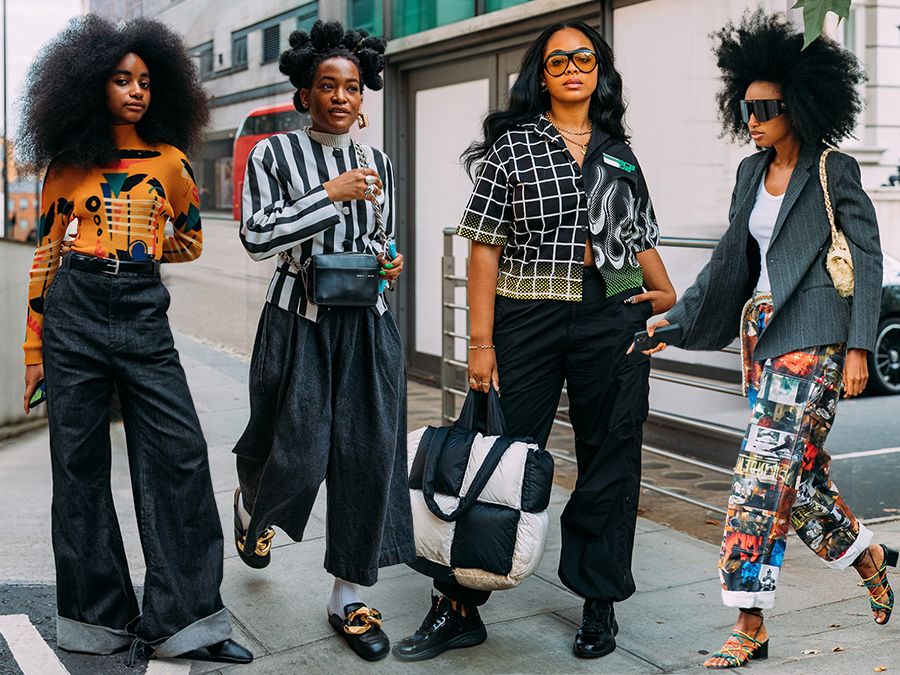

 Templar Uniform Editorial


