
The Enduring Allure of Templar Aesthetics in Modern Fashion
The Knights Templar, an enigmatic order from the medieval era, continue to captivate the collective imagination. Beyond their historical significance and legendary mystique, their distinctive attire has emerged as a compelling source of inspiration for contemporary fashion. This enduring appeal stems from a powerful visual identity that conveys strength, discipline, and a connection to a storied past.
In recent years, we have observed a growing interest in integrating historical motifs into modern wardrobes. The Templar aesthetic, with its bold symbolism and minimalist color palette, offers a unique opportunity to infuse everyday style with a sense of heritage and purpose. The goal is not to replicate a costume, but to interpret and adapt these iconic elements into a cohesive and relevant contemporary look.

Decoding the Iconic Templar Cross
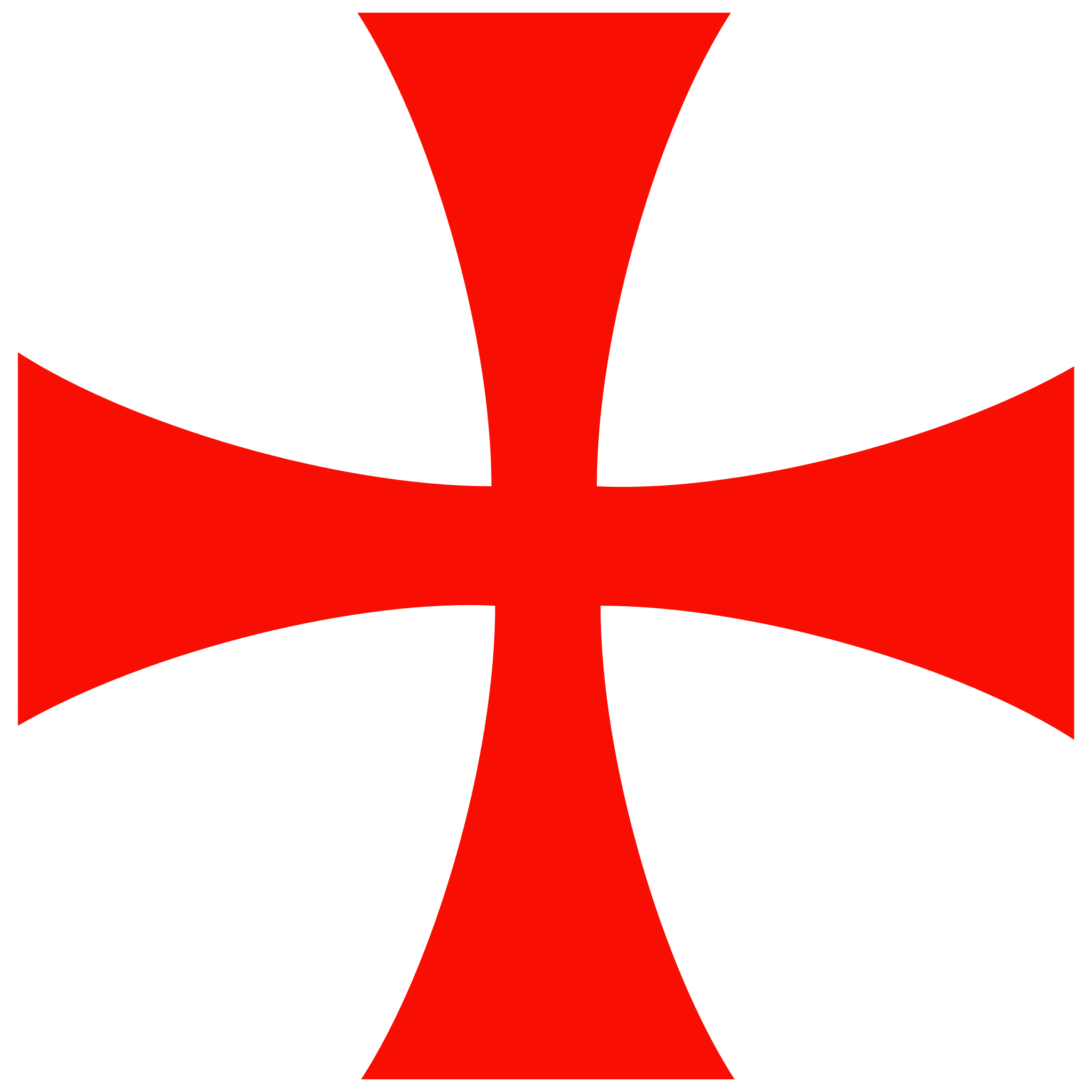
At the heart of Templar apparel lies the potent symbol of the red cross on a white field. Historically, this emblem represented the Knights’ vows of purity and sacrifice, serving as an unmistakable identifier on the battlefield and within their order. Its stark contrast and simple geometry make it instantly recognizable and visually impactful.
Today, the Templar cross transcends its original context to become a powerful graphic motif in fashion. It appears not only as a direct emblem but also in abstract forms, patterns, or subtle embroidery. Its versatility allows for integration into various garments, from casual wear to more structured pieces, offering a touch of historical gravitas without being overtly thematic.
Core Elements and Their Contemporary Adaptations
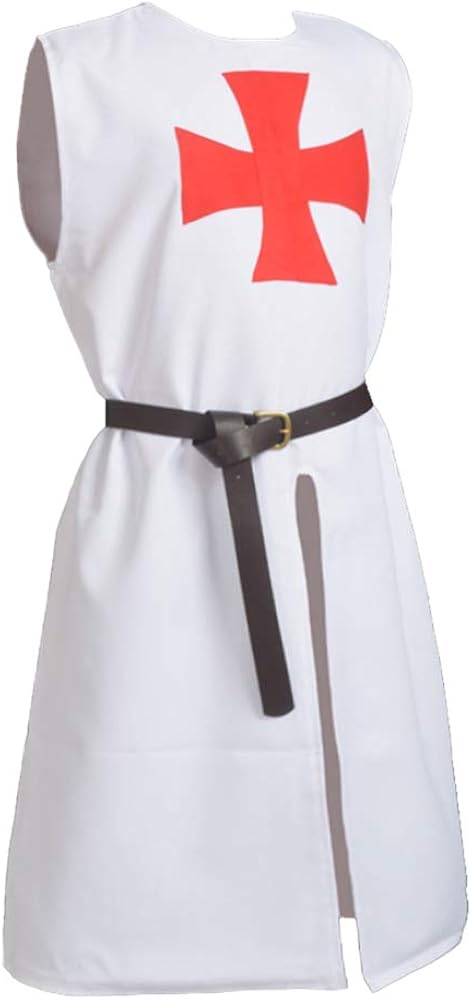
The traditional Templar uniform consisted primarily of a white tunic and a white mantle, both adorned with the distinctive red cross. These garments were functional, reflecting the order’s ascetic values and military purpose. The white symbolized purity and commitment, while the red cross represented martyrdom and the blood of Christ.
Modern interpretations draw inspiration from these foundational elements. The longline silhouette of the tunic can be echoed in contemporary oversized shirts, minimalist coats, or structured tunics made from modern fabrics. The flowing drape of the mantle might inspire capes, open-front cardigans, or even tailored outerwear with dramatic lines. The core color scheme of white, red, and black remains a powerful and versatile palette for today’s fashion.
Integrating Templar Motifs into Everyday Wear
Achieving a Templar-inspired look in daily fashion is often about subtlety and thoughtful integration. Start with the color palette: crisp whites, deep reds, and strong blacks can form the foundation of an outfit. Consider a white linen shirt paired with dark trousers and a touch of red in an accessory, such as a pocket square or a minimalist scarf.
Accessories offer another avenue for subtle homage. Simple, unadorned leather belts, metal buckles with clean lines, or minimalist jewelry featuring cross designs can evoke the aesthetic without being overt. Graphic tees or hoodies with stylized cross motifs, or even a structured jacket with a subtle red lining, can also contribute to a contemporary Templar-inspired ensemble.
Beyond Literal Interpretation: Modern Design Approaches
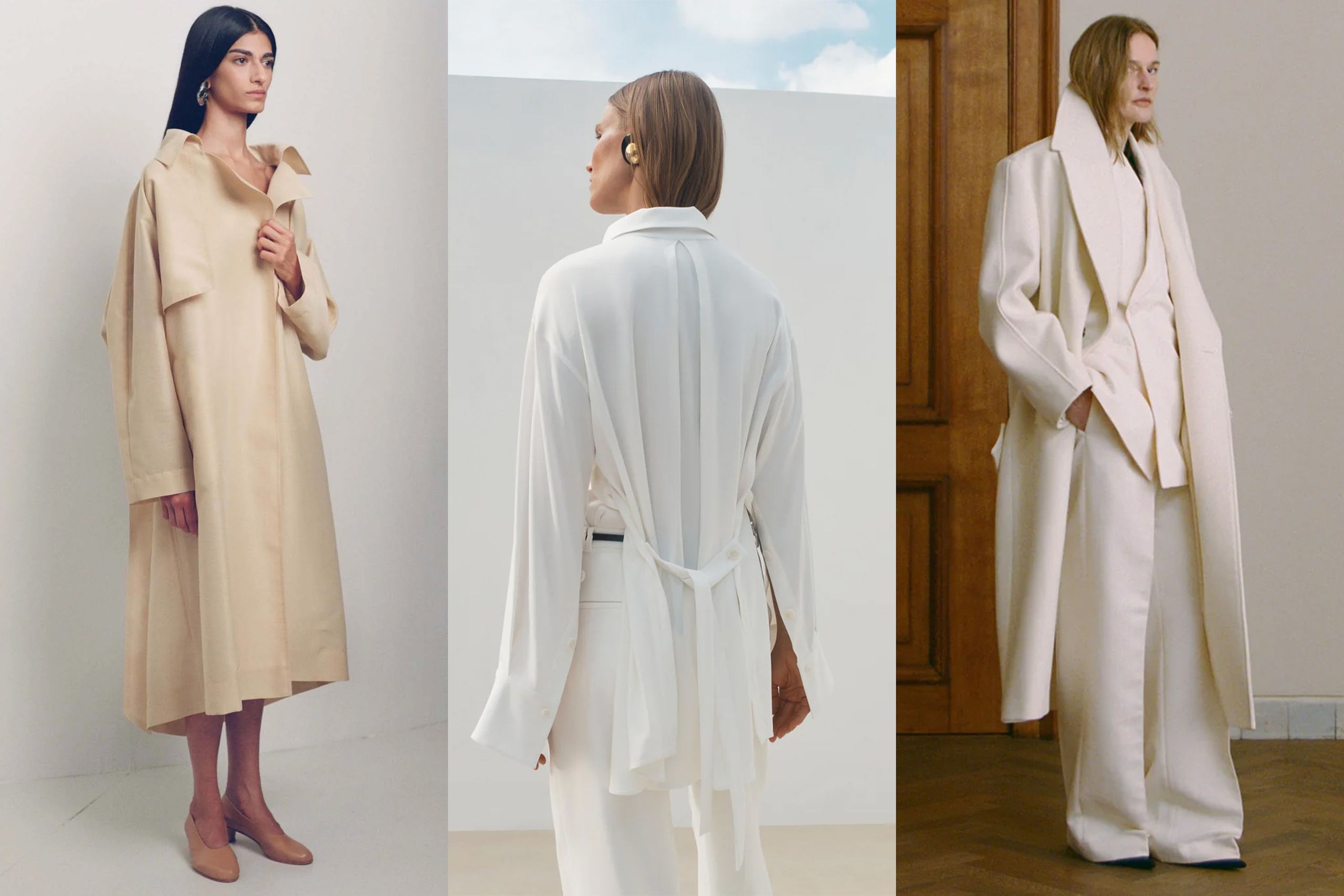
Contemporary fashion designers and enthusiasts often move beyond direct replication, drawing inspiration from the underlying principles of Templar attire. This can involve adopting the structured silhouettes of medieval armor, the layered look of historical garments, or the utilitarian aspects of their military gear. The focus shifts from historical accuracy to aesthetic resonance.
Material choice is crucial in this modern translation. Instead of traditional wool or linen, designers might utilize heavy cotton twills, structured denim, or even modern technical fabrics that offer durability and a clean drape. This approach allows for a fresh, current aesthetic that references the past while firmly rooting itself in present-day style sensibilities.

Respectful Engagement with Historical Imagery
When incorporating historical or culturally significant symbols into fashion, it is important to approach the subject with respect and awareness. The Knights Templar hold a complex place in history, and their symbols carry deep meaning. While fashion is inherently interpretive, understanding the original context helps in creating thoughtful and respectful designs.
The aim is to appreciate and draw inspiration from the widely recognized aesthetic elements of the Templars, rather than trivializing or misrepresenting their historical legacy. Focusing on the visual impact of the cross, the purity of the white, and the strength of the silhouette allows for a creative expression that honors the past while engaging with contemporary style.
The Enduring Legacy in Contemporary Style
The timeless appeal of the Templar aesthetic lies in its powerful combination of simplicity, symbolism, and a sense of historical gravitas. As fashion continues to evolve, the core elements of Templar style – its distinctive cross, its stark color palette, and its structured yet functional silhouettes – are likely to remain a source of inspiration.
This enduring legacy suggests that the Templar aesthetic will continue to find new expressions in future trends, adapting to changing tastes while always maintaining a discernible connection to its rich and storied past. It stands as a testament to how historical imagery can transcend time and inspire modern sartorial choices.

 Templar Uniform Editorial


