
In today’s fast-paced work environments, your daily attire is more than just clothing. It’s a practical tool that impacts your comfort, productivity, and how you’re perceived by colleagues and clients. Making smart choices about your work wardrobe can simplify your mornings and ensure you’re ready for whatever the workday brings.
This article focuses on practical considerations for building a professional urban work wardrobe. We’ll look at how to select pieces that offer durability, comfort, and a consistent professional image, helping you navigate the demands of healthcare, service, industrial, and corporate settings.

Choosing Durable Fabrics for Daily Work
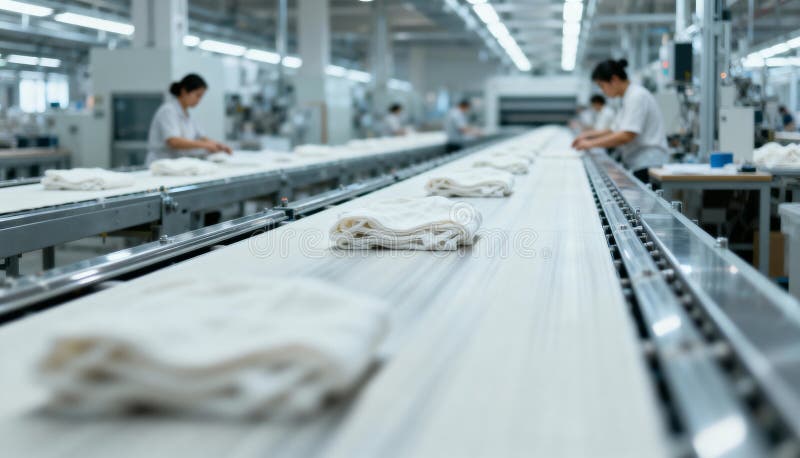
The foundation of any practical work outfit is the fabric. For professionals who are constantly moving or working in demanding conditions, material choice directly affects longevity and appearance. Opt for blends that resist wrinkles and wear, such as polyester-cotton mixes for uniforms or sturdy wool blends for corporate settings. Ripstop fabrics are excellent for industrial or service roles where tear resistance is critical. Prioritizing durability means fewer replacements and a consistently sharp look.
Comfort and Professionalism in Active Roles
Many urban jobs require significant movement, from healthcare professionals on their feet for hours to service staff managing busy shifts. Your clothing needs to allow for full range of motion without looking sloppy. Look for garments with a slight stretch, like elastane blends in scrubs or work pants. Ensure the fit is neither too tight nor too baggy. A well-fitting, comfortable outfit helps maintain focus and professionalism throughout long shifts.
Subtle Branding and Team Cohesion
For many teams, a unified look reinforces identity and professionalism. Integrating branding doesn’t always mean a large logo. Consider subtle elements like consistent color palettes across the team, or small, embroidered logos on a sleeve or collar. This approach maintains a professional aesthetic while clearly identifying team members. It’s about cohesion without compromising individual comfort or the overall polished appearance.

While a consistent color palette sounds straightforward, maintaining it in practice can be challenging. Different fabric blends often take dye differently, meaning a ‘standard’ navy blue might look slightly off between a cotton polo and a polyester jacket. Over time, even identical garments can fade at different rates depending on washing frequency and conditions. This subtle variation can slowly erode the intended unified look, making the team appear less coordinated than planned.
Another common oversight is the assumption that a single branded item will suit everyone equally. While the intent is to avoid compromising individual comfort, the reality of uniform procurement often means a limited range of styles or fits. An embroidered logo on a standard-issue shirt might fit some team members well, but feel restrictive or ill-fitting for others. This can lead to discomfort throughout the workday, impacting morale and potentially encouraging employees to modify or avoid wearing the branded item, which defeats the purpose of cohesion.
The long-term management of subtly branded items also presents practical challenges. When an item is damaged, lost, or an employee joins or leaves, replacing it quickly with an exact match is crucial for maintaining the unified appearance. However, sourcing specific sizes, colors, and logo placements on demand can be a logistical burden. This often involves minimum order quantities, lead times, and the risk of discontinued styles, adding unexpected administrative time and cost beyond the initial purchase. These delays can leave team members temporarily out of uniform, creating inconsistencies that are easy to overlook until they become a recurring issue.
Functional Footwear for Urban Environments
Footwear is a critical component of any work outfit, especially in urban settings where you might encounter varied surfaces or spend extended periods standing. Safety is paramount, so non-slip soles are often a requirement in service and industrial roles. Beyond safety, comfort and support are key. Choose shoes that offer adequate cushioning and arch support to prevent fatigue. Appearance-wise, clean, well-maintained shoes complete a professional look, whether they are polished leather for an office or sturdy, clean work boots for a factory floor.

Layering for Workplace Adaptability
Work environments can vary greatly in temperature, from chilly offices to warm industrial spaces or outdoor service calls. Effective layering allows you to adapt without needing a full wardrobe change. A lightweight, breathable base layer, followed by a professional shirt or top, and then a practical jacket or cardigan, offers flexibility. Ensure layers are easy to put on and take off, and that each piece contributes to a cohesive, professional appearance.
Maintaining a Polished Work Appearance
Even the most well-chosen uniform or professional outfit loses its impact if not properly maintained. Regular cleaning, timely repairs, and proper storage are essential. Follow care instructions to extend garment life and prevent premature wear. Keep a small kit for minor emergencies, like a stain remover pen or a lint roller. A consistently polished appearance reflects attention to detail and professionalism, which are valuable traits in any workplace.


 knighttemplar


