In any U.S. workplace, managing uniforms effectively impacts team identity, professionalism, and daily operations. While our modern work environments differ greatly from historical military orders, examining how groups like the Knights Templar managed their attire offers practical insights. Their approach to uniforms wasn’t just about appearance; it was about discipline, function, and clear identification. Understanding these historical parallels can help us make better decisions about uniforms in healthcare, service, industrial, and corporate settings today.
Building Team Identity with Consistent Uniforms
The Knights Templar were instantly recognizable by their white mantles with a red cross. This uniform was more than just clothing; it was a powerful symbol of their shared purpose and identity. For a dispersed organization operating across different regions, this visual consistency was crucial for cohesion and morale.

In today’s workplaces, a well-designed uniform serves a similar role. It fosters a sense of belonging among employees and presents a unified front to clients or the public. Whether it’s a branded polo shirt for a service team or specific scrubs in a healthcare facility, consistent attire helps build team spirit. It also simplifies daily dressing decisions for employees, removing guesswork about what is appropriate. The key is to select uniforms that clearly represent the organization while being practical for the job.

Prioritizing Function and Durability in Uniform Design
Templar attire, while symbolic, was also built for the demands of their daily lives and military duties. Their clothing needed to be durable, functional, and suitable for various climates and physical tasks. This practical approach ensured their gear supported their operational effectiveness.
For modern workplaces, uniform selection requires a similar focus on function and durability. A uniform for an industrial worker needs to withstand heavy use and provide necessary protection, often requiring specific materials or safety features. Healthcare professionals need scrubs that are easy to clean, comfortable for long shifts, and allow for freedom of movement. Service industry uniforms must be presentable, stain-resistant, and comfortable for active roles. Overlooking these practical aspects can lead to frequent replacements, discomfort, and reduced productivity. It’s a trade-off between initial cost and long-term performance and employee satisfaction.
Maintaining Professional Standards Through Clear Dress Codes
The Templars operated under strict rules, including guidelines for their appearance. This discipline ensured a consistent and professional image, reflecting their commitment and order. Deviations were likely addressed to maintain the integrity of the order.
In contemporary workplaces, clear and consistently enforced dress codes are essential for maintaining professional standards. This is not about stifling individual expression but about ensuring employees present an appropriate image for their role and industry. For example, a corporate office might require business casual, while a hospital might have strict hygiene and appearance rules for patient safety. Supervisors face the challenge of communicating these standards clearly and addressing non-compliance fairly. Ambiguous guidelines often lead to confusion and inconsistency. Providing specific examples and explaining the ‘why’ behind the rules can help employees understand and comply.

While clear guidelines are a necessary first step, the real test often comes with consistent enforcement. When supervisors hesitate to address minor deviations, perhaps to avoid conflict or because they seem insignificant, it can inadvertently signal that the rules are flexible. Over time, this inconsistency can lead to a gradual erosion of professional standards across the team. Employees might perceive a lack of fairness if rules are applied differently, fostering resentment and making it significantly harder to enforce the code uniformly in the future.
Beyond the policy itself, practical considerations often get overlooked. For instance, if a dress code requires specific types of apparel, the financial burden on employees to acquire and maintain these items can be a significant, if hidden, cost. This is particularly true for entry-level positions or when uniform changes are introduced. Without acknowledging this practical reality, even well-intentioned policies can lead to quiet frustration and inconsistent compliance, as employees may struggle to meet requirements without adequate support or understanding of the ‘why’ beyond a simple directive.
A policy document might outline what is acceptable, but the day-to-day reality involves individual interpretation and varying levels of comfort among staff and supervisors in applying it. This gap between the written word and its practical application can lead to perceived favoritism or unfairness, even when no ill intent is present. The goal isn’t just a document; it’s a consistent, understood, and fairly applied standard that supports the workplace’s overall objectives.
Efficient Management of Uniform Logistics
Managing uniforms for a widespread organization like the Knights Templar involved significant logistical challenges, from procurement to distribution and maintenance across different commanderies. Ensuring every knight had the correct and serviceable attire was vital for their readiness.
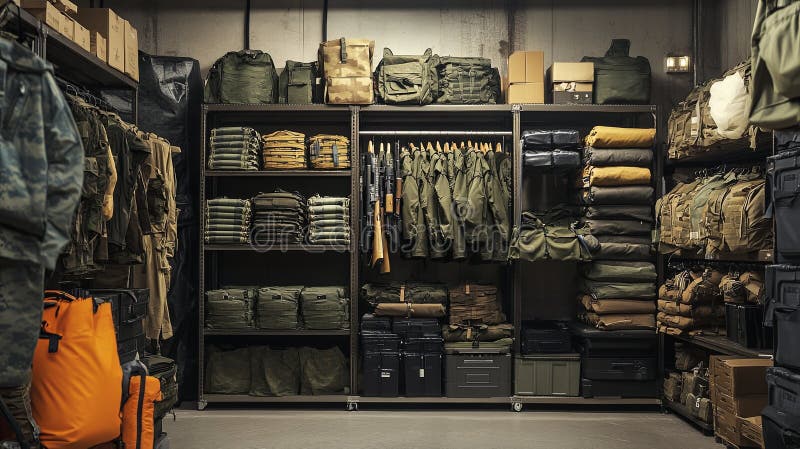
Today, managing uniforms for a large workforce also requires efficient logistics. This includes selecting reliable vendors, managing inventory, and establishing clear processes for distribution, cleaning, and replacement. For many U.S. businesses, this means considering factors like bulk purchasing discounts, local laundry services, or in-house uniform programs. Overlooking these logistical details can lead to shortages, delays, and increased operational costs. A well-planned uniform program considers the entire lifecycle of the uniform, from initial issue to end-of-life, ensuring employees always have access to appropriate and clean workwear without unnecessary hassle.

 Templar Uniform Editorial