In our daily work, we often encounter symbols, traditions, and stories that shape our professional environment. Sometimes, these elements carry a deep history, even if that history is mixed with popular lore. Understanding how to separate fact from narrative in historical contexts, like with the famed Templar relics, offers a practical skill.
It helps us critically evaluate information and appreciate the deeper meaning behind the symbols we see, from a company logo to the uniform we wear. This perspective is valuable whether you’re in healthcare, service, industrial, or an office setting.

Separating Historical Fact from Popular Lore
When we hear about historical items, especially those tied to groups like the Knights Templar, it’s easy to get caught up in the stories. Many ‘relics’ associated with the Templars, such as the Holy Grail or pieces of the True Cross, exist more in legend than in verified history. For professionals, this situation highlights a key point: not all information presented as fact holds up under scrutiny.
In our workplaces, whether it’s understanding a new policy or evaluating a project’s history, the ability to question narratives and seek verifiable evidence is crucial. Relying on unconfirmed stories can lead to misunderstandings or misjudgments, impacting operational decisions or team coordination.

The Influence of Legacy on Professional Identity
Even if a ‘relic’ is more lore than fact, its story can still carry significant weight. The enduring tales of Templar items contribute to a powerful legacy of discipline, purpose, and mystery. In a professional context, this translates to how organizations build their identity.
A company’s history, its founding principles, or even the design of its uniform can draw on a perceived legacy to foster a sense of belonging and shared purpose. For example, a healthcare uniform might subtly echo a tradition of care, or an industrial uniform might symbolize resilience. Understanding this influence helps us appreciate why certain symbols or dress standards matter, even if their historical roots are complex. It’s about the collective meaning, not just the material.
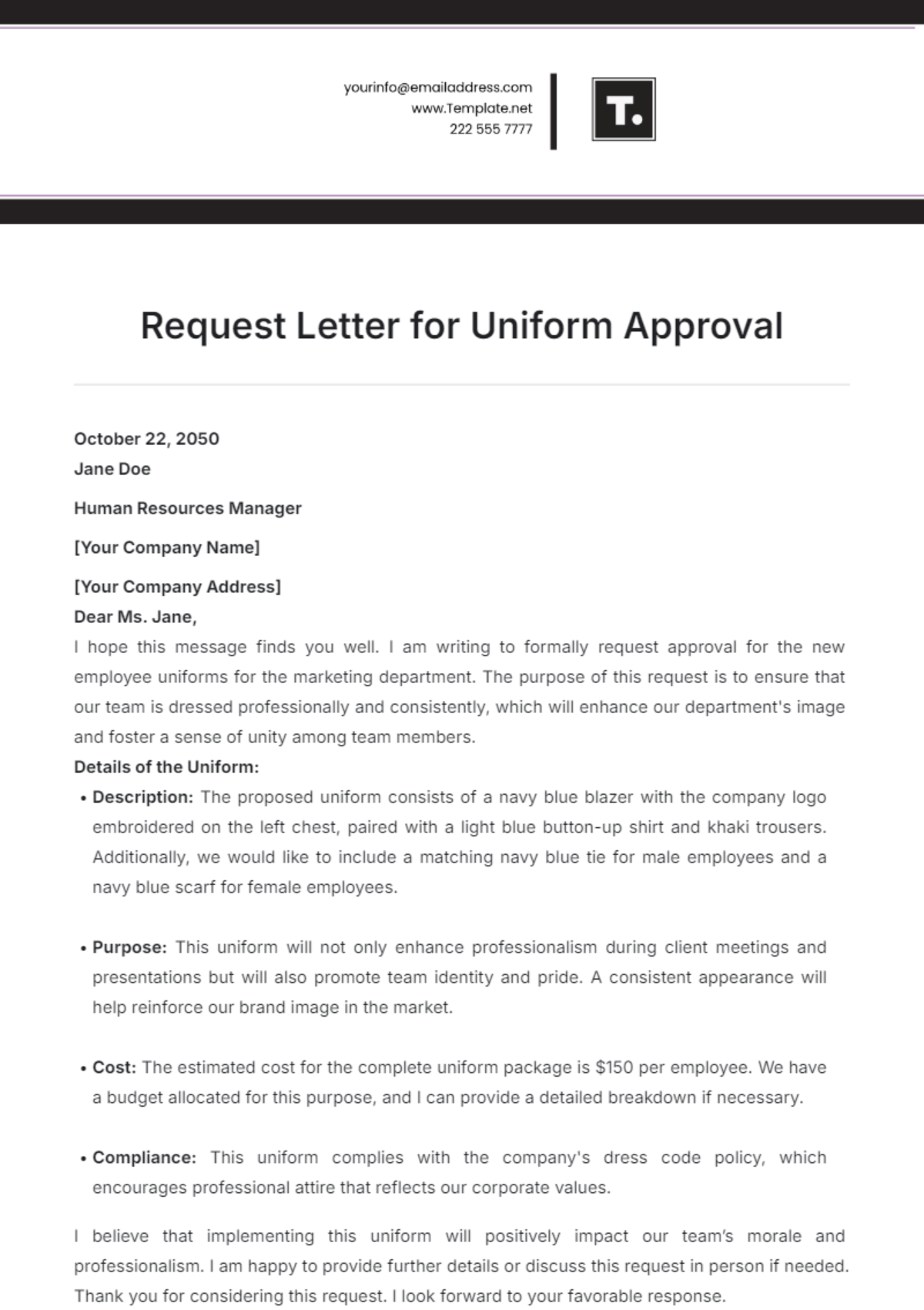
The challenge arises when this perceived legacy becomes a rigid expectation rather than a flexible guide. While the idea of a shared history is powerful, its practical manifestation, like a uniform, must also serve the daily realities of the job. Overlooking the functional aspects in favor of strict adherence to tradition can lead to unexpected friction.
For instance, a uniform design rooted in a historical look might use materials or cuts that are no longer suitable for modern work demands, such as increased mobility, specific safety requirements, or climate control. What was once a symbol of pride can, in practice, become a source of discomfort or inefficiency. This isn’t just about aesthetics; it impacts how people perform their duties and feel about their workplace.
This disconnect often creates a dilemma for both employees and management. Employees might feel a subtle pressure to endure an impractical uniform to uphold a perceived identity, leading to quiet frustration or reduced morale. For supervisors, the decision to update a uniform can involve navigating resistance from those who value tradition, even when practical benefits like improved comfort, durability, or compliance are clear. The true cost here isn’t just the fabric; it’s also in potential productivity dips and the erosion of goodwill.
Practical Considerations for Historical Narratives at Work
In our roles, we often encounter narratives about our company’s past, industry traditions, or even the history of our specific uniform. It’s practical to approach these stories with a balanced view. While celebrating heritage can boost morale and team cohesion, it’s also important to avoid letting unverified claims guide current decisions.
For instance, if a historical ‘tradition’ is cited to justify an outdated process, it’s worth examining the actual benefits and drawbacks. The goal is to leverage the positive aspects of legacy without being constrained by unexamined lore. This applies to everything from uniform procurement decisions, where durability and cost are key, to understanding the long-term impact of professional appearance standards.


 Templar Uniform Editorial