
In any U.S. workplace, looking professional and being prepared for the day’s demands are key. This isn’t just about following a dress code; it’s about making practical choices that support your work. This article will guide you through adopting a structured, durable approach to your professional attire, ensuring your clothing not only looks sharp but also stands up to the realities of your job, whether you’re in healthcare, a service role, an industrial setting, or a corporate office. You’ll gain insights into selecting garments that offer longevity, comfort, and a consistently polished appearance, helping you navigate daily tasks with confidence and ease.
Choosing Durable Fabrics for Daily Wear
The foundation of any practical work wardrobe is material quality. For professionals across various sectors, fabrics need to withstand repeated wear, washing, and the occasional strain of the job. Consider blends that offer both comfort and resilience, such as cotton-polyester mixes for uniforms or sturdy wool blends for corporate casual environments. These materials often resist wrinkles better and hold their shape longer than pure natural fibers, reducing the need for constant maintenance. Prioritize items labeled for durability or easy care, as this directly impacts their lifespan and your budget over time.


The Role of Clean Lines and Fit in Professional Appearance
A professional appearance often comes down to how well your clothes fit and the clarity of their design. Garments with clean lines—meaning they are free from excessive embellishments or overly complex patterns—project an image of competence and order. A proper fit is equally crucial. Clothing that is too baggy can look sloppy, while items that are too tight can restrict movement and appear unprofessional. Aim for a fit that allows full range of motion without excess fabric. This applies to everything from a healthcare scrub top to an office blazer. A well-fitted garment communicates attention to detail and respect for your role.
Practical Layering for Adaptable Work Environments
Work environments often have fluctuating temperatures or require different levels of protection throughout the day. Practical layering allows you to adapt without compromising your professional look. A base layer of a moisture-wicking undershirt can manage comfort, while a structured cardigan or a lightweight jacket can be added or removed as needed. For industrial or service roles, this might mean a durable work vest over a long-sleeve shirt. The key is to choose layers that complement each other in color and style, maintaining a cohesive and professional appearance. This approach saves time and ensures you are comfortable in various conditions.
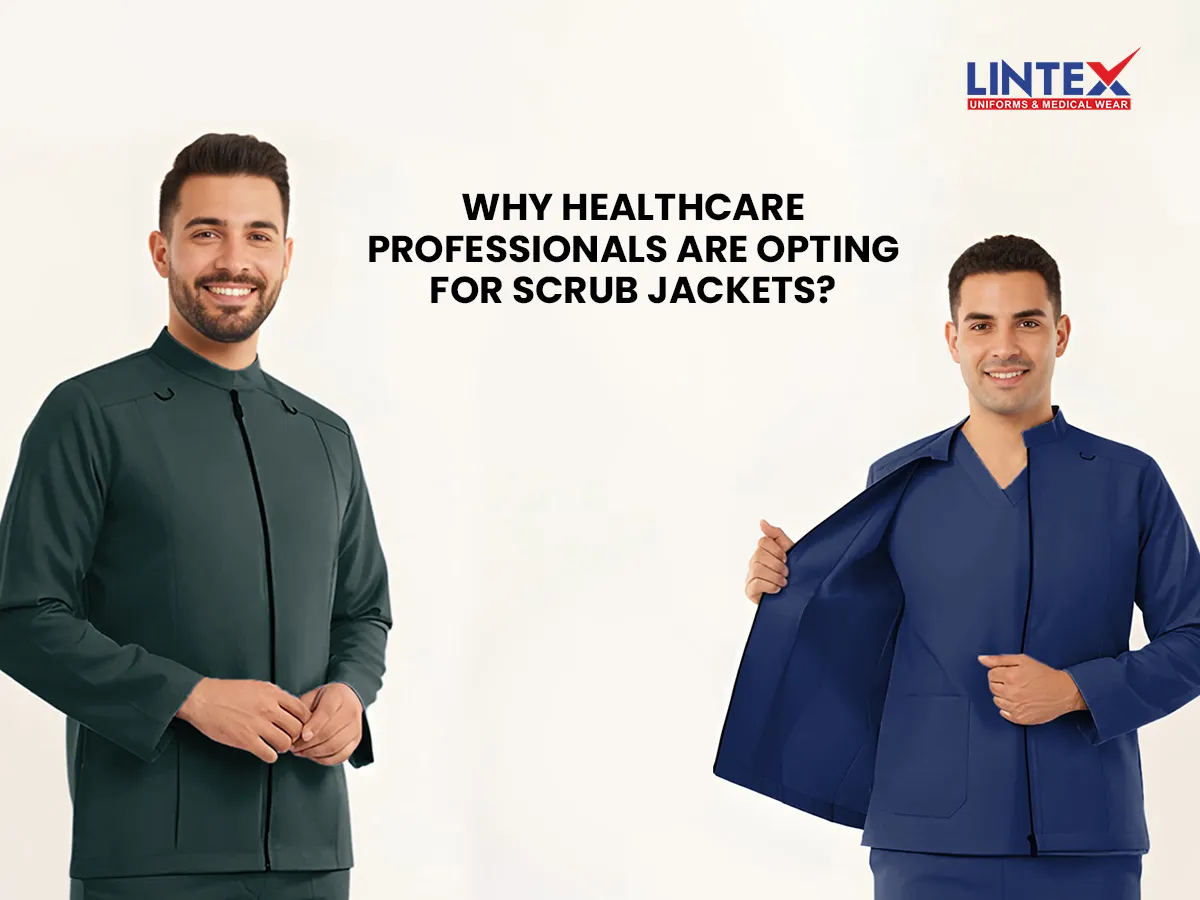
While the initial choice of layers focuses on immediate comfort and appearance, the long-term practicality often hinges on material durability and ease of care. Overlooking how different fabrics interact, both when worn and during laundering, can lead to premature wear, pilling, or even damage. This means layers might need replacing sooner than expected, adding an unbudgeted cost and creating a scramble for replacements, especially for specialized workwear.
Another common oversight is how layering affects mobility and safety. Too many bulky layers, or those with an ill fit, can restrict movement, snag on machinery, or create trip hazards, particularly in active roles. Beyond the wear itself, managing removed layers throughout the day presents its own challenge. A jacket or vest taken off in a warmer area needs a designated, clean place to be stored, otherwise it can become a nuisance, get misplaced, or pick up contaminants, adding a layer of daily frustration for staff.
Functional Accessories: More Than Just Style
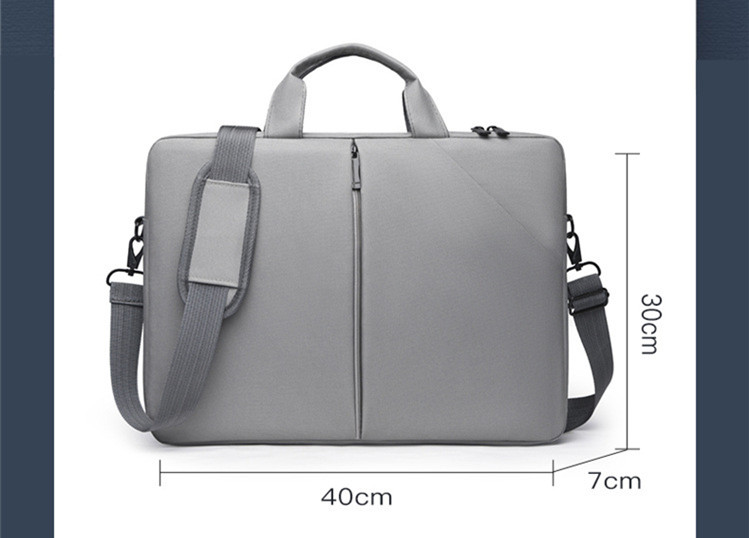
In a professional setting, accessories should serve a purpose beyond mere decoration. A sturdy, plain leather belt, for instance, keeps trousers in place and adds a polished touch. A reliable watch helps with time management, crucial in fast-paced environments. For those who carry tools or documents, a durable, professional-looking bag or utility belt can be indispensable. The focus here is on utility and how an item contributes to your efficiency or safety, while still aligning with a professional aesthetic. Avoid overly flashy or distracting items that could be a hazard or inappropriate for your specific workplace.
Maintaining Your Professional Look: Care and Longevity
The effort you put into selecting durable, well-fitting clothing can be undone without proper care. Establishing a consistent laundry routine is essential. Follow garment care labels closely to prevent shrinkage, fading, or damage. For uniforms, consider having a few sets to rotate, which extends the life of each item. Promptly addressing minor repairs, like a loose button or a small tear, can prevent bigger issues and save you from replacing items prematurely. This mindful approach to garment care not only preserves your professional image but also represents a practical financial decision, maximizing the value of your work wardrobe.

 knighttemplar


