Understanding the meaning behind what we wear at work goes beyond just following a dress code. Uniforms and professional attire are powerful tools. They communicate identity, purpose, and professionalism to colleagues and customers alike. Looking at historical examples, like the Knights Templar, can offer practical insights into how these visual cues function in today’s U.S. workplaces.
This article will explore how the principles behind historical uniform symbolism can help you make better decisions about workplace appearance, foster team unity, and ensure compliance in your daily job, whether you’re in healthcare, service, industrial, or an office environment.

The Power of a Unified Look: Beyond Just a Logo
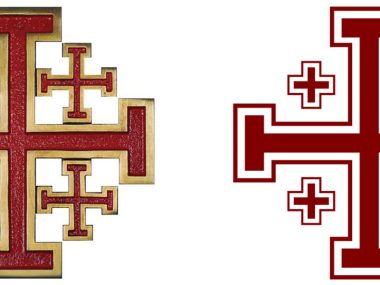
The Templar cross, simple yet distinct, served as an immediate identifier for a diverse group of individuals. It communicated a shared mission and belonging. In today’s workplace, your team’s uniform or professional dress code serves a similar purpose. It’s more than just a company logo on a shirt; it’s a visual statement of unity and shared purpose.
For a healthcare team, matching scrubs can signal a cohesive unit ready to provide care. For a service crew, consistent uniforms build trust and make employees easily identifiable. The practical trade-off often involves the cost of custom branding versus the tangible benefits of improved team morale, professional perception, and customer recognition. Overlooking this impact can lead to a fragmented team image.

Color Choices and Their Practical Impact
The Templars’ white robes with a red cross were not arbitrary. White symbolized purity, and red, sacrifice. These colors also offered practical visibility and distinction. In modern workplaces, color choices carry significant weight, often without us realizing it.
Consider how certain colors evoke trust or authority in an office setting, or how specific hues in healthcare environments might be chosen for their perceived cleanliness or calming effect. For industrial roles, high-visibility colors are a non-negotiable safety requirement. The “secret” here is that color isn’t just aesthetic; it impacts safety, perception, and even maintenance. Choosing colors based solely on personal preference, without considering their practical implications for branding, safety, or stain resistance, is a common oversight.
Functionality as a Symbol: Dress for the Job
Templar attire, from their armor to their robes, was designed with specific functions in mind: protection, mobility, and recognition. Their clothing was practical for their duties. Similarly, modern workplace uniforms are not just about appearance; they are about enabling performance and ensuring safety.
Scrubs are designed for hygiene and ease of movement. Corporate wear aims for a professional image while allowing comfort for desk work or client meetings. Industrial gear provides essential protection against hazards. The uniform itself symbolizes the wearer’s role and readiness. Practical decision-making involves balancing comfort, durability, and compliance with job-specific requirements. A uniform that looks good but hinders movement or lacks necessary protective features is a poor choice in the long run.

While the immediate cost of a uniform is easy to track, the hidden costs often surface later. A uniform that causes discomfort, even subtly, can lead to reduced focus and productivity throughout the workday. For example, ill-fitting safety shoes might not immediately cause injury, but over months, they can contribute to foot pain or posture issues, impacting an employee’s overall well-being and attendance. This isn’t just about individual comfort; it’s about sustained performance across the team.
Beyond comfort, the practical durability of a uniform often differs from its advertised specifications. Materials might not withstand repeated industrial laundering, leading to premature wear, fading, or pilling. This forces teams to either replace uniforms more frequently, incurring unexpected costs, or continue wearing visibly worn items, which can subtly undermine a professional image. Employees notice these details, and being provided with gear that doesn’t hold up can lead to frustration and a sense that their daily needs aren’t fully understood.
Maintaining Standards: The Message of Uniform Care
Historical accounts suggest the Templars maintained strict discipline, which likely extended to the care of their attire. A well-kept uniform communicated dedication and respect. In today’s work environment, the condition of a uniform sends a clear message about the individual and the organization.
A clean, pressed, and well-fitting uniform signals attention to detail and professionalism. Conversely, a stained, wrinkled, or ill-fitting uniform can undermine credibility, regardless of the wearer’s actual competence. The “secret” is that uniform care is an ongoing responsibility, not a one-time decision. Regular cleaning, timely repairs, and ensuring proper fit are practical steps that reinforce the uniform’s positive symbolism. Overlooking these details can subtly erode professional perception.

Beyond the Garment: The Wearer’s Role in Symbolism
Ultimately, the power of Templar symbolism was amplified by the conduct of the Knights themselves. Their actions gave meaning to their attire. In the modern workplace, the uniform is only one part of the professional image. The wearer’s behavior, attitude, and work ethic are equally, if not more, critical in defining what the uniform represents.
A team member who embodies professionalism, courtesy, and competence elevates the uniform’s message. Conversely, poor conduct can quickly diminish the positive symbolism of even the most well-designed uniform. The ultimate “secret” is that the uniform is a tool, and its effectiveness depends on the person using it. Practical implications include consistent training on professional conduct and fostering a workplace culture that supports the values the uniform is intended to represent.
 Templar Uniform Editorial