
The girdle of a knight: a legacy of honor and purpose
In the grand tapestry of knightly attire, few items are as fundamentally significant yet as frequently overlooked as the belt. To the modern eye, it is a simple accessory, a practical tool for holding up trousers or cinching a waist. But to the Knights Templar and their medieval contemporaries, the belt, or girdle, was a profound symbol. It was the line drawn between the secular and the sacred, the chaotic and the controlled. When a man was knighted, the act of girding him with his sword and belt was a pivotal moment, signifying his new status and the heavy responsibilities he was accepting.

This was not just any piece of leather. The knight’s belt, the cingulum militare, was an heir to the Roman military tradition, where it denoted a soldier’s rank and readiness. For the monastic warrior orders like the Templars, this symbolism was deepened with layers of spiritual meaning. The belt represented a commitment to chastity and a binding of worldly desires. It was a constant, physical reminder of the oaths sworn before God and the Order. To be ‘ungirded’ was to be disgraced, stripped of one’s honor and position.

The leather itself tells a story of strength and resilience. Crafted from the hides of animals, it was a material of the earth, yet it bound a man to a heavenly purpose. The symbols often tooled, stamped, or attached to these belts were a silent language of faith and identity. The iconic Cross Pattée, with its arms flaring at the ends, was a declaration of Christian fealty. Other motifs, like the Agnus Dei (the Lamb of God) or the two knights sharing a single horse, spoke to the core tenets of the Order: piety, poverty, and unwavering brotherhood. To wear such a belt was to carry the very essence of the Templar legend around your waist. It was a piece of functional art, a declaration of identity, and a tool of devotion all in one.
Forging your connection: how to choose a quality leather belt
Embarking on the journey to find your first Templar-inspired belt is an exciting step. It’s about more than just buying an accessory; it’s about choosing a piece that resonates with you and will stand the test of time. For a beginner, the world of leather can seem daunting, but understanding a few key elements will empower you to make a choice worthy of a knight.
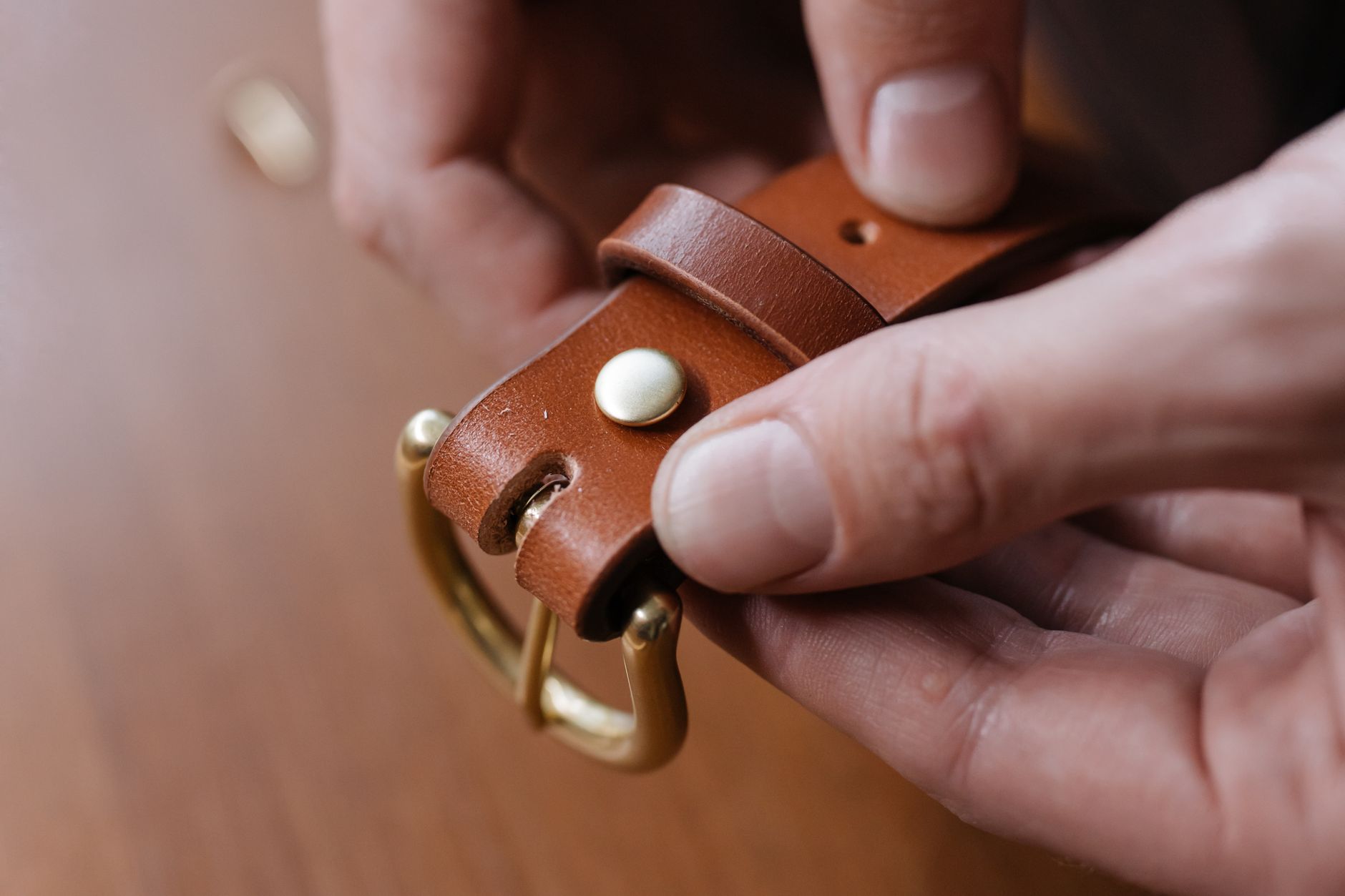
First and foremost, let’s talk about the leather itself. The quality of the material is paramount. You will often see terms like ‘full-grain’, ‘top-grain’, and ‘genuine leather’. For a durable, authentic, and beautiful belt, always seek out full-grain leather. This is the highest quality grade, taken from the top layer of the hide. It includes all the natural grain, with its inherent imperfections and unique markings. A full-grain leather belt won’t just last; it will develop a rich patina over time, a visual story of its journey with you. Top-grain is a good second choice, but ‘genuine leather’ is often a misleading term for lower-quality, processed leather that lacks durability.
Next, consider the construction. A solid, single piece of full-grain leather is the ideal. The width of the belt is also a crucial factor in its style and function. A wider belt (1.5 to 2 inches) offers a more martial, commanding presence, perfect for pairing with tunics or as a statement piece. A narrower belt (around 1 to 1.25 inches) provides a more subtle, contemporary look that integrates seamlessly with modern trousers or jeans.
The buckle is the centerpiece, the focal point of your belt. The material and design can drastically alter the belt’s character. Hand-forged iron or steel buckles offer a rustic, battle-ready feel. Polished brass or pewter buckles lend an air of nobility and refinement. Look for buckles that are solidly cast or forged, not cheaply plated. The style can range from a simple O-ring, common in medieval times, to an ornate square or rectangular buckle featuring Templar crosses or other chivalrous motifs. Choose a buckle that speaks to the aesthetic you wish to embody.
Finally, reflect on the symbolism. Do you want a belt with a prominent, repeating pattern of Templar crosses, or would you prefer a more discreet design with a single, meaningful emblem on the tip or near the buckle? There is no wrong answer. The right choice is the one that feels like a personal extension of your own values and appreciation for the legend. Measure your waist carefully over the clothes you intend to wear it with, and remember that a true chivalrous belt is an investment in a piece of wearable history.
Weaving the legend into modern life: styling your symbolic belt
Owning a Templar-inspired leather belt is one thing; incorporating it into your life with confidence and style is another. The beauty of these pieces is their versatility. They are not meant to be confined to historical re-enactments or costume parties. With a little creativity, a symbolic leather belt can become a powerful and distinctive part of your modern wardrobe.
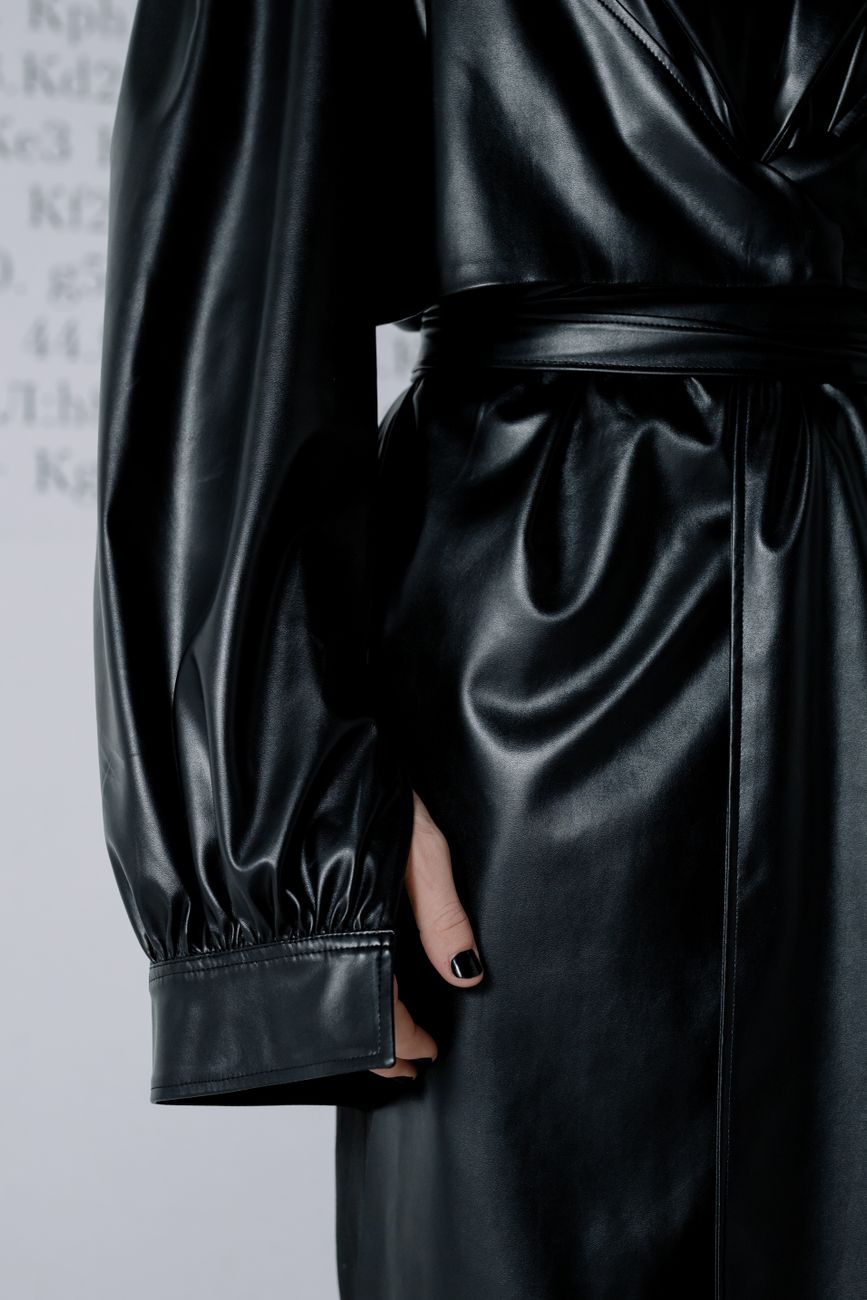
For a bold, declarative look, use a wider, more ornate belt as a statement piece. It can be worn at the natural waist over a long, flowing shirt, a simple tunic, or even a rugged sweater dress. This not only creates a flattering silhouette but also immediately draws the eye, making the belt the hero of the outfit. It’s a way of saying you are connected to history and are not afraid to show it. This style works particularly well with earthy tones and natural fabrics like linen, wool, and heavy cotton.
However, the path of chivalry can also be a quiet one. For a more subtle, everyday integration, choose a simpler, narrower belt. A well-crafted black or brown leather belt with a single, understated Templar cross on the keeper or buckle can be worn with a pair of dark denim jeans and a simple t-shirt or button-down shirt. In this context, the belt is not shouting for attention. Instead, it becomes a personal detail, a quiet nod to the values it represents. It’s a secret shared only with those who look closely, a personal reminder of strength and principle that you carry with you throughout your day.
Don’t be afraid to mix eras and styles. Pair your belt with other heritage-inspired accessories, but do so with intention. A leather belt, a simple silver ring, and a pair of sturdy boots can create a cohesive and grounded look without appearing like a costume. The key is balance. Let one piece, like your belt, be the main historical anchor, and allow your other modern clothes to complement it. In doing so, you are not just wearing an accessory; you are carrying a piece of a timeless legend into the present day.
The oath of care: preserving your leather for a lifetime
A quality full-grain leather belt is not a disposable item; it is a lifelong companion. Like the armor of a knight, it requires care and attention to maintain its strength and beauty. Neglecting your leather is to dishonor the craftsmanship and the natural material itself. Committing to a simple care routine will ensure your belt not only survives but thrives, developing a character that is uniquely yours over decades of use.
The first rule of leather care is to keep it clean and dry. If your belt gets wet, do not apply heat from a hairdryer or radiator, as this will cause the leather to crack and become brittle. Instead, let it air dry naturally at room temperature. For general cleaning, a slightly damp cloth is usually sufficient to wipe away dust and light dirt. For more thorough cleaning, a specialized leather cleaner is recommended. Always test any new product on a small, inconspicuous area first.
The most crucial aspect of long-term care is conditioning. Leather is a skin, and just like our own skin, it can dry out over time. Conditioning replenishes the natural oils within the leather, keeping it supple, strong, and resistant to cracking. Every six to twelve months, depending on your climate and how often you wear the belt, you should apply a quality leather conditioner or balm. Use a clean, soft cloth to work a small amount of the conditioner into the leather in a circular motion. Let it sit for a while to allow the leather to absorb the oils, and then gently buff off any excess with another clean cloth. This simple ritual will dramatically extend the life of your belt.
Finally, consider how you store it. Do not leave your belt crumpled in a drawer or exposed to direct sunlight for long periods. The best way to store a leather belt is to either hang it by its buckle or to loosely roll it up and place it in a drawer or on a shelf. This prevents creasing and helps it maintain its shape. By taking this oath of care, you are not just maintaining an object; you are preserving a legacy. Your belt will reward your efforts by becoming a true heirloom, a testament to the enduring power of quality materials and timeless symbolism.

 Templar Uniform Editorial


