Understanding historical symbols, like those associated with the Knights Templar, might seem far removed from daily work. However, these historical examples offer practical insights into how visual identity and shared values impact team cohesion and professional standards in today’s U.S. workplaces. Looking at how these symbols functioned can help us consider our own uniform choices and team branding.
This perspective isn’t about history for its own sake. It’s about recognizing timeless principles of clear communication, shared purpose, and professional presentation that remain relevant whether you’re in healthcare, service, industrial, or an office environment.

The Red Cross on White: Establishing Clear Visual Standards
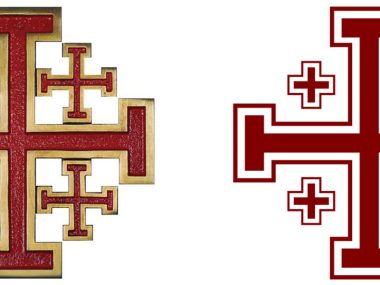
The Knights Templar were instantly recognizable by their red cross on a white mantle. This wasn’t just decoration; it was a clear, immediate identifier. In a busy or high-stakes environment, this visual standard communicated who they were and their allegiance.
For modern workplaces, this translates directly to the need for clear, consistent uniform standards. Whether it’s a specific color of scrubs in a hospital, a branded polo shirt for a service team, or safety gear in an industrial setting, a uniform’s primary role is often identification. A well-designed, consistent visual standard helps customers, clients, and colleagues quickly recognize roles and responsibilities, which can be critical for efficiency and safety.

The White Mantle: Projecting Professionalism and Trust
Beyond the cross, the Templar’s white mantle symbolized purity and commitment. This aspect of their attire projected a specific image and expectation. It wasn’t just about being seen; it was about conveying a certain level of professionalism and trustworthiness.
In today’s work environments, the condition and appearance of a uniform speak volumes. A clean, well-maintained uniform, regardless of its specific design, projects professionalism, attention to detail, and respect for the role. This is vital in healthcare for hygiene, in service for customer confidence, and in corporate settings for brand representation. Overlooking uniform maintenance can inadvertently undermine the professional image a team aims to project.

Shared Mission and Legacy: Fostering Team Cohesion
The symbols and uniform of the Knights Templar reinforced a powerful sense of shared mission and identity among their members. Wearing the same distinct attire meant they were part of something larger, committed to a common purpose. This shared visual identity contributed to their cohesion and discipline.
For U.S. workplaces, uniforms can play a similar role in building team cohesion. When everyone wears a consistent uniform, it can foster a sense of belonging and a unified front. This shared identity can improve morale, encourage teamwork, and present a coordinated image to the public. It moves beyond individual preference to a collective representation of the team’s purpose and values.

While the intent behind a uniform program is often to build cohesion, the practical implementation can introduce unexpected challenges. A uniform that is uncomfortable, ill-fitting, or not truly suited for the specific tasks employees perform can quickly become a source of daily frustration rather than unity. This disconnect between the ideal and the reality can lead employees to feel their individual needs are overlooked, subtly undermining morale.
Furthermore, the ongoing management of uniforms often receives less attention than the initial selection. Issues like inconsistent sizing, slow replacement of worn items, or unclear cleaning policies can create friction within a team. When employees perceive their uniform as a burden—either financially or logistically—it can inadvertently signal a lack of value placed on their comfort and professional appearance. This can erode the very sense of shared purpose and respect the uniform was meant to foster, turning a symbol of unity into a point of contention over time.
Practicality in Design: Durability and Recognition for Daily Use
While the Templar’s attire had symbolic weight, it also had to be practical for their daily realities. Their symbols were simple, effective for recognition, and part of garments designed for function. This balance between symbolism and practicality is a constant consideration.
When selecting uniforms today, practical considerations are paramount. Durability, ease of cleaning, comfort for long shifts, and clear, simple branding are not just preferences; they are necessities. A uniform that is difficult to maintain, uncomfortable, or easily damaged will not serve its purpose effectively, regardless of its symbolic meaning. The most effective uniform designs balance the need for clear identity with the realities of daily wear and tear in diverse work environments.

 Templar Uniform Editorial