
The power of the pen: understanding key Templar documents
When we envision the Knights Templar, our minds often conjure images of stoic warriors in white mantles, their hands clasped around the hilts of their swords. We think of the Crusades, of battles fought in the Holy Land, and of the unwavering faith that defined the Order. While the sword was indeed a crucial tool, the true foundation of the Templars’ immense power and influence across Christendom was built not on steel, but on parchment and ink. The decrees, charters, and papal bulls they possessed were their most formidable weapons, granting them unparalleled wealth, autonomy, and authority.
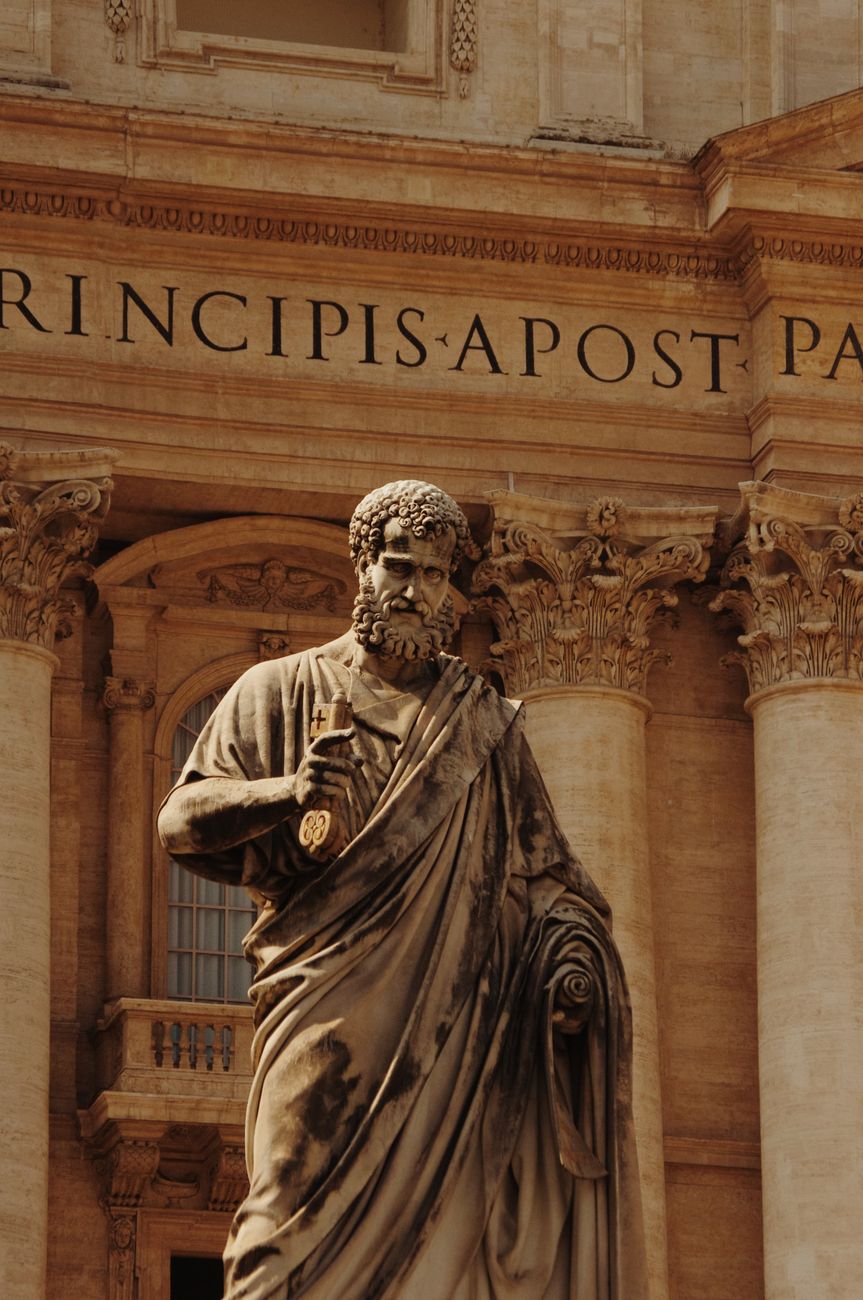
To truly appreciate these documents as pieces of history worthy of display, we must first understand their significance. These were not mere administrative papers; they were the legal and spiritual pillars of the most powerful military order of the Middle Ages. For the modern enthusiast, owning a high-quality reproduction of one of these charters is like holding a key to the Templar legacy, a tangible link to their meteoric rise and tragic fall.

Among the most significant of these documents is the papal bull Omne Datum Optimum, issued by Pope Innocent II in 1139. This single piece of parchment fundamentally transformed the Knights Templar. It placed the Order under the direct protection and authority of the Pope alone, freeing them from the control of local bishops, kings, and feudal lords. It granted them the right to keep all spoils of war, to build their own chapels, and, crucially, made them exempt from paying tithes. In essence, Omne Datum Optimum created a multinational corporation with its own laws, loyal only to the Papacy. A framed reproduction of this bull isn’t just a piece of Latin text; it’s a declaration of independence that echoed across Europe and the Holy Land.
Another document, shrouded in mystery and controversy, is the Chinon Parchment. Dated August 17-20, 1308, it contains the records of an investigation into the accusations of heresy leveled against the leaders of the Order, including the Grand Master Jacques de Molay. For centuries, the narrative held that the Pope condemned the Templars. However, the rediscovery of this parchment in the Vatican Secret Archives in 2001 revealed a different story. It shows that Pope Clement V, after the knights’ confessions under torture, actually granted them absolution and declared the Order to be free of heresy. This document is a testament to the immense political pressure exerted by King Philip IV of France, who ultimately forced the Pope’s hand. Displaying a replica of the Chinon Parchment is a nod to this complex and tragic chapter, a reminder that history is often far more nuanced than the popular stories suggest.
Beyond these famous papal decrees, the Templars’ power was cemented through countless royal charters and land grants. Nobles seeking spiritual favor or financial assistance would grant vast tracts of land, farms, and mills to the Order. These charters, bearing the wax seals of Europe’s most powerful families, meticulously detail the transactions that built the Templar’s economic empire. Each one tells a story of local politics, faith, and finance, illustrating how the Order wove itself into the very fabric of medieval society. A reproduction of a land grant charter serves as a powerful symbol of the Templars’ logistical and financial genius, the engine that funded their military campaigns and charitable works.
From archive to art: the craft of a quality reproduction
In our exploration of exquisite Templar finds, authenticity and craftsmanship are paramount. Just as we might scrutinize the stitching on a replica mantle or the tempering of a sword, the quality of a reproduced historical document deserves equal attention. A simple print on modern paper can never capture the gravitas and soul of the original. A true artisan reproduction, however, transforms a historical record into a piece of art that commands respect and sparks curiosity.
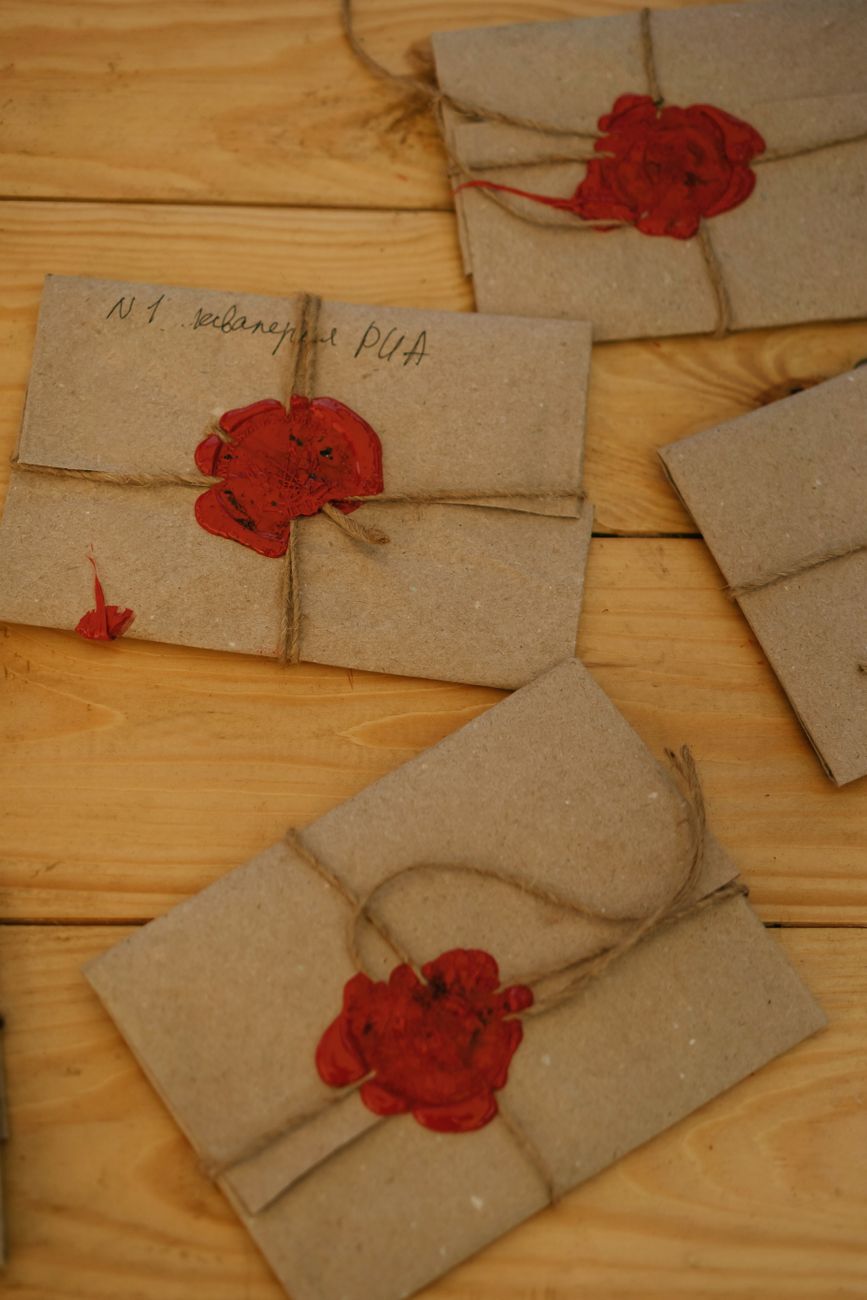
The journey from a digital scan in an archive to a stunning wall piece begins with the medium itself. The finest reproductions are not printed on paper but on materials that mimic the look and feel of historical parchment or vellum. This specialized paper often has a weight, texture, and subtle color variation that immediately feels more substantial and authentic. Some artisans even incorporate subtle imperfections, such as faint stains or creases, to replicate the centuries of history the original document has endured. This attention to detail ensures the reproduction feels less like a copy and more like an artifact discovered in a forgotten chest.
Next is the art of the script itself. The text on these documents was not typed; it was painstakingly written by scribes in the flowing calligraphy of the period. A quality reproduction will faithfully replicate the specific style of medieval Latin script, capturing the elegant flourishes and unique character of each letter. The legibility is preserved, allowing you to trace the words with your finger and imagine the scribe who first put quill to parchment nine centuries ago. This is where the document truly comes alive, bridging the gap between our time and theirs.
Perhaps the most striking feature of any official medieval charter is the seal. Wax seals were the definitive mark of authenticity, the medieval equivalent of a notarized signature. A high-quality reproduction must feature a meticulously crafted replica of the original seal. Whether it’s the leaden bulla of a Pope, the intricate sigil of a king, or the Order’s own famous seal of two knights on a single horse, the replica should be made from a durable compound that resembles beeswax, capturing every fine detail of the impression. Attached with a cord or ribbon of appropriate color and material, the seal adds a third dimension to the piece, making it a tactile as well as a visual experience. It is this final, crucial element that elevates a print into a true historical representation.
A decree of style: incorporating Templar charters into your decor
Owning a beautifully crafted reproduction of a Templar charter is one thing; displaying it in a way that honors its historical weight and aesthetic appeal is another. These are not posters to be tacked to a wall. They are sophisticated pieces of history that, when framed and placed thoughtfully, can transform a space and serve as a profound statement piece. How you choose to display them can tailor their impact to suit your personal style, from a dedicated historical sanctuary to a subtle, intellectual accent.

For the dedicated historian or enthusiast, the most natural home for a framed Templar decree is in a study, home library, or office. Imagine a reproduction of Omne Datum Optimum hanging above a dark oak desk, flanked by bookshelves filled with historical tomes. The atmosphere is immediately one of gravitas, intellect, and contemplation. Paired with other curated items like an antique globe, a brass astrolabe, or a leather-bound journal, the charter becomes the room’s anchor. It’s a source of inspiration, a constant reminder of strategic thinking, unwavering purpose, and the power of a well-penned document. Choosing a heavy, ornate wooden frame or a dark frame with a gold fillet can enhance this traditional, scholarly aesthetic.
Alternatively, these pieces can become the centerpiece of a more overtly themed room. For those who collect replica swords, helmets, and other Templar accoutrements, a collection of framed charters can provide the perfect narrative backdrop. You could create a gallery wall featuring a land grant, a papal bull, and perhaps a copy of the Templar Rule. This arrangement tells a more complete story of the Order—not just the warrior, but the banker, the diplomat, and the monk. In this context, simpler, uniform black frames might work best, allowing the documents themselves, with their varied scripts and seals, to be the main focus.
However, you don’t need a dedicated historical room to enjoy these pieces. A single, elegantly framed charter can be a powerful and understated addition to a modern living room or hallway. Placed strategically, it becomes an intriguing conversation starter. Guests will inevitably be drawn to the intricate calligraphy and the prominent wax seal, asking about its origin and meaning. This allows you to share your passion for Templar history in a natural, engaging way. In a more contemporary setting, a minimalist frame with a wide, high-quality mat can create a striking contrast, presenting the ancient document as a piece of timeless graphic art. This approach proves that historical decor can be both sophisticated and perfectly integrated into a modern home, a subtle nod to a legendary past that enriches the present.

 Templar Uniform Editorial


