In any professional environment, visual cues play a significant role in how teams are perceived and how work gets done. From a healthcare setting to an industrial site or a corporate office, what you wear and the emblems displayed on it communicate purpose and professionalism. Understanding the practical impact of these symbols helps ensure your team presents a unified, compliant, and effective image daily.
This isn’t about ancient history, but about applying timeless principles of visual identity to your current workplace. We’ll look at how clear, consistent symbols contribute to team cohesion and professional standards, drawing parallels to how historical groups used them for practical identification and communication.

Defining Your Team’s Visual Identity
A clear logo or uniform emblem acts as a practical identifier for your team. In a busy hospital, a service call, or a factory floor, immediate recognition is key. This visual identity builds client trust and helps internal recognition among colleagues. When choosing or refining your team’s emblem, consider the trade-offs: a complex design might look unique, but a simpler one is often easier to recognize quickly and reproduce consistently across various uniform items.
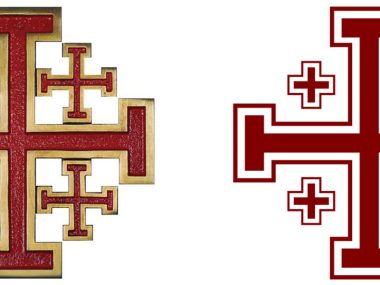
Historically, groups like the Knights Templar used a simple, clear cross for immediate recognition, whether on a battlefield or in public. Modern teams use logos and specific uniform colors for similar immediate identification, ensuring everyone knows who is part of the team and what their role might be.
The Practical Impact of Uniform Emblems
Emblems on uniforms—be they patches, pins, or badges—do more than just decorate. They communicate roles, certifications, or specific team affiliations. For instance, a particular patch might signify a certified technician, while a different color badge could denote a supervisor. These visual cues affect daily interactions, help streamline safety protocols, and shape client perception.
A common mistake is inconsistent emblem use across a team. If some members wear one type of badge and others another, it can lead to confusion about roles or authority. Ensuring everyone adheres to a clear standard for emblems is crucial for maintaining order and clarity in the workplace. Just as specific colors or symbols on medieval attire often denoted rank or allegiance, modern emblems provide clear visual cues in complex work environments.
Communicating Professional Standards Through Symbols
The overall design of a uniform, including the placement and style of its emblems, reinforces professional standards. A well-placed, clear symbol contributes to an overall polished and competent appearance. This isn’t just about aesthetics; it’s about projecting capability and reliability.

When making decisions about uniform emblems, consider durability. Emblems must withstand daily wear and tear, repeated washing, and the demands of the job without fading or deteriorating. Choosing high-quality materials for emblems ensures they continue to present a professional image over time. The quality and consistency of historical uniforms, including their symbols, often reflected the discipline and standards of the group they represented.
However, the practical reality of emblem quality extends beyond simple fading. Poorly secured or low-grade emblems can peel, fray at the edges, or crack over time. This isn’t just an aesthetic problem; it creates a tangible workload for supervisors who must track and manage replacements. For employees, constantly dealing with a uniform that appears to be falling apart can be a source of daily frustration, subtly eroding morale and their perception of the organization’s commitment to their professional presentation.
Another common oversight is the consistent application of emblems across various uniform pieces. An emblem designed for a standard polo shirt might not translate effectively to a jacket, scrub top, or safety vest. Differences in fabric, cut, and intended use mean that a ‘one-size-fits-all’ approach to emblem placement or sizing often results in an awkward or less professional appearance on some items. This lack of standardization can inadvertently undermine the unified image the emblems are meant to create.
These seemingly minor details accumulate. When emblems are inconsistent in quality or placement, it can subtly impact internal team dynamics. Employees might feel less like a cohesive unit if their uniforms don’t present a unified front. Externally, this inconsistency can project an image of disorganization or a lack of attention to detail, which can affect how clients, patients, or the public perceive the team’s overall competence and reliability. The initial cost savings of a cheaper emblem or a less thoughtful application process can quickly be offset by these downstream effects on morale and reputation.
Avoiding Misinterpretation: The ‘Secrets’ of Clear Symbolism
Every workplace has its unspoken rules and common understandings. When it comes to symbols, these can become
 Templar Uniform Editorial