In any U.S. workplace, from hospital floors to factory lines, uniforms serve a clear purpose beyond just looking professional. They streamline operations, ensure safety, and build a cohesive team environment. Understanding the foundational principles behind effective uniforms helps supervisors and workers make better daily decisions about their attire.
This isn’t about historical dates or specific battles. It’s about recognizing how the core ideas that made uniforms effective in the past still apply to the practical realities of today’s jobs. We’ll look at how these enduring concepts impact your daily work life.

Establishing Clear Roles and Identity on the Job
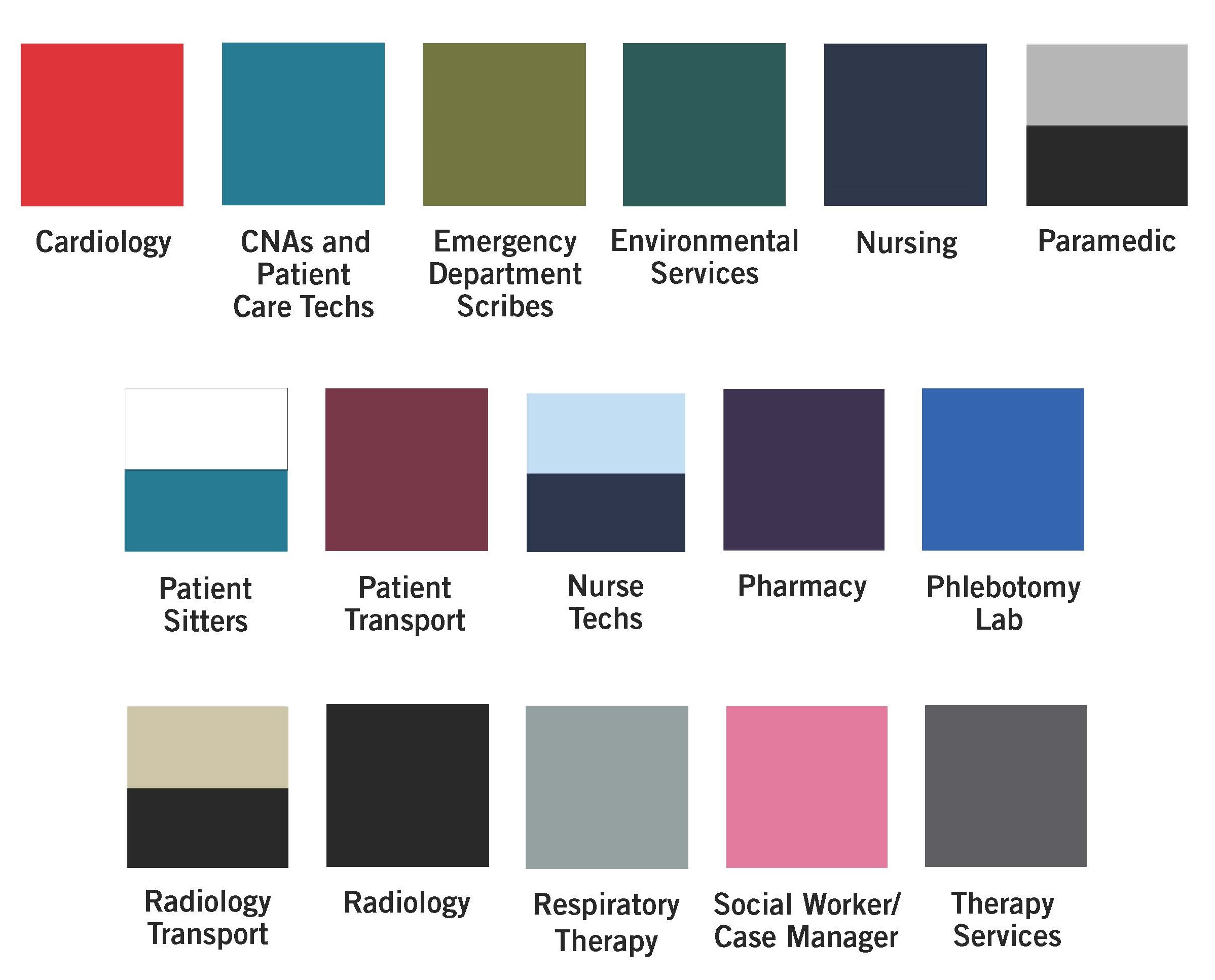
One primary function of a uniform is immediate identification. In fast-paced environments like a hospital emergency room or a busy manufacturing plant, knowing who is who at a glance is critical. A distinct uniform color or specific insignia can quickly differentiate a registered nurse from a medical assistant, or a team lead from a new hire.
This clarity reduces confusion, improves communication, and can be vital in emergency situations. When everyone’s role is visually clear, teams operate more efficiently. It also helps customers or clients easily identify who to approach for assistance, improving service delivery.
Fostering Team Cohesion and Professional Discipline
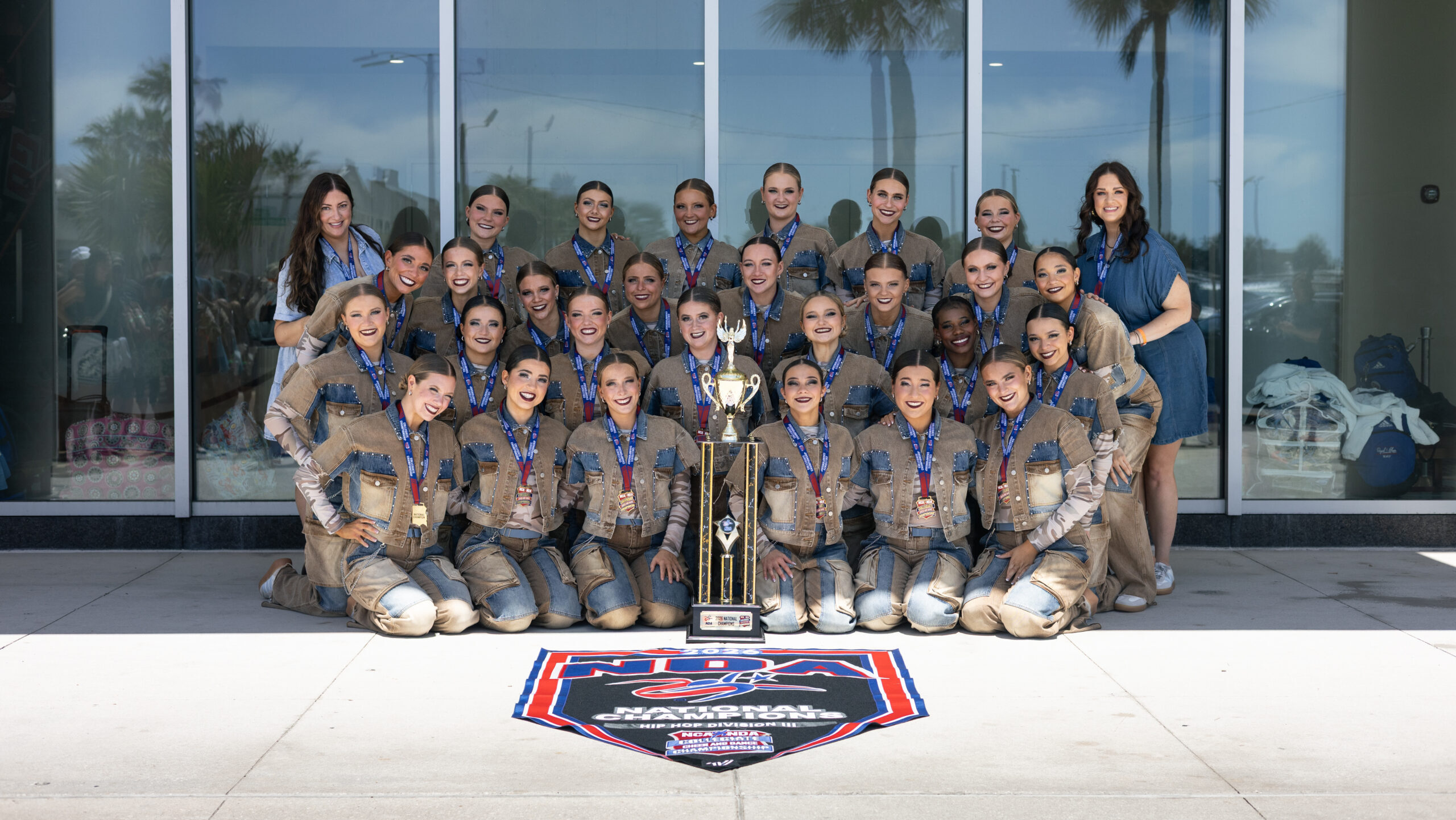
Uniforms contribute significantly to a sense of unity among staff. When everyone wears the same professional attire, it reinforces the idea of a shared purpose and a collective identity. This can boost morale and encourage teamwork, as individual differences in personal style are set aside for a common professional appearance.
Beyond unity, uniforms also instill a level of professional discipline. They set an expectation for conduct and appearance. This consistent presentation reflects positively on the organization and its employees, signaling reliability and attention to detail to clients and the public. It’s a practical tool for maintaining a high standard of professionalism across the board.
The Practical Demands: Durability, Comfort, and Compliance
While the principles of identity and unity are important, a uniform must first and foremost be practical for the job. This means considering durability for industrial settings, comfort for long shifts in healthcare, and ease of maintenance for all environments. Choosing the right fabric and construction involves trade-offs between cost, longevity, and employee well-being.
Compliance with safety and health regulations is non-negotiable. For instance, uniforms in certain industrial roles must meet specific flame-resistant or high-visibility standards. In healthcare, materials need to withstand frequent washing and resist contamination. Overlooking these practical demands can lead to safety hazards, discomfort, and increased replacement costs.

Beyond the immediate impact on an individual’s comfort, uniform choices can have a ripple effect on daily operations. A uniform that consistently binds, chafes, or restricts movement doesn’t just cause momentary irritation; it can contribute to fatigue over a long shift. This subtle, ongoing discomfort can detract from focus and, over time, impact overall productivity and job satisfaction. It’s a hidden cost that doesn’t show up on a direct expense report.
Another area often underestimated is the long-term performance under real-world maintenance. A uniform might meet all initial specifications for durability or compliance, but how it holds up after dozens of industrial washes or repeated exposure to specific workplace conditions is key. For example, flame-resistant properties can degrade, or high-visibility colors can fade significantly, rendering the uniform non-compliant without an obvious tear or defect. This requires regular inspection and a clear replacement schedule, which adds a layer of logistical complexity and cost beyond the initial purchase price.
Decision-makers often face pressure to balance upfront costs with these longer-term considerations. Opting for a less expensive uniform might seem like a budget win initially. However, if that choice leads to more frequent replacements due to poor durability, increased employee complaints about comfort, or even minor safety incidents from inadequate protection, the true total cost of ownership quickly escalates. These are the trade-offs that play out daily, moving beyond a simple price tag to impact team morale and operational efficiency.
Adapting Uniforms for Modern Work Environments
The core principles of uniforms remain constant, but their application evolves. Today’s workplaces demand uniforms that are not only functional but also adaptable to changing roles and technologies. This might mean incorporating stretch fabrics for greater mobility, integrating pockets for modern devices, or offering different fits to accommodate diverse body types.
Gathering feedback from employees who wear the uniforms daily is crucial. What works on paper might not work in practice. Balancing the need for a consistent professional image with practical comfort and modern functionality ensures that uniforms remain effective tools, rather than becoming a source of frustration. The goal is to leverage the enduring benefits of uniforms while meeting the realities of current job demands.

 Templar Uniform Editorial