
Selecting the right uniform design is a practical decision that affects daily operations, employee comfort, and how a team is perceived. For U.S. professionals across various sectors, thoughtful design choices directly impact job performance and workplace safety. This article explores key considerations for choosing uniform designs that truly function in real work environments, focusing on what matters most for your team.
Balancing Durability and Comfort in Daily Wear
Uniforms need to withstand the demands of a workday while keeping staff comfortable. In industrial settings, fabrics must be tough enough to resist wear and tear. Healthcare roles often require materials that are breathable and allow for a full range of motion. Office environments might prioritize wrinkle resistance and a polished look.

There is often a trade-off: highly durable materials can sometimes feel less soft, and vice-versa. Modern fabric blends can offer a good compromise. The key is to match the material properties to the specific job demands. Overlooking either durability or comfort can lead to frequent replacements or decreased employee satisfaction.
Meeting Job-Specific Compliance and Safety Standards
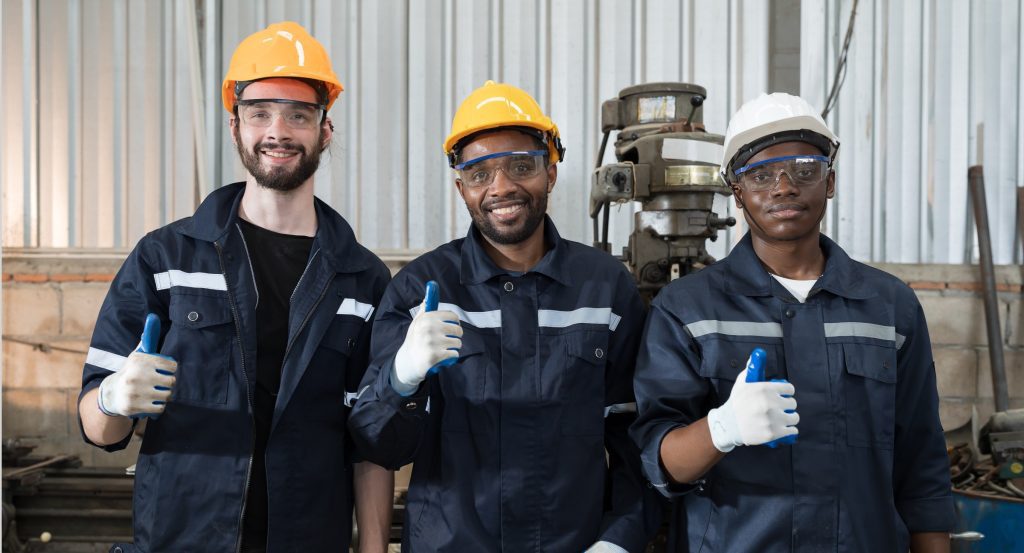
Uniform designs must comply with relevant industry regulations and safety standards. For example, healthcare uniforms often need to meet requirements for fluid resistance and ease of cleaning to maintain hygiene. Industrial workwear frequently requires high-visibility elements or flame-resistant properties, depending on the job site.
In food service, uniforms must support strict hygiene protocols, sometimes including specific hair restraints or non-slip footwear. Office attire generally focuses on professional appearance, though some roles might have specific dress codes for client-facing interactions. Always confirm that uniform materials and designs meet all necessary certifications for your industry.

Projecting a Unified and Professional Team Image
A well-designed uniform collection helps create a cohesive and professional team appearance. Consistent branding, color schemes, and fit options ensure that staff are easily identifiable and present a unified front to customers or clients. This consistency can also foster a stronger sense of team identity among employees.
While uniformity is important, designs should not be overly restrictive. Offering slight variations, such as a choice between a polo shirt and a button-down, can accommodate different preferences while maintaining a consistent brand image. The goal is a professional look that still allows for individual comfort and practicality.
However, the initial purchase price of a uniform collection often overshadows its long-term cost. Cheaper materials or construction can lead to rapid wear and tear, necessitating more frequent replacements. This not only inflates the overall budget over time but also creates an inconsistent appearance within the team as some staff wear newer items while others are in visibly worn uniforms. The administrative burden of constant reordering and managing inventory for replacements is also easy to underestimate.
Beyond durability, practical considerations like ease of care, suitability for specific job tasks, and adaptability to different working conditions are frequently overlooked during the selection process. A uniform that looks professional on paper might prove highly impractical for someone performing physically demanding work, or one that requires specialized cleaning can add significant cost and inconvenience for employees. This disconnect between design and daily reality can lead to frustration among staff, sometimes resulting in unauthorized modifications or non-compliance, which ultimately undermines the desired unified image.
When employees feel their comfort and practical needs are not considered in uniform design, it can subtly impact morale and their sense of value within the organization. This isn’t just about a piece of clothing; it’s about how the company supports their ability to do their job effectively and comfortably. Over time, such overlooked details can contribute to a decline in team cohesion and even influence retention, especially in roles where physical comfort and functionality are critical to job satisfaction.
Cost-Effective Design Choices for Long-Term Value
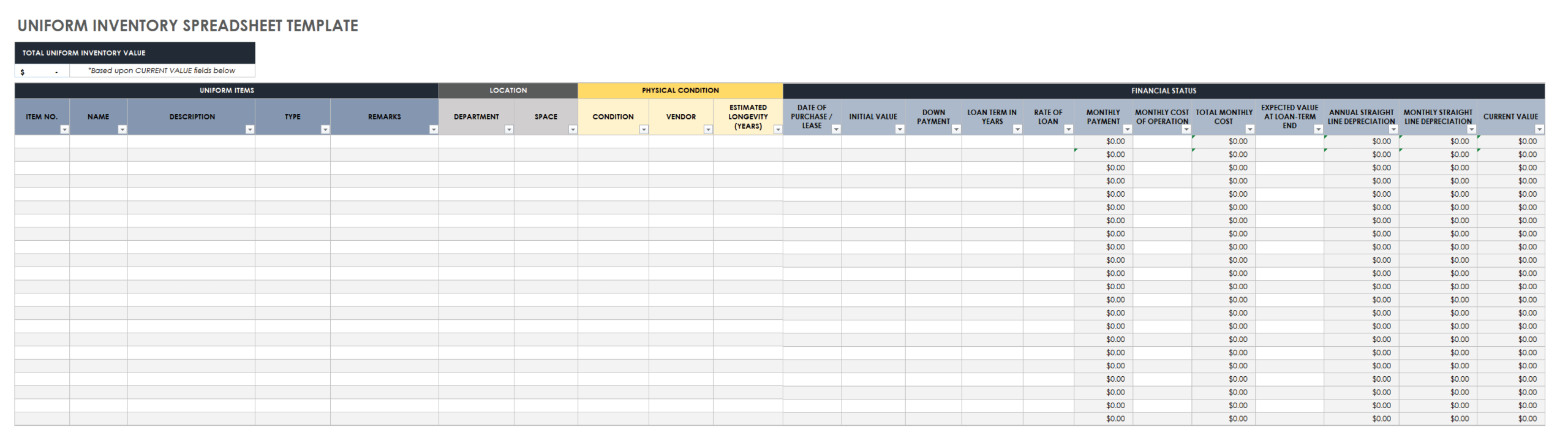
Budget constraints are a reality for most workplaces. However, focusing solely on the lowest upfront cost for uniforms can be a mistake. A more expensive, durable uniform might offer better long-term value by reducing the frequency of replacements. Consider the total cost of ownership, which includes initial purchase price, expected lifespan, and maintenance requirements.
For instance, uniforms that are machine washable might be more cost-effective over time than those requiring specialized dry cleaning. Exploring bulk ordering discounts can also help manage costs. Making informed decisions about material quality and construction can lead to significant savings in the long run.
Practical Sizing and Fit Options for Diverse Workforces
A uniform collection must accommodate a diverse range of body types within the workforce. Offering a wide array of sizes, including options for tall, petite, and gender-neutral fits, is crucial. Proper fit is not just about appearance; it directly impacts employee comfort, safety (by reducing snag hazards), and the ability to perform job tasks effectively.
Limited sizing options can lead to ill-fitting uniforms, which can negatively affect employee morale and overall team presentation. Investing in a comprehensive sizing program ensures that every team member can wear their uniform comfortably and professionally, supporting both individual well-being and a consistent team image.
Adapting Designs for Different Climates and Work Environments
Workplaces often experience varied conditions, from indoor to outdoor, or across different seasons. A single uniform design may not be suitable for all scenarios. Consider layering options, such as vests or jackets, that can be added or removed as temperatures change. For hot environments, vented fabrics or moisture-wicking materials can significantly improve comfort.
Outdoor roles might require water-resistant or insulated uniform components. While managing inventory for multiple uniform types adds complexity, providing appropriate attire for specific conditions is essential for employee comfort, safety, and productivity. This practical approach ensures staff are equipped for their specific daily realities.

 Templar Uniform Editorial


