
In our modern world of digital screens and fleeting images, there is a profound and growing desire for the tangible, the timeless, and the meaningful. We seek to craft spaces within our own homes that are more than just functional; we yearn for corners of quiet reflection, personal sanctuaries that connect us to history, ideals, and a deeper sense of self. For the admirer of chivalric lore and the student of the Poor Fellow-Soldiers of Christ and of the Temple of Solomon, few objects can transform a room as powerfully as a well-chosen tapestry. More than mere decoration, a Knights Templar tapestry is a woven chronicle, a symbolic anchor, and the heart of a modern home shrine dedicated to contemplation and heritage.
The concept of a ‘home shrine’ need not be tied to a specific dogma. It is, at its core, a space consecrated by personal intention. It’s a place to disconnect from the chaos of daily life and reconnect with the virtues of courage, faith, and fraternity that the Templar Order, at its best, represented. It’s where you might read, meditate, or simply sit in quiet contemplation, surrounded by symbols that speak to your spirit. In this guide, we will delve into the art of selecting the perfect Templar tapestry, understanding its historical roots, deciphering its powerful imagery, and finally, curating a space that brings the legend to life in every stitch.

Weaving history: the role of tapestries in the medieval world
To truly appreciate the significance of hanging a Templar tapestry in your home, we must first travel back in time. In the medieval era, particularly during the height of the Crusades, tapestries were not simply decorative items; they were symbols of immense wealth, status, and practicality. Woven with wool, silk, and sometimes even silver and gold threads, these monumental works of art were often more valuable than paintings. They served a crucial, multifaceted role in the cold, cavernous interiors of castles and commanderies.
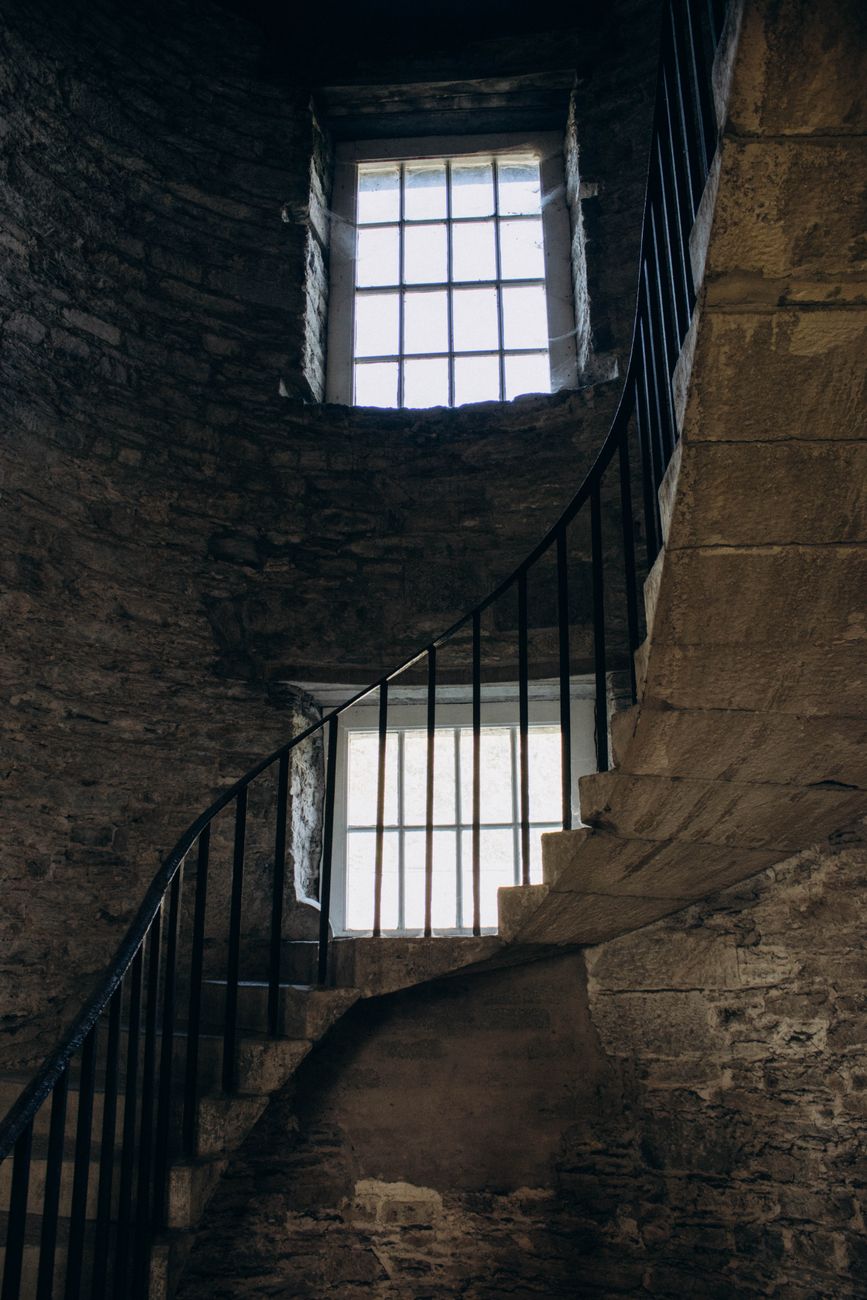
Their primary function was insulation. The stone walls of a medieval fortress, while formidable, offered little protection from the damp and biting cold. A large tapestry hung against a wall would trap a layer of air, providing a surprisingly effective thermal barrier that made a room more habitable. They also helped to dampen sound, reducing the echoing clamor common in stone structures and creating a more intimate, hushed atmosphere conducive to prayer or strategic planning. For a monastic and military order like the Knights Templar, whose preceptories were both fortresses and places of worship, this functional aspect would have been invaluable.
Beyond their practical use, tapestries were the narrative media of their day. In an age where literacy was a privilege reserved for the clergy and nobility, these woven pictures told stories that everyone could understand. They depicted biblical scenes, epic poems, historical battles, and the coats of arms of noble families. They were a visual library, reinforcing cultural values, religious beliefs, and historical memory. Imagine a young squire or a visiting knight entering a Templar hall and seeing a grand tapestry depicting the Siege of Acre or a representation of the Temple of Solomon. It would serve as a powerful tool for instruction, inspiration, and reinforcing the Order’s identity and divine mission.
While no definitive tapestries belonging to the original Knights Templar have survived the centuries of turmoil and their eventual suppression, it is inconceivable that an order of such wealth and influence would not have utilized them. Operating across Europe and the Holy Land, their commanderies would have been furnished with textiles that reflected both their piety and their power. These likely would have featured bold, simple iconography in line with their Cistercian-influenced aesthetic: the iconic red cross on a white mantle, scenes from the lives of warrior saints, or perhaps allegorical representations of their famous motto, “Non Nobis Domine, Non Nobis, Sed Nomini Tuo Da Gloriam” (Not to us, Lord, not to us, but to your name give the glory).
When you choose a tapestry today, you are participating in this long and noble tradition. You are selecting a piece that brings not only visual warmth but also historical weight and narrative depth to your personal space, echoing the function these textiles served for centuries in the very halls the Templars once walked.
Deciphering the threads: key symbols for your Templar tapestry
The power of a Templar tapestry lies in its symbolism. Each image, each sigil, is a key that unlocks a deeper understanding of the Order’s beliefs, structure, and history. Selecting a tapestry is therefore a deeply personal choice, dependent on which aspects of the Templar legacy resonate most with you. Modern artists and weavers have created a vast array of designs, from historically inspired replicas to more contemporary artistic interpretations. Understanding the core iconography will empower you to choose a piece that is not only beautiful but also rich with meaning.

The most ubiquitous symbol is, of course, the Templar Cross. Typically depicted as a red Cross Pattée (a cross with arms that are narrow at the center and flare out at the ends) on a white field, this was the emblem granted to the Order by Pope Eugenius III. The red was said to symbolize the blood of martyrdom, a constant reminder that a Templar was willing to lay down his life for his faith. The white field of their mantles represented the purity and chastity required of the warrior monks. A tapestry featuring a prominent cross is a direct and powerful statement of faith, sacrifice, and commitment to a higher cause.
Another profoundly significant image is the Seal of the Knights Templar, featuring two knights sharing a single horse. This famous sigil has been subject to many interpretations, but its primary meaning points to the Order’s founding vows of poverty and fraternity. It was a visual declaration that despite the Order’s eventual wealth, its members were sworn to personal poverty, owning no property of their own. It also speaks to the powerful bond of brotherhood, the idea that knights would support each other in all things, sharing their resources and their fate. A tapestry with this seal at its center emphasizes the virtues of humility, unity, and mutual support.
Beyond these two primary symbols, many other elements populate Templar-themed art:
- The Agnus Dei (Lamb of God): A lamb holding a banner, often the Templar cross, symbolizing Jesus Christ as the sacrificial lamb. This was a common Christian symbol that the Templars adopted for one of their seals, highlighting their devotion to Christ.
- The Baucent (or Beauseant): The Templars’ black-and-white battle standard. The black section was said to signify the darkness and sin of the world, while the white represented the purity of the Templar cause. It was famously described as being “fair and terrible to its enemies.”
- Gryphons, Lions, and Eagles: These noble beasts, common in medieval heraldry, were often used to represent courage, strength, and divine vigilance. Their inclusion in a design adds a layer of classic chivalric and martial symbolism.
- The Motto: Tapestries that incorporate the text “Non Nobis Domine…” serve as a constant, humbling reminder of the Order’s foundational principle: that all glory belongs to God alone.
When selecting your tapestry, consider the narrative you wish to create in your space. Do you wish to focus on the martial prowess and courage of the knights? Look for scenes of battle or prominent warrior figures. Is it the spiritual, monastic aspect that draws you in? A piece centered on the Agnus Dei or the motto might be more appropriate. Do you value the bond of brotherhood above all? The seal of the two knights will speak directly to that ideal. Let your personal connection to the Templar story guide your hand.
Consecrating your space: curating the home shrine
Once you have chosen a tapestry that speaks to you, the final step is to integrate it into your home, transforming a simple corner into a consecrated space for reflection. The act of curating this shrine is as important as the objects within it. It is an exercise in mindfulness and intention, where you consciously design an environment to foster a particular state of mind.

Placement is paramount. Your tapestry is the centerpiece, the focal point around which all other elements will be arranged. Choose a wall in a low-traffic area of your home, such as a study, a library, a quiet bedroom corner, or a dedicated meditation room. Avoid hanging it in direct, prolonged sunlight, as UV rays can cause the vibrant colors to fade over time. The tapestry should command the space without overwhelming it. Consider the height at which you hang it; the center of the piece should ideally be at eye level when you are seated, drawing you into its world.
With the tapestry as your backdrop, you can begin to add complementary elements to build your shrine. This is not about creating a cluttered display, but about selecting a few meaningful items that enhance the atmosphere of contemplation. Consider a small, sturdy table or a wooden chest to serve as an altar. On this surface, you might place:
- Candles: The soft, flickering light of a candle is universally conducive to a meditative state. It creates a warm, sacred ambiance and can be used to mark the beginning and end of a period of reflection.
- Books: A few carefully chosen volumes can ground the space in knowledge and history. This might include a Bible, a history of the Crusades, a collection of Cistercian writings, or a book on Templar symbolism.
- Natural Elements: A simple stone, a piece of wood, or a small bowl of sand or earth can connect the shrine to the natural world, reminding us of the foundational, elemental nature of faith and existence.
- Personal Mementos: This is what makes the shrine uniquely yours. It could be a family heirloom, a replica coin, or a small cross that has personal significance.
- A Replica Sword or Dagger: Placed respectfully on or near the altar, a replica blade can serve as a powerful symbol of the “spiritual warfare” the Templars engaged in—the internal battle for virtue, discipline, and self-mastery.
Finally, consider the care of your tapestry. Most modern tapestries are made from durable cotton or polyester blends. A gentle dusting or vacuuming with a soft brush attachment is usually all that is needed to keep it clean. For any spills, consult the manufacturer’s instructions, but gentle spot cleaning is often effective. Proper hanging, using a rod that distributes the weight evenly, will prevent stretching and ensure your tapestry remains a beautiful centerpiece for years to come.
By thoughtfully curating this space, you do more than decorate a room. You create a physical manifestation of your interest and respect for the Templar legacy. It becomes a personal sanctuary, a place where the virtues of the past can inspire your present, and where the echoes of history can offer guidance for the path ahead. In the quiet presence of your chosen tapestry, you can truly connect with the legend in every stitch.

 Templar Uniform Editorial


