Long before the digital signature or the notarized document, a small disc of hardened wax served as the ultimate mark of authenticity. For the Knights Templar, these intricate seals were far more than simple tools for securing correspondence. They were a declaration of identity, a projection of power, and a physical manifestation of their sacred vows. Each impression, pressed into cooling beeswax, carried the full weight of the Order’s authority, from the Grand Master in Jerusalem to the preceptors managing vast European estates. To break a Templar seal was to challenge the Order itself. Today, these surviving fragments of wax are priceless relics, offering us a direct, tactile connection to the Poor Fellow-Soldiers of Christ. They are echoes from the past, whispering tales of faith, finance, and battle. In this exploration, we will delve into the art of these ancient seals, decipher their profound symbolism, and understand the modern challenge of preserving their authenticity for generations to come.
The mark of authority: Unsealing Templar history
In the medieval world, a seal, or sigil, was the equivalent of a modern-day signature, corporate logo, and security system rolled into one. It was a legal necessity, transforming a simple piece of parchment into an unforgeable, legally binding document. For an international organization as powerful and widespread as the Knights Templar, the use of seals was fundamental to their operation. Every charter granting land, every letter from a commander, and every financial ledger bore the indelible mark of a Templar seal, guaranteeing its origin and integrity. The process itself was a ritual of authority. A matrix, typically a small, engraved metal disc of bronze or silver, was pressed firmly into softened beeswax, often colored with pigments like red vermilion to denote importance. This matrix was a closely guarded artifact, its possession synonymous with the office it represented. The sigillographer, the official keeper of the seal, held a position of immense trust, as the misuse of the matrix could lead to catastrophic fraud.


The seals of the Knights Templar were not uniform across the Order. While the Grand Masters had their own iconic designs, regional commanders and local preceptories often employed unique seals. This created a sophisticated system of administrative identity. A document sealed with the Agnus Dei (Lamb of God) might signify a decree from the highest echelons of the Order, while a seal bearing a local architectural feature or a specific patron saint would identify its origin within a particular commandery in France or England. This diversity is a treasure trove for historians, allowing them to trace the complex web of the Templars’ administrative and financial networks across Christendom. The very substance of the seals tells a story. The beeswax, sometimes mixed with resin for durability, was a valuable commodity. The quality of the wax and the clarity of the impression spoke to the status of the sender. These were not mere administrative afterthoughts; they were carefully crafted instruments of power, designed to convey legitimacy and command respect wherever they appeared. Examining these seals today, we can almost feel the deliberate pressure applied by a hand centuries ago, a moment frozen in time that locked a solemn promise or a critical command into wax.
Deciphering the sigil: The symbolism of Templar seals
Beyond their practical function, Templar seals were masterful works of propaganda and religious expression. The imagery chosen was never arbitrary; it was a carefully curated message meant to project the core values and identity of the Order to the world. The most famous and enigmatic of these is the seal of the Grand Masters, depicting two knights sharing a single horse. This powerful image is open to multiple interpretations, each shedding light on the Order’s complex identity. On its surface, it is a clear representation of their founding vow of poverty; the original knights were supposedly so poor they could only afford one horse between two men. It also became a potent symbol of the fraternal bond and unity that was the bedrock of the Order’s strength. The two figures, united in their purpose, represented the brotherhood of warriors sworn to a single cause. Yet, some historians suggest a deeper, dualistic meaning: the representation of the Templar’s dual nature as both monk and warrior, a man of God and a man of the sword. This single, iconic image encapsulated the founding principles of humility and brotherhood that defined the Knights Templar in their early days.
Another profoundly significant seal was the Agnus Dei, or Lamb of God. This seal, often used by Templar Masters in various regions, depicted a lamb carrying a staff topped with a cross or the Beaucent, the Templars’ black-and-white battle banner. The symbolism was unequivocally Christian, representing Jesus as the sacrificial lamb, a symbol of peace, purity, and redemption. By adopting this image, the Templars aligned themselves directly with Christ’s mission, reinforcing their role as the ‘Poor Fellow-Soldiers of Christ’. It was a declaration of their piety and their sacred duty to protect pilgrims and defend the Holy Land. In stark contrast to the martial image of two knights, the Agnus Dei projected a softer, more spiritual side of the Order. Other seals featured architectural designs, most notably the Dome of the Rock. Believing it to be the site of Solomon’s Temple, the Templars made the Al-Aqsa Mosque on the Temple Mount their headquarters. Seals bearing its image were a direct reference to their name and origin, a proud declaration of their presence and purpose in Jerusalem. From the humble knights on a shared mount to the divine Lamb of God, each sigil was a chapter in the Templar story, a visual creed that communicated their purpose more effectively than words ever could.
Preserving the impression: The modern art of authenticity
Today, original Knights Templar seals are among the rarest and most fragile of medieval relics. Centuries have made the beeswax brittle and susceptible to damage from temperature fluctuations, humidity, and simple physical stress. For archivists and museum curators, preserving these delicate impressions is a painstaking science. They must be stored in climate-controlled environments, shielded from light, and handled with the utmost care. The goal is not restoration, which could damage the original, but conservation—arresting decay and preserving the seal exactly as it has survived. Every crack and fingerprint on its surface is a part of its history, a testament to its journey through time. These fragile wax discs are tangible links to the past, and their preservation ensures that the authentic mark of a Templar Grand Master or a provincial commander can still be witnessed firsthand.
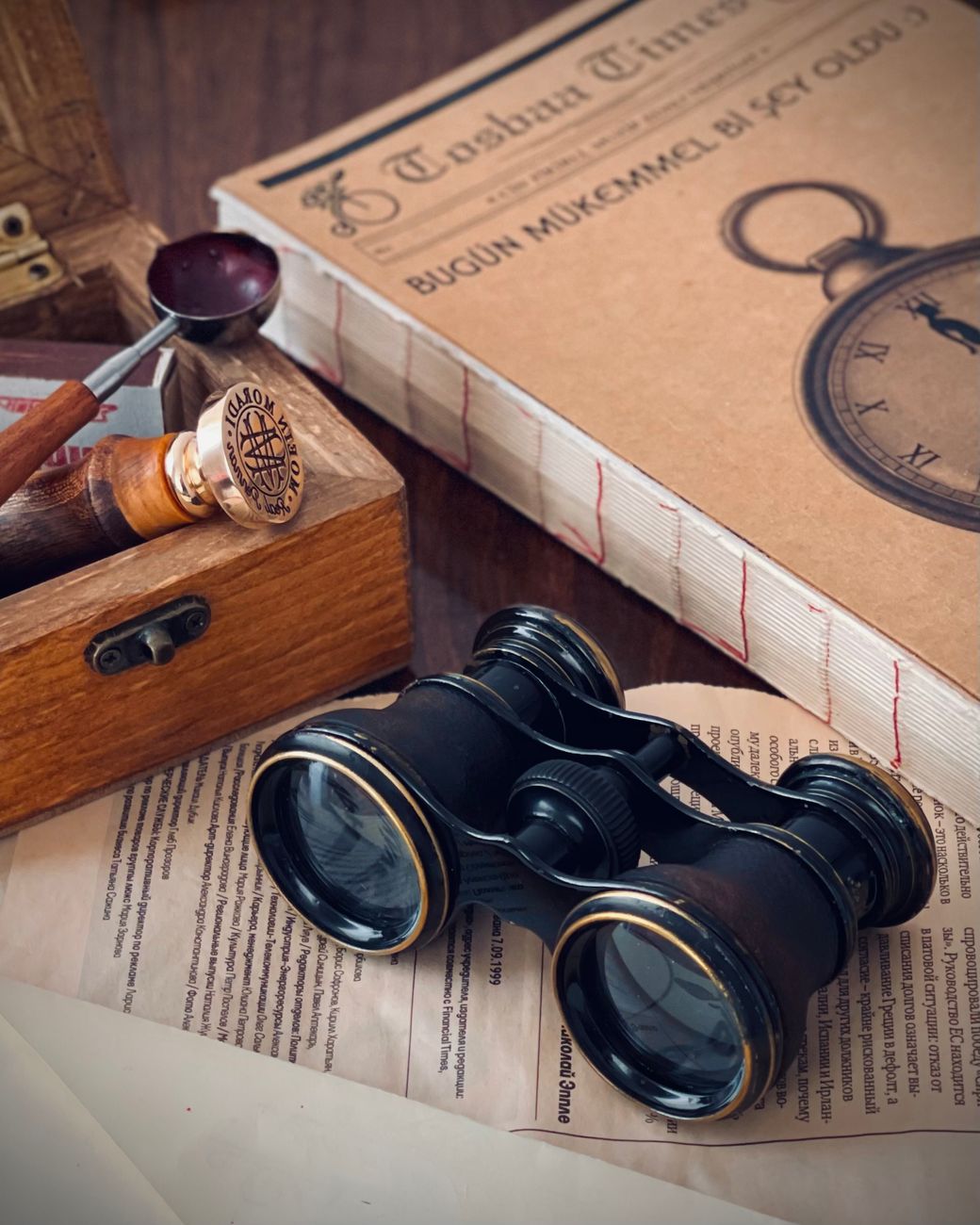
For the modern enthusiast, historian, or re-enactor, the spirit of the Templar seal lives on through the craft of authentic replication. This is more than simply creating a stamp; it is an exercise in historical reverence. The pursuit of authenticity drives many to abandon modern, plastic-like sealing wax in favor of traditional recipes using pure beeswax, natural resins like dammar, and period-appropriate pigments. The feel and even the scent of melting true beeswax connect the user to the medieval scriptorium. Likewise, the creation of the matrix is an art form. Modern artisans use historical sources to carve or engrave brass and bronze matrices that are faithful to the original designs, from the two knights to the Agnus Dei. Using a replica seal to secure a letter or authenticate a document for a re-enactment is a powerful experience. It is a way of engaging with history on a sensory level, echoing the same motions and intent as a Templar scribe 800 years ago. This dedication to authenticity, whether in preserving a priceless original or crafting a faithful replica, ensures that the art and authority of the Templar seal are not lost to time. It keeps the legend alive, not just in story, but in every stitch, and every carefully pressed impression in wax.
 Templar Uniform Editorial