The Allure of the Sacred in Templar Lore
In the medieval world, relics were far more than mere historical curiosities; they were potent symbols of faith, conduits to the divine, and sources of immense spiritual and temporal power. For the Knights Templar, a monastic military order deeply rooted in Christian piety, the veneration and possession of sacred relics held profound significance. These objects were believed to offer divine protection in battle, inspire courage among the brethren, and provide a tangible link to the saints and to Christ himself, reinforcing the Templars’ sacred mission to protect pilgrims and the Holy Land.
The acquisition and safeguarding of relics were central to the Templar identity. Each commandery, from the grandest fortress in the Levant to the humblest preceptory in Europe, would have sought to possess its own collection of holy objects. These relics served not only as focal points for prayer and devotion but also as instruments of legitimacy and authority. A fragment of a saint’s bone or a piece of the True Cross could elevate the status of a Templar house, attracting donations, pilgrims, and new recruits, all eager to be associated with such spiritual power.

However, the Templars’ relationship with relics was also shrouded in a veil of secrecy, a characteristic that would later fuel many of the accusations leveled against them during their suppression. While some relics were openly displayed for veneration, others, particularly those deemed most potent or sensitive, were guarded with extreme vigilance. This secrecy, combined with the Templars’ vast wealth and influence, inevitably gave rise to rumors and legends about the extraordinary treasures they might possess, far beyond the common fragments of saints’ remains.
The dual nature of Templar relics – as both spiritual anchors and potential sources of earthly power – made them objects of intense fascination and speculation. They represented the very essence of the Templars’ unique blend of monastic devotion and military might, embodying the sacred purpose that underpinned their existence and the mysteries that would forever cling to their legacy. 
The True Cross and Other Venerated Objects
Among the myriad relics venerated by medieval Christians, fragments of the True Cross held unparalleled significance, especially for crusading orders like the Templars. Believed to be pieces of the cross upon which Jesus Christ was crucified, these relics were considered the most potent symbols of divine protection and spiritual strength. The Templars, as guardians of the Holy Land, were intimately involved in the protection and veneration of such fragments, particularly the large piece held in Jerusalem, which was often carried into battle as a standard, inspiring awe and courage among the Christian forces.
Beyond the True Cross, the Templars, like other religious orders, would have possessed a wide array of other venerated objects. These included relics of saints – bones, hair, or pieces of clothing – believed to embody the spiritual power of the holy figures they represented. Holy oil, believed to have miraculous properties, and various chalices or reliquaries, some of which were thought to have been used by Christ or his apostles, also formed part of their sacred collections. These items were often acquired through donations from pious nobles, gifts from the Church, or sometimes, through the spoils of war.
The practical importance of these relics extended beyond mere spiritual comfort. In an age of constant warfare and uncertainty, relics served as powerful morale boosters. Knights would pray before them, touch them for blessings, and carry small fragments into battle, believing they offered divine intervention and protection from harm. The presence of a significant relic could transform a battlefield, imbuing the crusaders with a sense of righteous purpose and unwavering resolve against their enemies. 
Tragically, many of these precious relics were lost during the tumultuous history of the Crusades. The most famous example is the large fragment of the True Cross, which was captured by Saladin’s forces at the devastating Battle of Hattin in 1187. Its loss was a profound blow to Christian morale and a stark reminder of the vulnerability of even the most sacred objects in the face of conflict. Despite these losses, the memory and legends surrounding the Templars’ venerated objects continued to thrive, contributing to the mystique that surrounds the order to this day.
Legends of the Holy Grail and Ark of the Covenant
Perhaps no legends are more enduringly linked to the Knights Templar than those involving the Holy Grail and the Ark of the Covenant. While largely products of medieval romance and later speculative fiction, these myths have become inextricably woven into the fabric of Templar lore, transforming the order from a historical military force into guardians of the world’s most profound spiritual secrets. The Holy Grail, often depicted as the cup used by Jesus at the Last Supper or the vessel that caught his blood at the crucifixion, became a central motif in Arthurian literature, with later narratives often hinting at a Templar connection.
The origins of the Grail myth lie primarily in the literary works of Chrétien de Troyes and Wolfram von Eschenbach, among others, from the late 12th and early 13th centuries. These tales, rich with chivalry and spiritual quests, often featured knights embarking on perilous journeys to find the sacred artifact. It was in later centuries, particularly from the 19th century onwards, that the Templars were increasingly cast as the secret protectors or even discoverers of the Grail, a narrative fueled by their enigmatic dissolution and the perception of them as keepers of esoteric knowledge. 
Equally captivating is the legend of the Ark of the Covenant, the biblical chest said to contain the stone tablets of the Ten Commandments. Speculation about the Templars’ potential discovery of the Ark stems from their initial headquarters on the Temple Mount in Jerusalem, specifically in the area believed to be the site of Solomon’s Temple. For nearly a decade, the Templars conducted excavations beneath the Temple Mount, ostensibly to expand their quarters. This activity, combined with the sudden surge in their wealth and influence, led some to theorize that they unearthed ancient biblical treasures, including the Ark itself, which they then secretly transported to the West.
It is crucial to emphasize that there is no historical evidence to substantiate the claims that the Templars ever possessed either the Holy Grail or the Ark of the Covenant. These are powerful legends that reflect humanity’s enduring fascination with hidden knowledge and sacred power. Nevertheless, these myths have profoundly shaped the popular image of the Knights Templar, transforming them into figures of immense spiritual significance and guardians of secrets that transcend conventional history, adding layers of mystique to their already compelling story. 
The Shroud of Turin and Other Contested Artifacts
Among the more controversial artifacts linked to the Knights Templar is the Shroud of Turin, a linen cloth bearing the faint image of a crucified man, believed by many to be Jesus Christ. While the shroud’s history is complex and debated, some theories propose a connection to the Templars, particularly during the period following their suppression. The shroud’s documented history begins in the mid-14th century in Lirey, France, a time and place that aligns with the aftermath of the Templars’ downfall and the dispersal of their assets. The striking image on the cloth, often referred to as the “face of Christ,” resonates with certain Templar practices and alleged relics.
Proponents of the Templar connection point to several intriguing details. During the Templar trials, some knights were accused of venerating an idol or a severed head, sometimes described as having a beard and a sorrowful expression. While these accusations were likely coerced and part of a broader smear campaign, some historians suggest a possible link to a sacred cloth or image, which could have been the Shroud or a similar artifact. Furthermore, certain medieval depictions of Christ’s face, particularly those associated with the Templars, bear a striking resemblance to the image on the Shroud, leading to speculation that they possessed and secretly venerated it.
Other contested artifacts and allegations also surface in discussions of Templar relics. The infamous Baphomet, a mysterious idol or head that Templars were accused of worshipping during their trials, remains one of the most enigmatic aspects of their suppression. While likely a fabrication by their accusers, the legend of Baphomet has persisted, sometimes interpreted as a distorted reference to a sacred object or even a coded representation of esoteric knowledge. Various chalices, reliquaries, and even fragments of ancient texts have also been speculatively linked to the Templars, often without concrete historical backing.
It is crucial for cultural historians to approach these claims with a critical eye, distinguishing between verifiable historical fact and the rich tapestry of legend and folklore. While the Templars undoubtedly possessed numerous genuine relics, the more sensational claims often lack direct evidence. Nevertheless, the persistent association of the Templars with such powerful and mysterious artifacts speaks volumes about the enduring fascination they exert on the human imagination, transforming them into figures of profound historical and mythical significance. 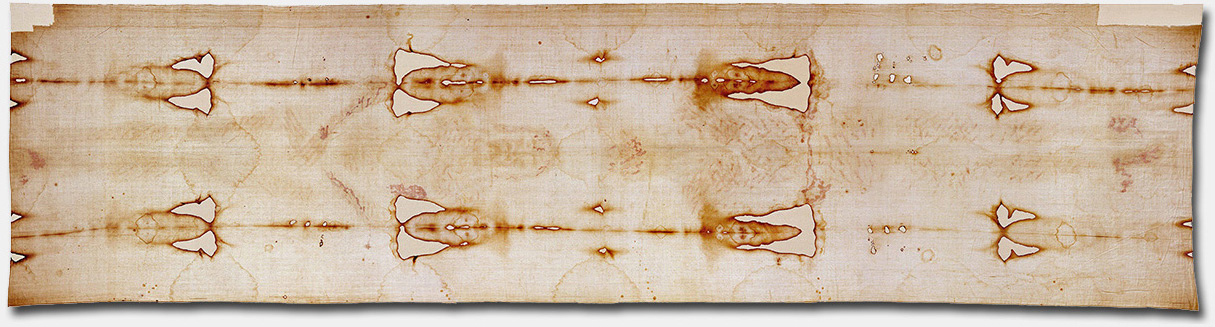
The Enduring Legacy of Templar Treasures
The dissolution of the Knights Templar in the early 14th century left behind a profound void, not only in the political and religious landscape of Europe but also in the collective imagination. With the arrest of their leaders and the confiscation of their vast wealth, the question of what happened to their most sacred and valuable relics became a matter of intense speculation. While many of their known assets – lands, castles, and documented treasures – were seized by the crown and the Church, the fate of their most secret or spiritually potent relics remains a subject of enduring mystery and fascination. 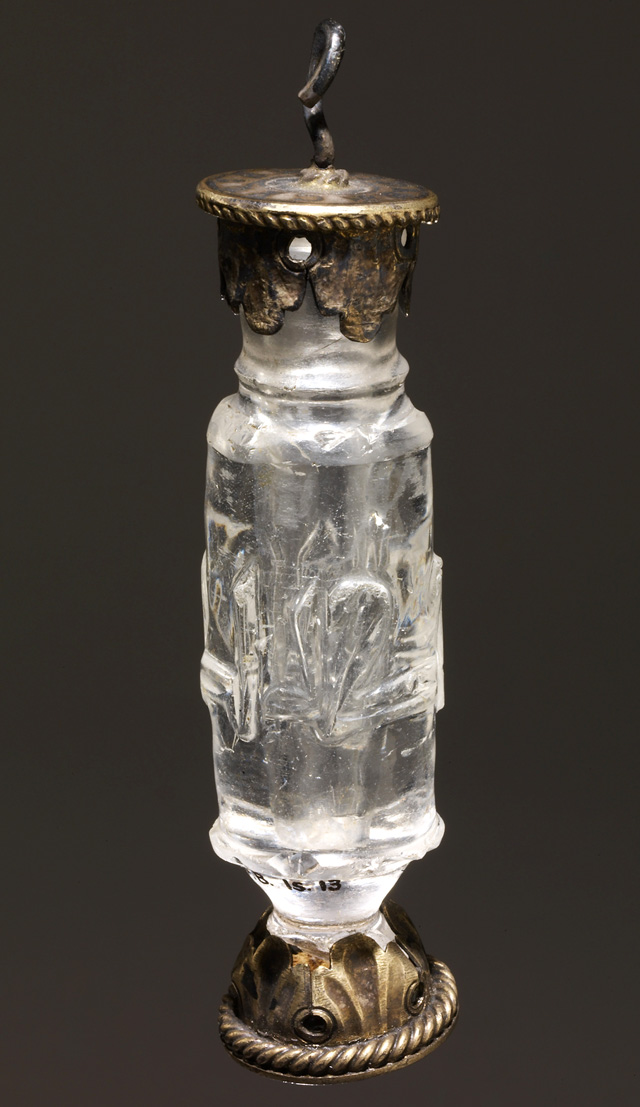
The suddenness of their suppression, coupled with the Templars’ reputation for secrecy and their alleged possession of extraordinary wealth, fueled persistent rumors that many of their most precious treasures, including significant relics, were successfully hidden or spirited away before the arrests. These tales of hidden Templar treasures, whether gold, jewels, or sacred artifacts, have captivated treasure hunters, historians, and enthusiasts for centuries, leading to countless expeditions and theories about their whereabouts, from remote Scottish islands to obscure French churches.
The enduring belief in hidden Templar relics continues to contribute significantly to the order’s legendary status. These stories transform the Templars from a historical military order into guardians of profound secrets and spiritual power, figures whose influence extends far beyond their historical lifespan. The allure of discovering a lost Templar relic – be it a fragment of the True Cross, a forgotten chalice, or even a document revealing ancient knowledge – remains a powerful draw, connecting modern seekers to the mystique of the medieval past.
Ultimately, the legacy of Templar relics, both real and legendary, is a testament to the human desire for meaning, mystery, and connection to the sacred. Whether these objects were genuine fragments of history or products of fervent imagination, they have profoundly shaped our understanding of the Knights Templar, ensuring their place not just in the annals of history, but also in the timeless realm of myth and legend. The sacred secrets of the Templars continue to whisper through the ages, inviting us to explore the depths of faith, power, and the enduring human quest for the divine. 
 Templar Uniform Editorial