The Iconic Red Cross and White Mantle
Eagle & Symbol of Knights Templar Tee
Wear the cross that crossed history — premium Templar apparel, made on demand.

🇺🇸 Fast US shipping · 🇪🇺 Ships across the EU · 🔒 Secure checkout
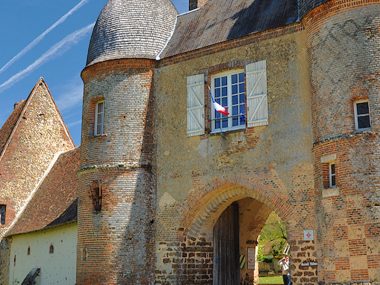
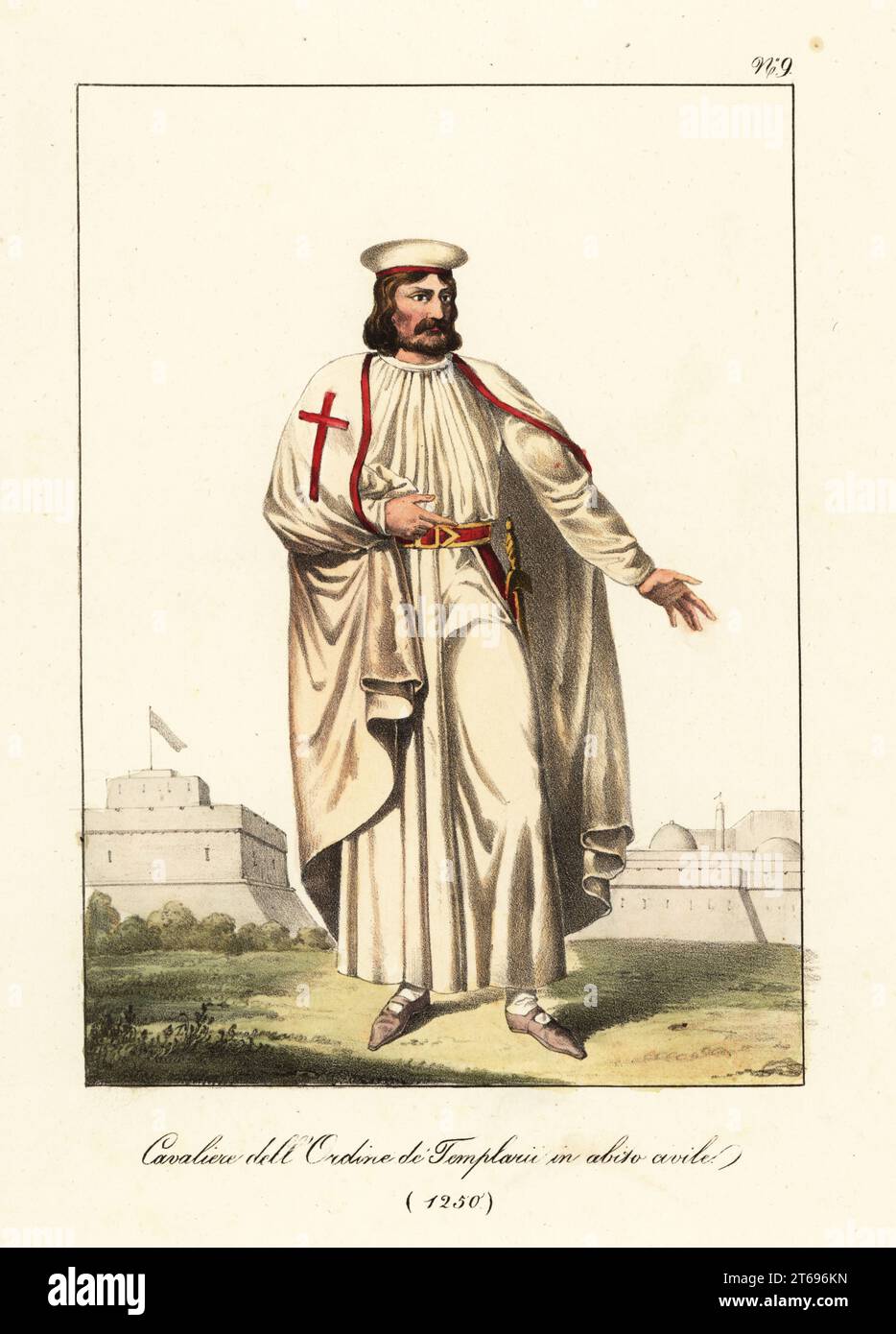
The visual identity of the Knights Templar is perhaps one of the most recognizable symbols from the medieval period: the distinctive red cross emblazoned upon a white mantle. This powerful emblem was officially granted to the order by Pope Eugene III in 1145, during the Second Crusade. The white mantle itself symbolized purity, chastity, and devotion to God, reflecting the monastic vows taken by the warrior-monks. It set them apart from other military orders and secular knights, signifying their unique dual role.
The red cross, typically a Cross Pattée, held profound symbolic weight. Red represented martyrdom and the blood shed for Christ, a constant reminder of their sacred mission and the ultimate sacrifice they were prepared to make. This combination of purity and sacrifice created an instantly recognizable and psychologically potent uniform on the battlefields of the Holy Land, inspiring allies and striking fear into their adversaries. It was more than just attire; it was a declaration of their faith and purpose.
Seals and Sigils: Beyond the Cross
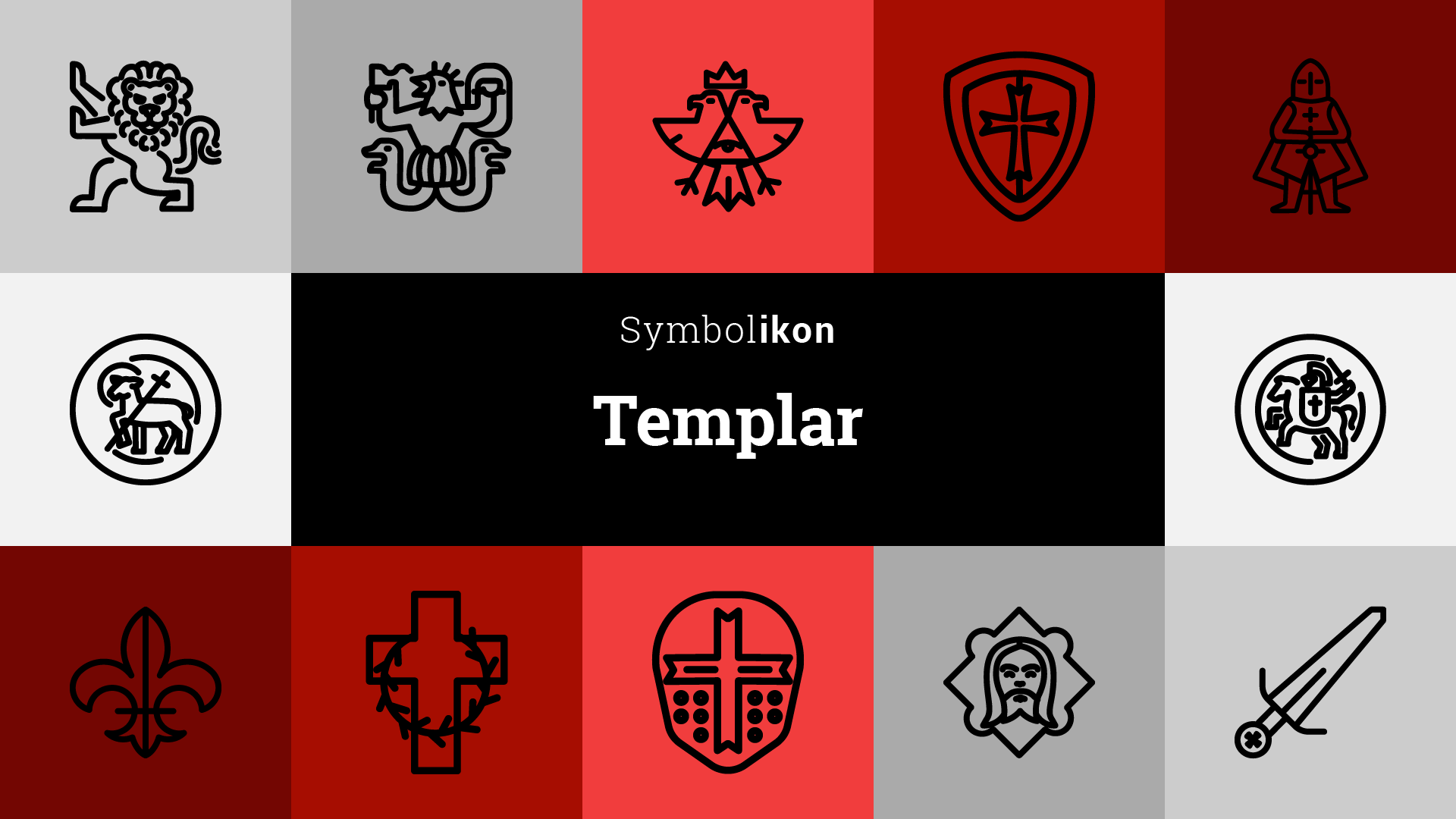
While the red cross is paramount, the Knights Templar utilized various seals and sigils that offered deeper insights into their values and self-perception. The most famous of these is the seal depicting two knights riding a single horse. This image is widely interpreted as a powerful symbol of the order’s initial poverty and humility, reflecting their early vows and the austere conditions under which they began. It also underscored their brotherhood and shared purpose, emphasizing collective strength over individual glory.
Beyond this iconic image, other seals featured different motifs, such as the Agnus Dei (Lamb of God) or representations of the Temple of Solomon, from which they derived their name. These seals served as official markers for documents and correspondence, but more importantly, they communicated the core tenets of the order. Each symbol, whether explicit or subtle, reinforced their spiritual commitment, their martial prowess, and their connection to sacred history, contributing to their mystique.
The Temple of Solomon and Its Legacy
The very name of the order, “Poor Fellow-Soldiers of Christ and of the Temple of Solomon,” inextricably links them to one of history’s most revered and enigmatic structures. Their initial headquarters, granted by King Baldwin II of Jerusalem, were located on the Temple Mount, believed to be the site of the ancient Jewish Temple. This physical proximity to such a sacred and historically significant location imbued the order with immense symbolic weight and fueled much of the lore that would later surround them.
The Temple of Solomon itself symbolized wisdom, divine presence, and profound spiritual knowledge. For the Templars, residing at this site connected them to a lineage of sacred guardianship and ancient mysteries. This association, whether intentional or coincidental, became a cornerstone of their legend, suggesting a deeper understanding of esoteric truths or hidden treasures. The enduring connection to Jerusalem and the Holy Land was not merely strategic but deeply symbolic, anchoring their identity in a place of immense spiritual power.

Whispers of Secret Rituals and Esoteric Knowledge
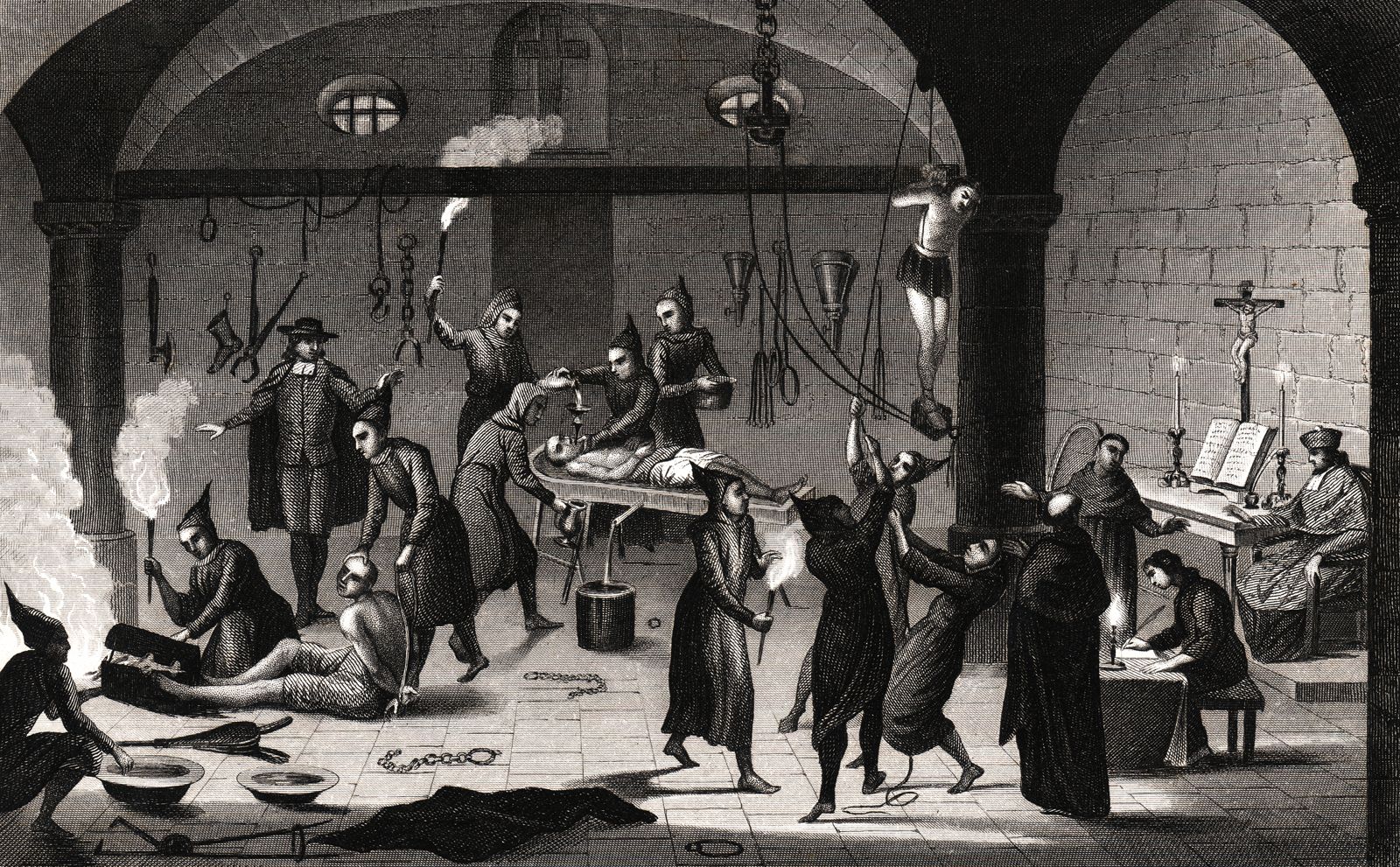
The dramatic suppression of the Knights Templar in the early 14th century gave rise to numerous accusations of secret rituals, heresy, and the worship of idols like Baphomet. While many of these charges were likely fabricated under torture to justify their dissolution, they cemented the image of the Templars as a secretive society possessing hidden knowledge. Medieval secret societies often had initiation rites and oaths, and the Templars, as a monastic military order, undoubtedly had their own internal protocols and ceremonies, which were then twisted by their accusers.
Over centuries, these accusations evolved into elaborate myths, suggesting the Templars discovered ancient secrets beneath the Temple Mount, guarded the Holy Grail, or possessed Gnostic texts. These narratives, though largely unsubstantiated by historical evidence, have profoundly shaped the Templar legend. They highlight humanity’s enduring fascination with hidden truths and the allure of an organization believed to hold keys to profound, lost wisdom, distinguishing historical fact from later embellishments.
Modern Interpretations and Enduring Allure
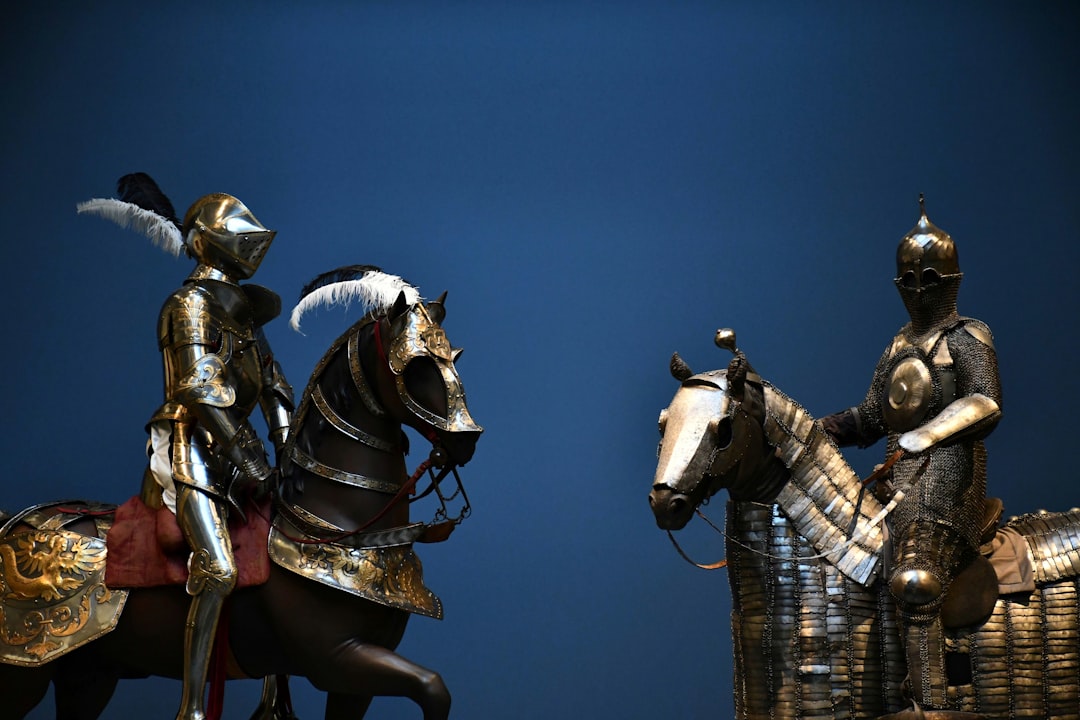
Today, the symbols and lore of the Knights Templar continue to captivate the public imagination, transcending their historical context to become powerful cultural touchstones. Their imagery, from the distinctive red cross to the two knights on one horse, appears frequently in contemporary literature, film, video games, and even fashion. This enduring presence reflects a deep-seated fascination with their perceived virtues: courage, loyalty, mystery, and a quest for truth and justice.
The Templars represent an archetype of the noble warrior, the guardian of secrets, and the defender of faith. In recent years, their story has been reinterpreted through various lenses, often highlighting themes of sacrifice, conspiracy, and the pursuit of ancient knowledge. This constant re-evaluation and adaptation of their symbols and narratives ensure that the Knights Templar remain relevant, prompting new discussions and inspiring creative works that explore their complex legacy.
Guardians of a Timeless Legacy
The symbols and lore of the Knights Templar are far more than mere historical artifacts; they are potent narratives that have shaped centuries of cultural understanding and continue to resonate today. From the stark simplicity of the red cross on a white mantle to the enigmatic imagery of their seals and the profound associations with the Temple of Solomon, each element tells a part of their extraordinary story. These symbols encapsulate their spiritual devotion, military prowess, and the enduring mystery that surrounds their rise and fall.
Understanding these layers of meaning allows us to appreciate not only the historical impact of the Templars but also their lasting influence on our collective imagination. As cultural historians, decoding these symbols offers a richer perspective on an order that, despite its dissolution centuries ago, remains a powerful emblem of faith, conflict, and the eternal human quest for purpose and meaning. Their legacy continues to inspire and intrigue, inviting ongoing exploration into the heart of their timeless legend.
 knighttemplar