In any U.S. workplace, from a hospital floor to a factory line, certain items hold more than just functional value. They carry stories, represent a team’s history, or symbolize a shared purpose. Thinking about historical items, like the famed Templar relics, offers a lens to understand this.
This article explores how the idea of a ‘relic’—an object with deep historical or symbolic meaning—can be applied to the everyday items and uniforms we use. We’ll look at how recognizing this deeper value can impact team identity, professional appearance, and practical decision-making in your daily work.

Understanding Symbolic Value in Workplace Items
Historically, Templar relics were valued for their perceived power or connection to significant events. In our jobs, a well-maintained uniform, a specific tool passed down, or a team award can carry similar weight. These items are not just functional; they represent dedication, skill, or shared achievement.
Recognizing this symbolic value helps foster team pride and respect for the profession. For a supervisor, understanding the non-monetary value of these items is key to ensuring they are respected and contribute positively to morale.

Authenticity and Compliance for Valued Objects
Historically, the authenticity of Templar relics was often debated. In the modern workplace, this translates to compliance. Is a uniform genuinely compliant with current safety standards? Is a certification truly earned and up-to-date? Ensuring that items, especially uniforms and safety gear, meet current regulations is critical.
A common mistake is overlooking updated regulations for an item that is considered
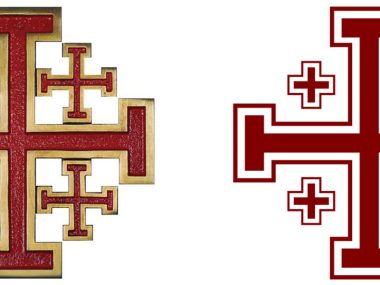
 Templar Uniform Editorial