Beyond the history etched in stone and the legends whispered through centuries, the spirit of the Knights Templar endures. It lives not only in texts and artifacts but in the vibrant fellowship of modern orders that carry the torch of chivalric tradition. For these communities, there is no moment more profound or joyous than the welcoming of a new member. This is not merely an induction; it is a sacred rite of passage, a ceremony steeped in symbolism where an individual crosses the threshold to become part of a storied brotherhood and sisterhood. The ritual gathering to celebrate a new aspirant is where the past and present merge, and where the iconic Templar uniform transforms from a garment into a solemn promise.
These ceremonies are the lifeblood of any modern chivalric order, ensuring its principles and heritage are passed to a new generation. They are a powerful reminder that the Templar journey is one of shared purpose and unwavering support. Join us as we pull back the veil on this cherished tradition, exploring the solemn preparations, the profound rite of passage, and the heartfelt celebration that marks the beginning of a new Templar’s path.

The sacred space: preparing for the ceremony
Before a single vow is spoken, the atmosphere itself must be consecrated. The preparation for an initiation ceremony is a ritual in its own right, a deliberate and meaningful process of transforming a physical location into a sacred space. Whether held in a historic chapel, a grand Masonic hall, or a private chapter room, the environment is meticulously arranged to evoke a sense of reverence and timelessness. The air grows still, heavy with anticipation, and the mundane world is left outside the door. This is a place where symbolism reigns, and every object tells a part of the Templar story.
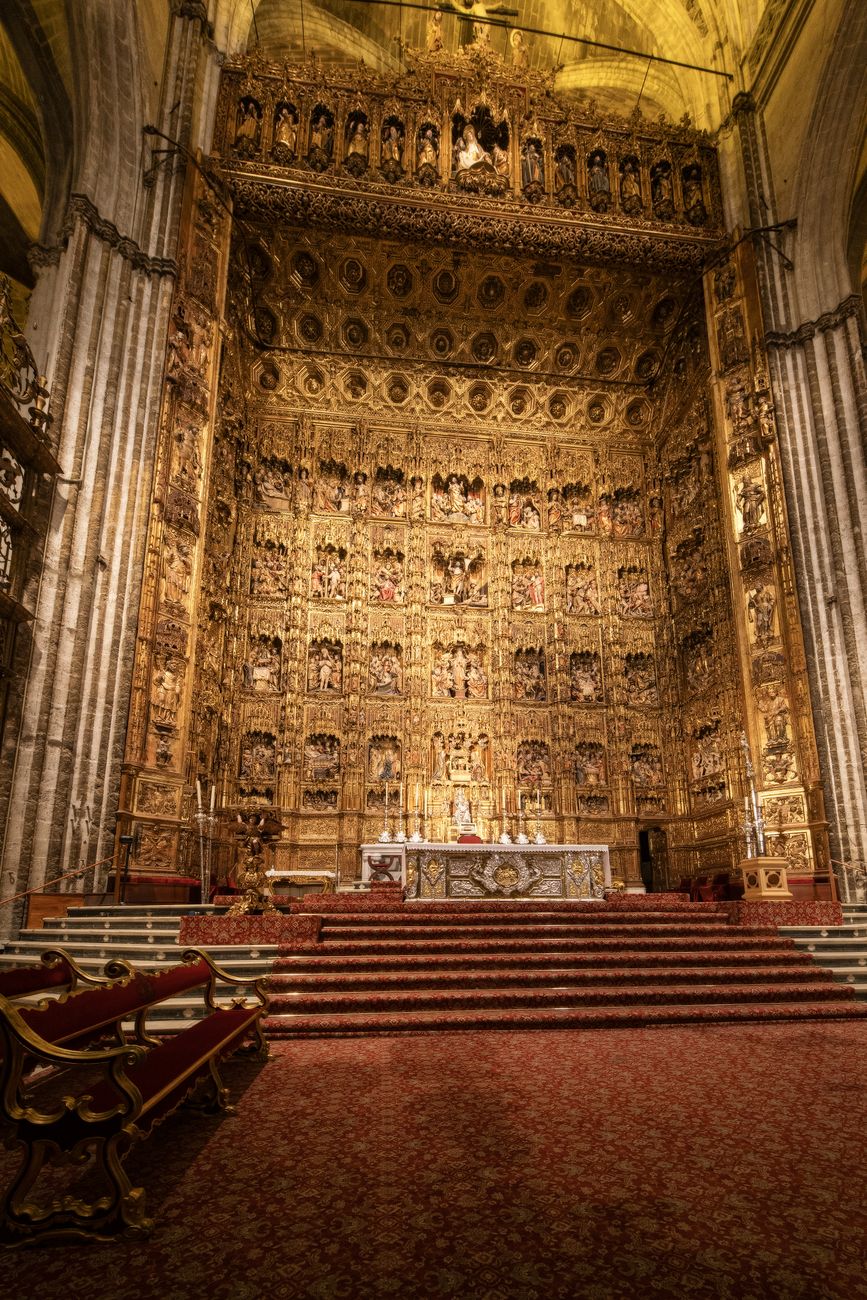
Banners and standards, bearing the iconic Beauceant or the crimson cross on a white field, often adorn the walls. They are not mere decorations; they are the silent witnesses of the order’s history and the principles it upholds. An altar typically serves as the focal point of the room, draped in symbolic colors—most often white for purity, black for penitence, and red for martyrdom. Upon it may rest a holy book, a sword, and candles, whose flickering light casts long shadows, creating an ambiance that is both solemn and deeply introspective. This careful curation of the environment is designed to focus the minds and hearts of all present, especially the candidate, on the gravity and significance of the events about to unfold.
The existing members also form a crucial part of this living tableau. Dressed in their own regalia, they are a vision of unity and tradition. Their white mantles, draped uniformly over their shoulders, create a sea of purity and purpose. The sight of the assembled chapter, each member wearing the cross that binds them, is a powerful affirmation of the collective identity the postulant seeks to join. For a candidate, seeing this unified presence is often the first tangible feeling of the profound brotherhood they are about to enter. The quiet dignity of the members, the rustle of their mantles as they take their positions, and the shared, silent understanding in their eyes all contribute to the sanctity of the moment. The uniform, in this context, is not for show; it is a tool for transcending the individual and becoming part of a larger, noble whole. It is the first lesson in the Templar lifestyle: humility, unity, and a shared commitment to a higher ideal.
The rite of passage: from postulant to knight
The heart of the gathering is the ceremony itself, a structured and symbolic journey that guides the candidate, or postulant, through a profound spiritual and personal transformation. While the specific details of these rituals vary between different modern Templar orders, they share a common framework rooted in ancient chivalric and spiritual traditions. The rite is a dramatic narrative of self-reflection, commitment, and rebirth, culminating in the aspirant’s acceptance into the order as a brother or sister.

The process often begins with a formal challenge or questioning. The postulant, often waiting in a separate chamber of reflection, is led into the sacred space. Here, they are met by the presiding officers of the chapter, who question them on their motives, their character, and their understanding of the commitment they wish to make. These are not questions with easy answers. They are designed to prompt deep introspection, ensuring the candidate’s desire to join is born of genuine conviction and a sincere wish to uphold the order’s values of faith, charity, and defense of the innocent. This solemn examination reinforces that the path of a Templar is one of service and sacrifice, not personal gain.
Once the candidate’s resolve has been proven, the ceremony proceeds to its most sacred moment: the oath. Kneeling at the altar, with a hand often placed upon a holy book or a sword, the postulant recites the vows of the order. This is the fulcrum of the entire ritual. It is a binding promise made not only to the members present but to the legacy of the order and to the higher principles it serves. The words spoken in the quiet of the chapter room echo with the weight of history, forging an unbreakable link between the new member and all who have taken the same oath before them.
Following the oath comes the investiture, the moment most central to our blog’s focus on attire. The candidate is ceremonially cloaked in the iconic white mantle of the order. This is a profoundly symbolic act. The mantle is placed upon their shoulders, and as the fabric settles, its weight is a physical reminder of the new responsibilities they have accepted. The pure white color signifies the purity of intention required of them, while the prominent red cross is a declaration of their faith and their willingness to stand for their beliefs. This is the moment the uniform ceases to be clothing and becomes a sacred vestment, an outward sign of an inward transformation. Finally, the ceremony often culminates in the accolade, or the act of knighting. A sword is gently touched to the candidate’s shoulders, a gesture that formally bestows upon them the title of Knight or Dame. It is a moment of immense dignity, sealing their new status within the order and welcoming them fully into the chivalric family.
The celebration of fellowship: feasting and brotherhood
With the solemnity of the ritual complete, the atmosphere of the gathering transforms dramatically. The hushed reverence of the chapter room gives way to the warm, joyous energy of celebration. This transition from sacred rite to communal feast, often called an “agape” or festive board, is as integral to the Templar tradition as the ceremony itself. It is here, in the breaking of bread together, that the newly forged bonds of brotherhood and sisterhood are truly cemented.

The new Knight or Dame, now wearing their mantle with a visible sense of pride and humility, is welcomed with heartfelt congratulations, handshakes, and embraces. They are no longer a candidate on the outside looking in; they are an equal, a cherished part of the family. The banquet hall or dining room buzzes with conversation and laughter. The feast is a time for storytelling, for sharing wisdom, and for the simple, profound act of enjoying a meal together. It mirrors the communal life of the historical Templars, who lived and ate together in their commanderies, fostering a spirit of unity that was essential to their success.
Toasts are often a central feature of the celebration. The leaders of the order may offer a toast to the new member, formally welcoming them and offering words of encouragement for the journey ahead. The new Knight, in turn, may be invited to speak, offering their thanks and expressing their hopes for their future within the order. These moments are filled with genuine emotion and goodwill, reinforcing the supportive and nurturing environment of the community. It’s a time when more experienced members share anecdotes and advice, helping the new initiate feel truly at home. They learn that the mantle they wear is not a burden to be carried alone, but a banner under which they will always find support.
This celebratory phase is crucial. It demonstrates that the Templar path, while serious and demanding, is also one of immense joy and deep personal connection. It shows the new member that they have joined more than an organization; they have been accepted into a fellowship of like-minded individuals who will stand by them, guide them, and share in both their struggles and their triumphs. The laughter and conversation shared over the festive board are the sounds of a living, breathing tradition, a community strengthened and renewed by the addition of each new member committed to carrying its noble legacy into the future.

 Templar Uniform Editorial