
When we picture a Knight Templar, the image is often one of pristine, almost divine, perfection. A flowing white tabard, emblazoned with a stark, blood-red cross, billowing in the wind. It’s a powerful, romantic symbol that has captivated imaginations for centuries. But this picture, while iconic, is incomplete. It represents the ideal, the ceremony, the beginning of a journey. The true story of a Templar knight—a story of pilgrimage, battle, and unwavering duty—was not written on clean, white linen. It was etched into every stain, every tear, and every sun-bleached fiber of a well-worn, weathered tabard. This garment was more than a uniform; it was a living chronicle of a life dedicated to faith and forged in hardship.
For the modern historian, the dedicated reenactor, or the passionate enthusiast, understanding the importance of weathering is the key to unlocking a deeper authenticity. It’s about moving beyond the costume and embracing the history. A weathered tabard doesn’t look sloppy; it looks real. It speaks of dusty roads in the Holy Land, of frantic repairs by campfire light, and of the constant friction of mail and leather. It transforms a simple piece of clothing into a powerful artifact of storytelling. In this article, we’ll delve into why the myth of the spotless warrior is just that—a myth—and explore how the language of wear and tear truly brings the legend of the Knights Templar to life.

The myth of the spotless warrior knight
The modern image of the Knights Templar is heavily influenced by art, film, and romanticized literature. In these depictions, they are often portrayed as an immaculate force, their white surcoats a symbol of their purity and unwavering resolve. While the symbolism is historically accurate—the white did indeed represent the purity and chastity of the knightly monk—the practical reality of their daily lives was far from spotless. To appreciate the authentic Templar, we must first deconstruct this myth and ground ourselves in the harsh realities of the 12th and 13th centuries.
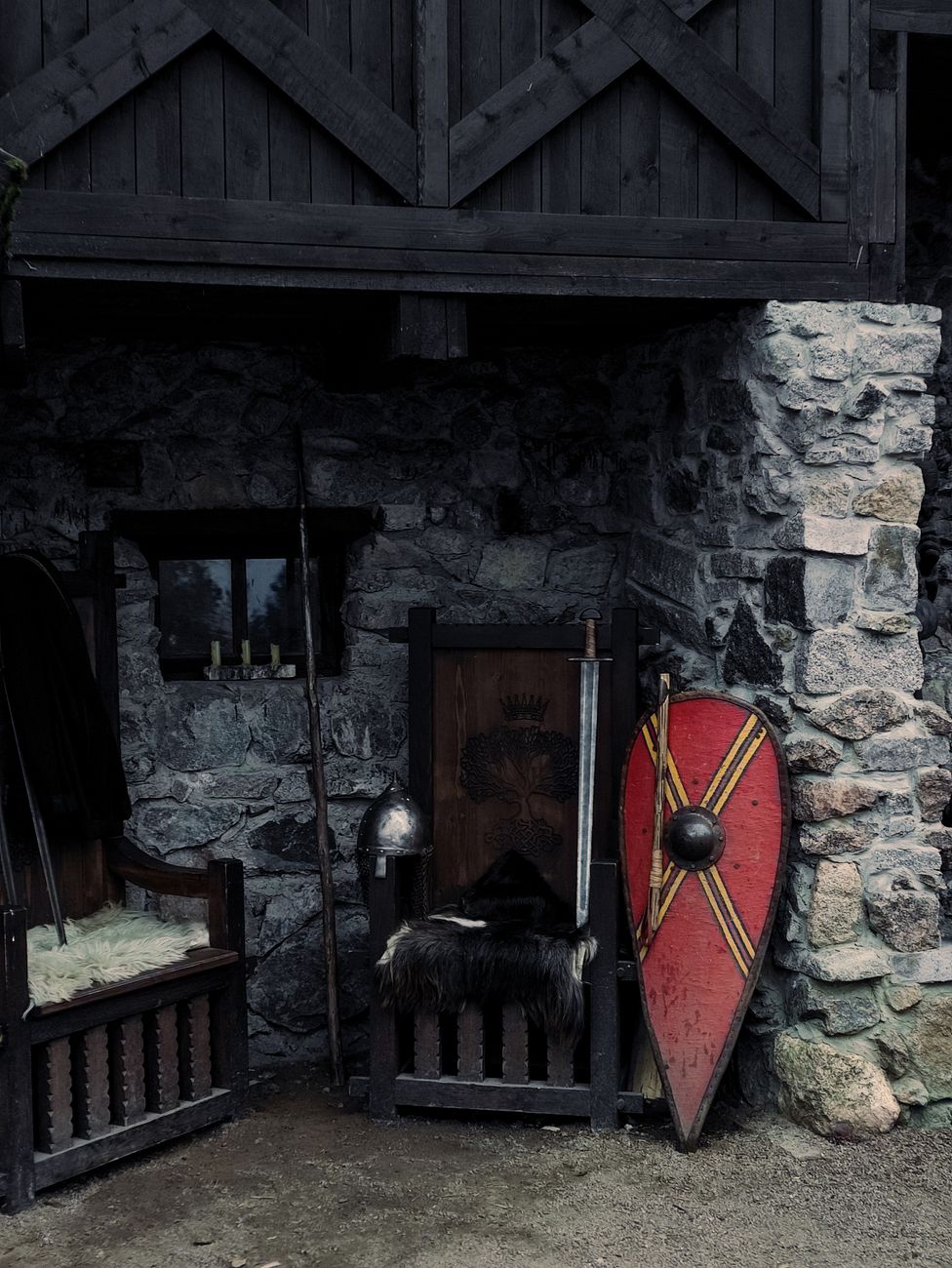
A Templar knight was, first and foremost, a soldier and a monk, and his life was one of constant activity. Whether campaigning in the arid landscapes of Outremer, managing the Order’s vast agricultural holdings in Europe, or traveling long distances on horseback, their garments were subjected to relentless wear. The primary material for a tabard, or surcoat, was typically wool or heavy linen. These are robust fabrics, but they are not immune to the environment. Imagine riding for weeks on dusty roads. The fine, ochre-colored dust of the Levant would have worked its way deep into the weave of the fabric, transforming the brilliant white into a muted, earthy tone. The hem of the garment would be constantly splattered with mud and water, kicked up by the hooves of their warhorse.
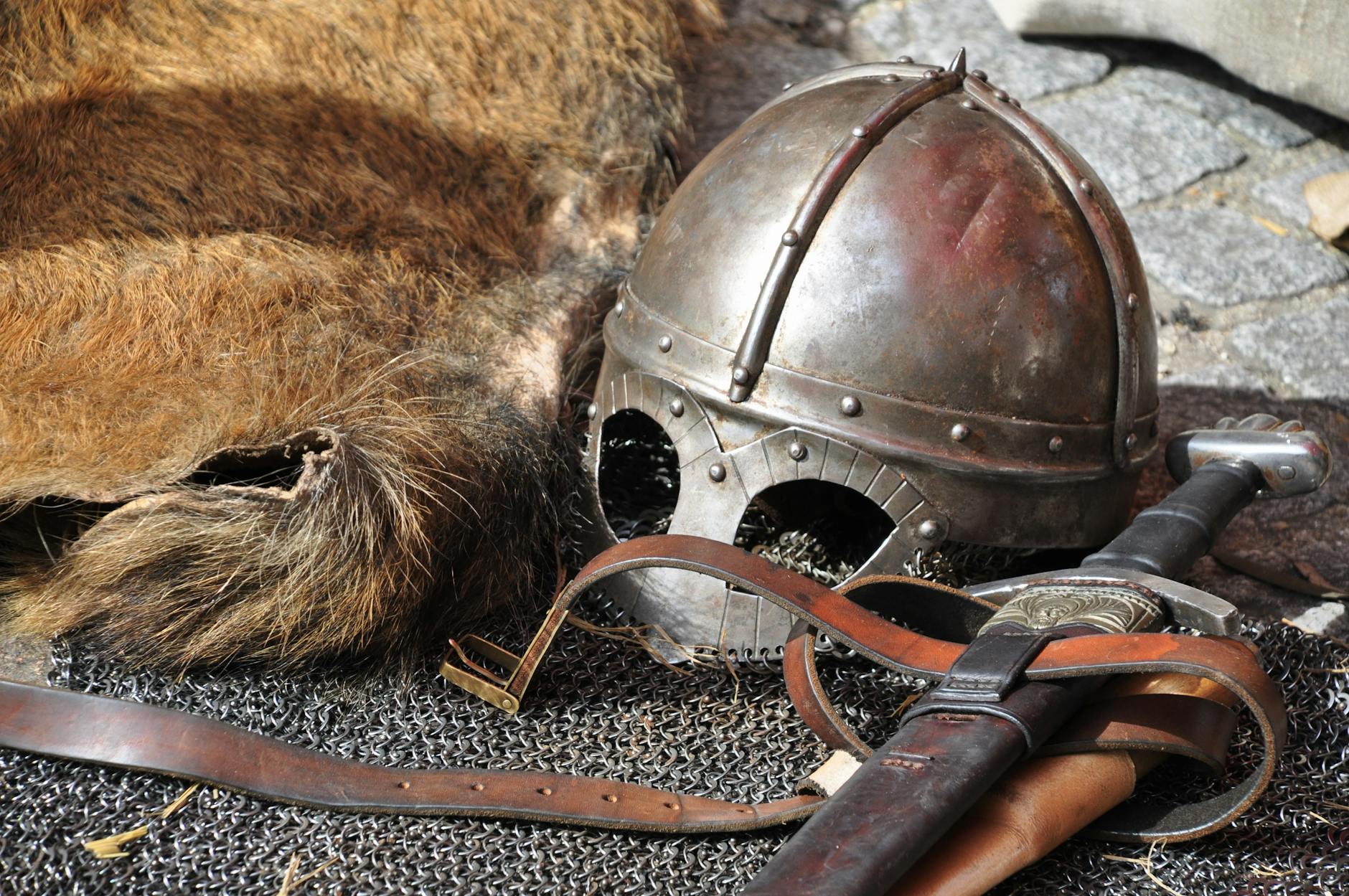
Furthermore, the tabard was not worn in isolation. It was the outermost layer of a complex system of armor. Underneath, a knight wore a padded gambeson and a full suit of mail, known as a hauberk. The constant movement of these layers created friction. The shoulders, chest, and waist—areas where the mail and sword belt rubbed constantly—would show signs of fraying and wear much faster than other parts of the garment. Rust from the mail rings, especially after being caught in the rain, could easily transfer onto the fabric, leaving faint reddish-brown stains that were nearly impossible to remove completely. The simple act of living, training, and fighting in this equipment would leave an indelible mark. A pristine tabard would have been a sign of a knight who had not yet seen service, a novice fresh from his investiture.
Life beyond the battlefield
It’s also crucial to remember that a Templar’s life wasn’t only about battle. The Order was a massive international corporation with commanderies, farms, and chapels spread across Christendom. A knight might spend months overseeing harvests, managing logistics, or training recruits. This work involved manual labor, exposure to the elements, and the general grime of medieval life. Their tabards would bear the evidence of this toil: stains from sweat, dirt from the fields, and perhaps even grease from maintaining equipment. While the Templar Rule dictated standards for cleanliness and appearance, it was a rule of practicality, not pristine perfection. A knight was expected to be presentable and maintain his gear, which included mending tears and washing his garments when possible. But the evidence of an active life was unavoidable and, in many ways, a testament to his service and dedication.
Every stain tells a story: the language of weathering
Once we move past the idea of a flawless uniform, we can begin to see a weathered tabard not as a damaged piece of clothing, but as a rich historical text. Each mark, fade, and frayed edge is a word in a sentence, telling the story of its wearer’s journey, struggles, and devotion. For a reenactor or creator, understanding this language is the difference between a generic costume and a believable persona. Weathering isn’t random destruction; it is a deliberate art form that follows a logic of cause and effect, rooted in the historical experience of the knight.
The dust of the holy land and the bleaching sun
A knight serving in the Crusader States would have a tabard that looked vastly different from one worn by a brother in the green fields of France. The intense, relentless sun of the Middle East would bleach the fabric, especially across the shoulders and upper back. The brilliant white would soften to a cream or ivory, and the vibrant red of the cross might fade to a muted crimson. This wasn’t a flaw; it was a badge of honor, a clear sign of a veteran who had served in the most critical theater of operations. The very air, thick with fine dust, would embed itself in the cloth, giving it a permanent, earthy hue that no amount of washing could fully erase.
The scars of conflict and the toil of travel
Battle, or even rigorous training, leaves unmistakable marks. A tear near the arm might show a clumsy, hurried repair, stitched with thick thread by the knight himself after a skirmish. The edges of the arm and neck openings, areas of high movement, would be the first to fray. While a catastrophic cut would likely render the garment unusable, smaller nicks and scrapes were part of the job. Bloodstains, though dramatic, would have been washed out as best as possible, likely leaving behind faint, brownish discolorations. More common would be the dark, greasy lines where oiled mail rubbed against the cloth, or the subtle wear patterns left by the scabbard of his sword slapping against his leg with every step. The lower hem would be a map of his travels, darkened and stiffened with the mud of countless roads, a physical record of the miles he had journeyed for the Order.
The mark of devotion and daily life
Not all wear comes from violence or travel. The Knights Templar were warrior-monks, and their lives were structured by prayer and duty. The knees of a tabard might show subtle thinning or staining from the countless hours spent kneeling in prayer in chapels and dusty campaign tents. The fabric around the belt would be worn smooth, compressed by the constant pressure of the leather. Even the way a knight handled his equipment would leave a trace. Perhaps a recurring stain on the left hip where he rested a gauntleted hand, or wear on the right shoulder from carrying a lance. These small, intimate details build a portrait of the man who wore the uniform, grounding the legendary warrior in the simple, repetitive actions of his daily existence. They show a garment that was not merely worn, but truly lived in.
Techniques for authentic weathering: from history to hobby
For those of us who seek to recreate this legendary attire, the goal of weathering is authenticity, not destruction. A well-weathered tabard should look used and maintained, not neglected or destroyed. The Templars were a disciplined military order, and they would have taken pride in their equipment. A knight would have mended a tear and washed his surcoat when the opportunity arose. The objective, therefore, is to replicate the logical, cumulative effects of a life of service, creating a piece that feels like it has a history. There are several approaches to achieving this, ranging from natural processes to more controlled, artistic techniques.
The natural method: a commitment to use
The most authentic way to weather a garment is, simply, to use it. For the dedicated historical reenactor, this is the preferred path. Wear your tabard to events. Wear it while practicing sword drills, setting up your tent, or sitting by a smoky campfire. Let it get caught in the rain. Let the sun beat down on it. Over time, the fabric will naturally soften, fade, and pick up the genuine dust and grime of your activities. This method is slow and requires patience, but the results are unparalleled in their realism. Every mark will be earned, and your connection to the garment will be far deeper. It becomes a true piece of your gear, not just a part of a costume.
Controlled techniques for realistic results
When time is a factor, or for display pieces, controlled weathering techniques can be used to simulate years of wear. The key is subtlety and purpose. Rather than just making it dirty, think about the story you want to tell.
- Staining: Weak tea or coffee baths are a classic method for giving white fabric an overall aged, off-white appearance. For more specific stains, diluted acrylic paints work wonders. Use earthy colors like raw umber, burnt sienna, and ochre, watered down significantly and applied with a spray bottle, sponge, or brush to mimic dust, mud, and general grime. Concentrate on logical areas: the hem for mud, the chest and back for dust, and the areas around armor for rust or oil.
- Fading and Fraying: To simulate sun-bleaching, you can leave the garment in direct sunlight for several weeks, or carefully use a heavily diluted bleach solution sprayed lightly on the shoulders and upper surfaces. For physical wear, focus on the edges. Use a stiff wire brush or sandpaper to gently fray the hem, collar, and armholes. Don’t overdo it—you want it to look like it’s fraying from use, not like it was attacked with a pair of scissors.
- Repairs: Adding a few period-appropriate stitched repairs can add immense character. Use a thick linen or wool thread and a simple, strong stitch like a running stitch or whipstitch. A slightly mismatched thread color can suggest a hasty repair made on campaign.
Remember, less is often more. Build up layers of weathering slowly rather than trying to do it all at once. The most convincing pieces have a variety of subtle marks that tell a complex story, reflecting a long and storied history that extends far beyond a single battle or journey.

 Templar Uniform Editorial


