
When we picture a Knight Templar, the image is often one of stark contrasts: the white mantle emblazoned with a red cross, a sword in hand, a stoic warrior of faith. We see the crusader, the defender of pilgrims, the martyr. Yet, there is another, equally vital, aspect of the Templar identity that is often overlooked—one held not in a gauntleted fist, but in a careful ledger and a heavy coin purse. The Knights Templar were not just warriors; they were the architects of the world’s first multinational banking system. To truly understand their power and influence, we must look beyond the battlefield and into the very currency that flowed through their hands. This is why collecting medieval coins, particularly those from the Crusader era, is not merely a hobby. It is an act of historical archaeology, a way to hold a tangible piece of the Templar legacy and unravel the economic threads that bound their legendary order together.
In our exploration of Templar attire and artifacts, we often focus on the grand and the martial—the helmets, the mail, the swords. But the humble coin was just as much a part of their daily uniform as the mantle they wore. It was a tool of their trade, a symbol of their reach, and a silent witness to their rise and fall. Each worn silver denier or gleaming gold bezant from that period tells a story. It speaks of trade routes stretching from London to Jerusalem, of pilgrim finances secured, and of a complex economic network that funded kingdoms and crusades alike. For the modern enthusiast, collecting these metallic echoes of the past offers an unparalleled connection to the Knights, transforming abstract history into a physical, intimate experience. It’s a quest to assemble a puzzle not of parchment and ink, but of silver and gold, each piece a key to understanding the true scope of the Templar world.

Coins as the ledger of the crusader economy
To grasp the significance of coins in the Templar saga, one must first appreciate the sheer scale of their financial operations. The Order of the Temple was an economic powerhouse. They owned vast tracts of land across Europe and the Outremer, operated farms and vineyards, and commanded fleets of ships. Their most revolutionary innovation, however, was their system of credit. A pilgrim in London could deposit their funds at a Templar preceptory and receive a letter of credit, which they could then redeem for local currency at a commandery in Jerusalem. This system, which eliminated the need to carry vast, heavy sums of money across dangerous lands, was revolutionary. It made the Templars the trusted bankers of popes, kings, and common travelers alike.
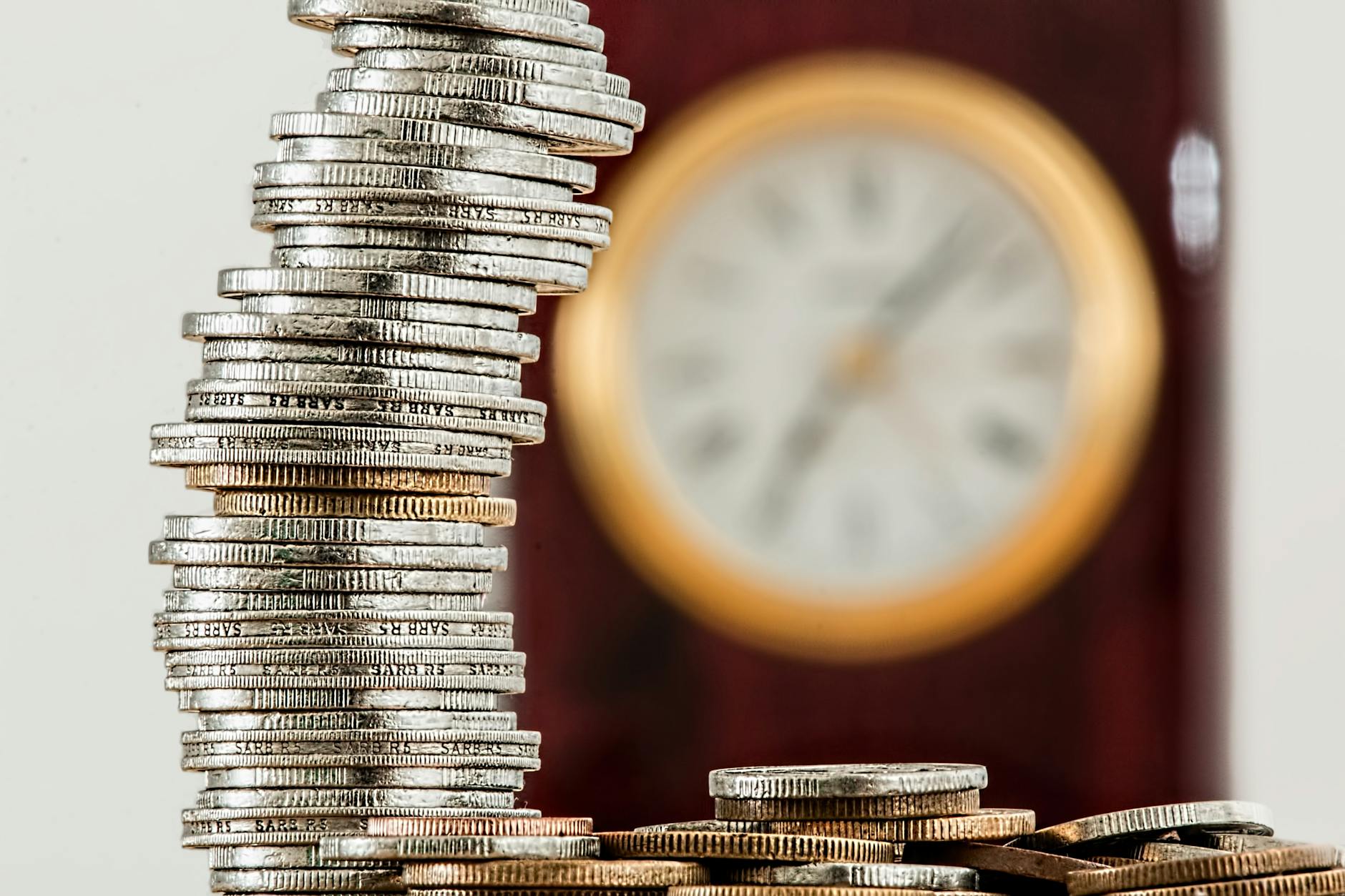
This intricate financial web means that the Templars would have handled an incredible diversity of coinage. Their coffers in the Holy Land would have contained not just the silver deniers and oboles minted by the Crusader states like the Kingdom of Jerusalem or the Principality of Antioch, but also currency from across the known world. There would be Byzantine hyperpyra, Islamic gold dinars and silver dirhams from the very powers they fought against, and a vast array of European coins brought by traveling nobles and pilgrims. Each coin tells a story of this globalized medieval economy. A French *denier tournois* found in a dig near Acre hints at a French knight’s pilgrimage. An Islamic dirham in a European hoard might suggest trade or the spoils of war.
For the collector, this creates a fascinating and accessible field of study. You don’t necessarily need to find a coin explicitly stamped with a Templar cross—a subject of much debate among numismatists as to whether they even minted their own widespread currency. Instead, the quest is to acquire the coins they *used*. A silver denier from the reign of Baldwin III of Jerusalem, for example, is a coin that would have undoubtedly passed through Templar hands. Holding it, you can almost feel the weight of history. This was real money, used to pay soldiers, buy supplies for a castle, or fund the construction of a church. It connects you directly to the daily, practical reality of the Crusader states and the Templar’s central role within them. Each coin is a data point, a miniature entry in the grand, unwritten ledger of the Templar economy, revealing the flow of wealth and power that defined the age.
Deciphering the symbols: faith, power, and propaganda in metal
Medieval coins were far more than simple transactional tools; they were miniature canvases for projecting power, faith, and identity. In an era when a large portion of the population was illiterate, the imagery stamped onto a coin was one of the most effective forms of mass communication available to a ruler. For the Crusader states, surrounded by hostile territories, this function was especially critical. The coins they minted were declarations of their presence, their faith, and their right to rule in a foreign land.
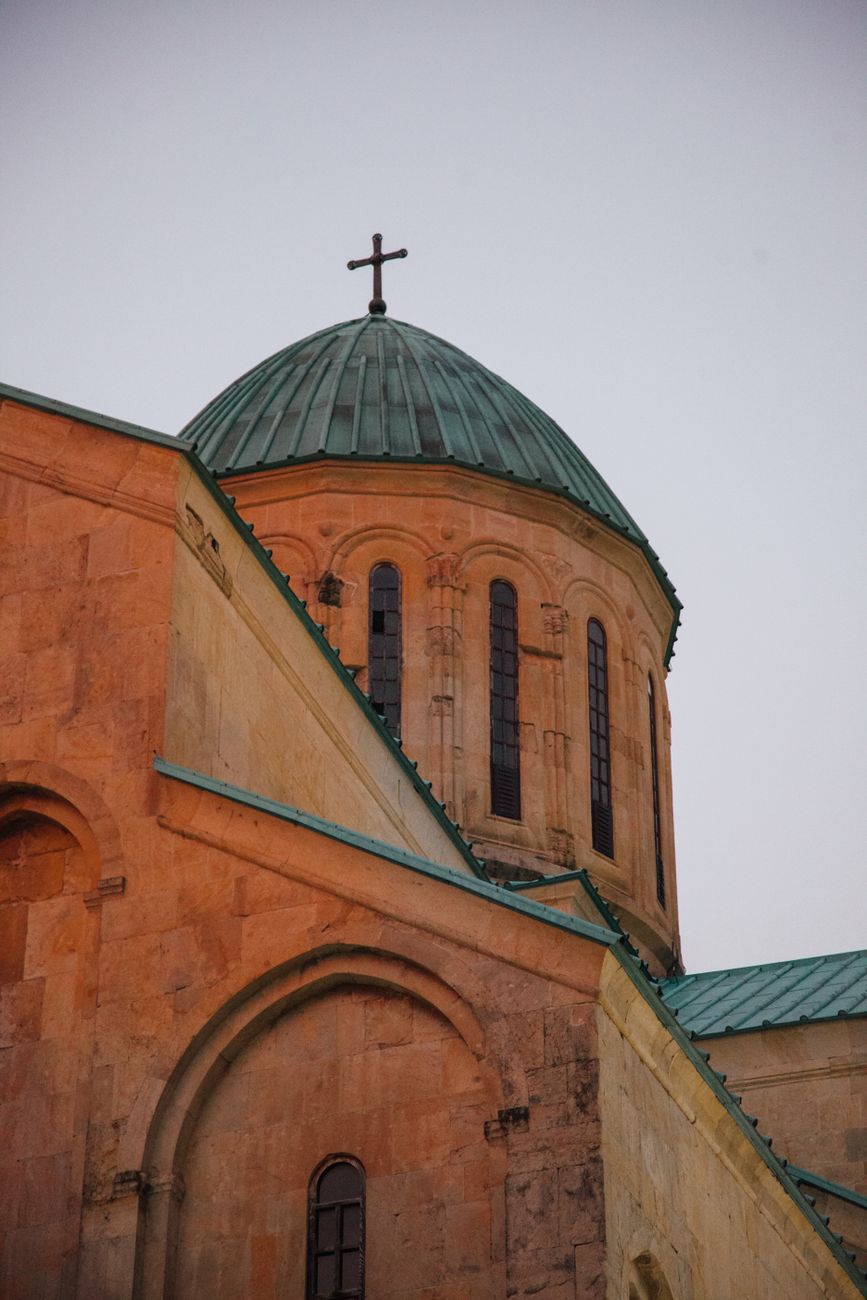
Examining the coinage of the Kingdom of Jerusalem, for instance, provides a masterclass in medieval symbolism. Early coins often depicted the Tower of David or the Church of the Holy Sepulchre, two of the most iconic and religiously significant structures in the city. This was a clear message: this land is Christian, protected by God, and these are its holy sites. The cross, in its many forms—the potent cross, the cross pattée—was a ubiquitous symbol, a constant reminder of the holy purpose of the Crusader’s mission. These were not just markers of value; they were talismans, portable icons of faith that every soldier, merchant, and pilgrim carried with them. The Latin script, proclaiming the name of the king and the city, further solidified their claim of sovereignty in a region dominated by Arabic script.
As a collector, learning to read this visual language is a deeply rewarding experience. You begin to notice the subtle changes in design from one ruler to the next, the degradation of artistic quality when a kingdom was under pressure, or the imitation of other powerful currencies to ensure acceptance in trade. The so-called ‘Crusader bezant’ is a fascinating example, where Christian rulers in the Holy Land minted gold coins that closely imitated the style and Arabic script of Islamic dinars, simply because that was the trusted, high-value currency of the region. They even included the date of the Islamic calendar and a garbled version of a Muslim religious declaration, a testament to the pragmatism that often trumped ideology in the world of trade. For a Templar enthusiast, these coins are a direct link to the complex, multifaceted world the Knights inhabited—a world of fervent faith, but also of practical economics and cultural exchange. Each symbol, each inscription, is a piece of propaganda, a statement of belief, and a clue to the political and religious climate of the time.
The collector’s quest: forging a tangible link to the past
Why does a modern individual seek out these small, ancient discs of metal? The allure of collecting Templar-era coins goes far beyond their monetary or metallic value. It is about a profound and deeply personal connection to the past. History, as read in books, can often feel abstract and distant. But to hold a physical object that was present during those tumultuous times is to bridge that gap. This coin was there. It may have been in the pocket of a knight preparing for the Siege of Acre, in a merchant’s purse in the markets of Tyre, or part of a payment deposited with the Templars for safekeeping. Its worn surfaces are a testament to the countless hands it passed through, each with their own story, their own hopes, and their own fears.

Beginning a collection can seem daunting, but it is a journey of discovery. The key is to start with research. Focus on a specific area that fascinates you. Are you drawn to the coins of the Kingdom of Jerusalem? The silver pennies of Richard the Lionheart’s England? The coinage of the Byzantine Empire that the First Crusaders encountered? Specializing allows you to build a deeper knowledge and a more coherent collection. Reputable dealers, online auction sites, and numismatic communities are invaluable resources for both acquiring coins and learning to identify them. You’ll learn to recognize the portraits of rulers, decipher Latin legends, and identify the mint marks that tell you where a coin was made.
Each new acquisition is a victory, the culmination of a hunt. You aren’t just buying an object; you are rescuing a story from being lost to time. As your collection grows, it becomes more than a sum of its parts. It becomes a personal museum, a curated narrative of the Crusades. You can trace the rise and fall of dynasties, the shifting of borders, and the clashing of cultures through the coins you assemble. It is, in essence, the ultimate Templar find. It may not be the Holy Grail, but in its own humble way, each coin is a sacred relic. It is a piece of the True Cross of history—a tangible, authentic fragment of the world the Knights Templar knew, built, and defended. Forging this connection, one coin at a time, is to keep their legacy not just remembered, but felt.

 Templar Uniform Editorial


