
In the quiet corners of our modern lives, many of us seek a connection to the past—to an era of unwavering faith, chivalric duty, and profound mystery. For enthusiasts of the Knights Templar, this connection is often found in the tangible pieces of their legacy, from the iconic white mantle to the stoic simplicity of their cross. Among the most personal and potent of these items are the coins. Whether you possess a genuine historical artifact, a high-quality replica, or a modern commemorative piece, a Templar coin is more than mere currency; it’s a pocket-sized testament to a legendary order. It whispers tales of pilgrimages, battles, and a pioneering international banking system. But what happens when such a treasure is dulled by time, dirt, or neglect? The answer is not simply to clean it, but to restore it. This guide will walk you through the sacred process of gently restoring your Templar coins and incorporating them into a home shrine—a personal sanctuary dedicated to the enduring spirit of the Poor Fellow-Soldiers of Christ and of the Temple of Solomon.
Understanding the treasure: the history and symbolism of templar coins
Before the first drop of water ever touches your coin, it is crucial to understand what you hold. The journey of restoration begins with knowledge and respect for the object’s history, whether that history is centuries old or a modern tribute. The Knights Templar, as an order, did not mint their own sovereign currency in the way a king or nation would. Instead, they used the currencies of the lands in which they operated, from the French denier to the silver dirhams of the Crusader States. Their financial prowess wasn’t in creating coins, but in masterfully managing them, creating the world’s first international banking system through letters of credit.

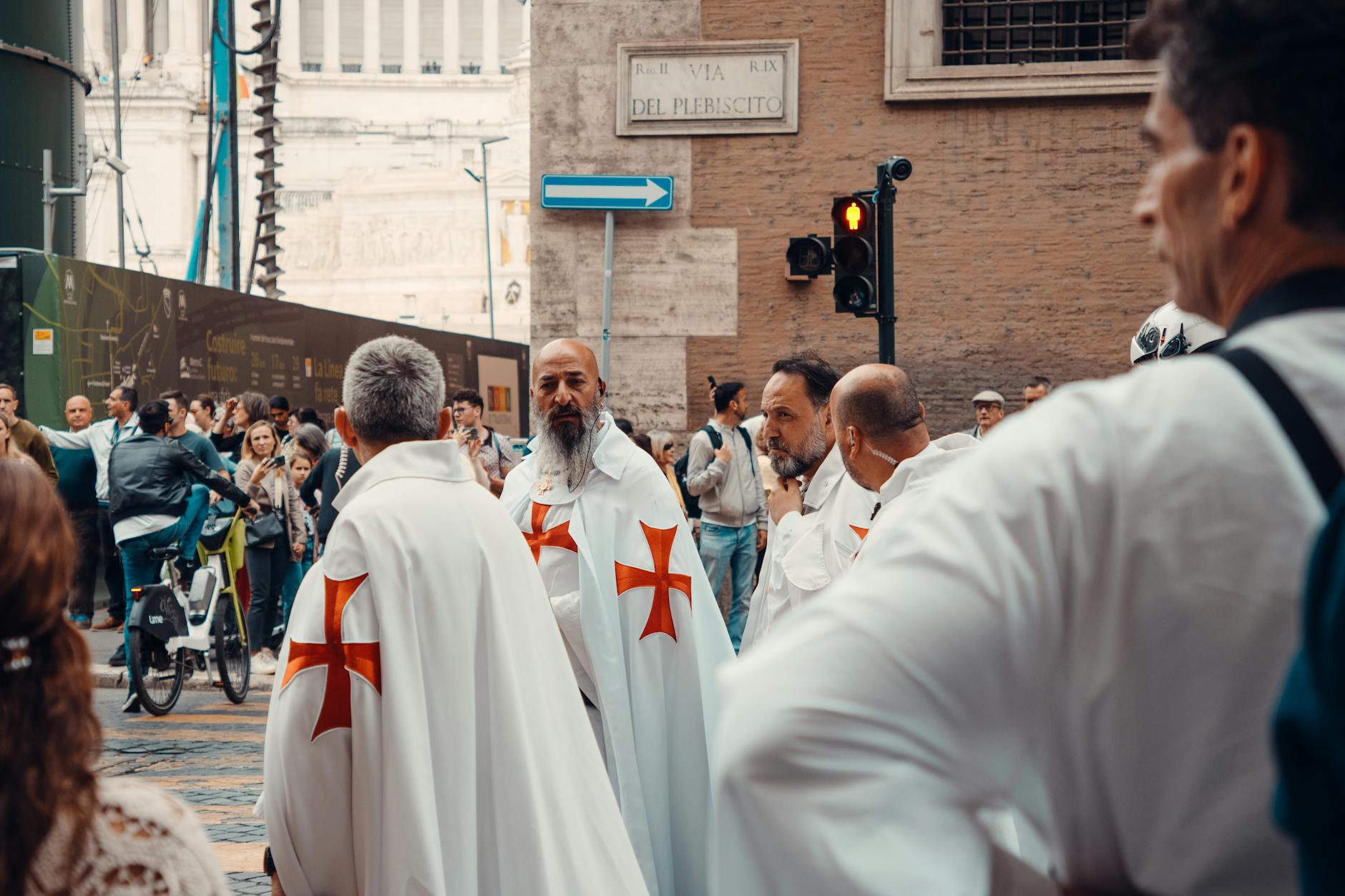
However, specific coins have become associated with the Templars over time. The most famous is the ‘denier’ of the Crusader Lordship of Oultrejordain, which some theories link to Templar influence. More commonly found today are modern replicas and artistic interpretations that bear the powerful iconography of the order. These are the pieces most of us will work with, and they are no less meaningful for their modern origins. Their value lies in the symbolism they carry.
Decoding the symbols
When you look at a Templar-themed coin, you are seeing a language of faith and identity. Understanding these symbols is the first step in appreciating its spiritual weight.
- The Two Knights on One Horse: Perhaps the most iconic Templar image, it represents the vow of poverty and the brotherhood of the order. It signifies that the first knights were so poor they had to share a single mount. Restoring a coin with this image is to honor their humility and fraternal bond.
- The Agnus Dei (Lamb of God): A lamb holding a cross or a banner is a direct representation of Jesus Christ as the sacrificial lamb. This was a symbol of their devotion to Christ and their role as his soldiers on Earth. It is a powerful reminder of the deep piety that was the bedrock of the order.
- The Templar Cross (Cross Pattée): The distinctive cross with arms that are narrow at the center and flare out at the ends was their banner and their brand. It was a mark of their identity worn on their white mantles. Each point of the cross is sometimes said to represent a chivalric virtue.
- The Dome of the Rock: Often depicted as a domed building, this represents the Al-Aqsa Mosque on the Temple Mount in Jerusalem, which served as the Templars’ first headquarters. It is a symbol of their origins and their sacred mission to protect pilgrims in the Holy Land.
Whether you have a replica cast in pewter or a silver commemorative coin, you are holding these stories in your hand. This is why our approach to cleaning must be one of reverence. We are not merely polishing metal; we are clearing away the dust of time to let the spirit of the order shine through. Before you begin any physical work, take a moment to study your coin. Identify its symbols. Reflect on what they mean to you. This meditative step transforms the act from a simple chore into a meaningful ritual.
The sacred art of restoration: a gentle approach to cleaning your coins
The word “restoration” is chosen carefully here over “cleaning.” Our goal is not to make an old-looking object appear brand new. The patina—the gentle aging and darkening that occurs on metal over time—is part of the coin’s character and story. Aggressively stripping it away can be a mistake, especially with genuine artifacts where the patina is a key component of its value and authenticity. For this reason, if you suspect you have a genuinely ancient and valuable coin, stop and consult a professional numismatist or conservator. The methods below are intended for modern replicas made of common metals like bronze, brass, pewter, or silver-plate, which make up the bulk of Templar-themed coins available today.
The restorer’s toolkit
You do not need a laboratory to perform this sacred work. Your tools should be simple and gentle.
- Distilled water (it is free of minerals that can spot the coin)
- A very soft-bristled brush (a child’s toothbrush is perfect)
- Mild, pH-neutral soap (unscented)
- Pure olive oil
- Baking soda
- A soft, lint-free cloth (like a microfiber cloth used for eyeglasses)
- A small bowl
Step-by-step restoration ritual
Step 1: The initial baptism (gentle wash)
Begin by soaking the coin in a small bowl of room-temperature distilled water for a few hours. This will loosen any surface dirt and grime without any physical abrasion. After the soak, take your soft-bristled brush and, with a tiny drop of mild soap, gently brush the surface of the coin in a circular motion. Apply no more pressure than you would when brushing a mushroom. The goal is to lift dirt, not scrub away the metal. Rinse thoroughly with distilled water and pat dry with your soft cloth.
Step 2: The olive oil anointing (for an aged patina)
For coins made of bronze or brass, an olive oil soak can work wonders. It is a time-honored method for gently cleaning ancient coins. Submerge your coin in a small container of pure olive oil and leave it for a few days, or even a week. The oil will slowly penetrate and lift ingrained dirt without harming the patina. Check it daily, using a wooden toothpick to gently nudge away softened grime. Once you are satisfied, remove the coin, wash it again with mild soap and distilled water to remove the oil, and pat dry.
Step 3: The brightening paste (for modern, non-valuable pieces)
If you have a modern pewter or silver-plated coin that you want to brighten slightly, a baking soda paste can be effective. Mix a small amount of baking soda with a few drops of distilled water to form a thin paste. Apply it with your fingertip and gently rub the surface. You will feel a very mild abrasive quality. Be sparing with this method; it is more aggressive than the others. It is best used for removing modern tarnish, not for enhancing a historical feel. Rinse immediately and thoroughly, then dry.
Step 4: The final polish and blessing
Once your coin is clean and completely dry, the final step is a gentle buff with a soft, dry cloth. This will bring out a soft luster without making the coin look unnaturally shiny. As you perform this final polish, hold the coin in your hands. Feel its weight. Observe the newly revealed details in its symbols. This is a moment to imbue the object with intent. Consider it a final blessing, preparing it for its place of honor in your shrine.
Building your sanctuary: incorporating restored coins into a home shrine
With your Templar coin now restored to a state of quiet dignity, it is ready to become the centerpiece of a personal sanctuary. A home shrine or altar is not an act of worship toward the Templars themselves, but a space for reflection, meditation, and a tangible connection to the ideals they represent: faith, discipline, courage, and charity. It is your personal corner of the world where the spirit of the order can be contemplated and honored. Creating this space is a deeply personal and rewarding process.
Elements of a templar shrine

Your restored coin is the heart, but the shrine can be built around it with other meaningful items. Consider it like assembling the uniform and accoutrements of a knight; each piece has a purpose and a place.
- The Foundation: Choose a small table, a shelf, or a dedicated space in a quiet room. Lay down a cloth to define the sacred area. A piece of white linen represents the Templar mantle and purity, while a piece of black or red cloth can represent their battle standard or martyrdom.
- The Cross: A simple Templar cross, made of wood or iron, should be a central feature. It is the ultimate symbol of the faith that guided every aspect of a knight’s life.
- Candlelight: A candle provides light and warmth, symbolizing the light of Christ and the eternal flame of the spirit. A simple white or beeswax candle is most appropriate. Lighting the candle can be the ritual that opens your time for reflection at the shrine.
- Natural Elements: Incorporate elements from nature, such as a stone, a piece of wood, or a small bowl of salt or earth. These connect the spiritual to the terrestrial, reminding us that the Templars were men of action in the physical world, not just monks in a cloister.
- The Coin’s Placement: Your restored coin should be given a place of prominence. You can place it on a small stand, lay it in front of the cross, or place it within a small dish. Its position should allow its details to be seen clearly. It can serve as a focal point for meditation—a ‘mandala’ of Templar history.
Using your shrine
This space is now yours. It can be a place where you start your day with a moment of quiet thought or end it with a reflection on your own personal ‘battles’ and virtues. You can simply sit in its presence, allowing the symbolism to seep into your consciousness. Holding the restored coin during these moments can be a powerful grounding technique. Its cool weight and textured surface connect you to the centuries of history and the immense legacy of the Knights Templar. It is a reminder that the quest for a principled life, guided by faith and a code of honor, is as relevant today as it was in the 12th century. Your shrine, with its carefully restored coin at its center, is a testament to the fact that the legend, truly, lives on in every stitch, every cross, and every humbly restored piece of metal.

 Templar Uniform Editorial


