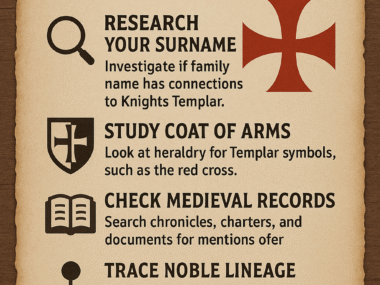
The image of a Knight Templar is etched into the very fabric of history—a warrior monk in a white mantle, emblazoned with a stark red cross, a symbol of faith, sacrifice, and an unshakeable code of honor. For many, this image is a relic, a figure confined to dusty history books and Hollywood epics. Yet, the flame of the Templar legacy was never truly extinguished. Today, it is carefully tended by a global network of modern knightly orders and clubs, groups dedicated to preserving the history, traditions, and, most importantly, the virtues that defined the original Poor Fellow-Soldiers of Christ and of the Temple of Solomon.
These modern orders are often misunderstood. A casual observer might dismiss them as mere historical reenactment societies or social clubs with a penchant for medieval pageantry. While the regalia is undeniably a part of their identity, it is merely the outward expression of a much deeper purpose. These organizations are not about reliving the past; they are about carrying its most valuable lessons into the future. They are custodians of a complex legacy, working to separate historical fact from popular myth and to embody the chivalric principles of charity, honor, and brotherhood in a world that desperately needs them. This is the story of why these modern guardians matter, and how they ensure the legend of the Templars continues to inspire in every stitch of their mantles.

Beyond reenactment: the modern mission of knightly orders
To understand the importance of modern Templar-inspired organizations, one must first look past the ceremonial swords and elaborate mantles. At their core, these groups are driven by a mission that is profoundly relevant to the 21st century. Their work is typically built upon three foundational pillars: philanthropy, historical preservation, and the cultivation of personal virtue. This is not a game of make-believe; it is a dedicated effort to translate ancient ideals into meaningful modern action.

Charity, or ‘caritas’, was a cornerstone of the original Templar Order. They were protectors of pilgrims and guardians of the faithful. Modern orders take this principle to heart, engaging in extensive philanthropic work. They are often registered non-profit organizations that raise significant funds for a wide array of causes, from supporting veterans and their families to funding medical research, providing disaster relief, and contributing to local community projects. This commitment to service directly counters the misconception of these groups as being purely self-indulgent. By dedicating their time, resources, and collective energy to helping others, they honor the Templar tradition of service in the most authentic way possible—not with a sword, but with an open hand.
Furthermore, these orders serve as vital educational hubs. In an age of rampant misinformation, they provide a structured environment for the serious study of Templar history. Members delve into primary sources, academic research, and archaeological findings to gain a nuanced understanding of the Order’s rise, its incredible influence, and its tragic downfall. This scholarly pursuit is crucial for separating the romanticized fiction from the historical reality. They host lectures, publish articles, and engage in thoughtful debate, acting as a bulwark against the conspiracy theories that so often cloud the public’s understanding of the Templars. By doing so, they preserve the true history, ensuring that the lessons and complexities of the past are not lost to sensationalism.
Perhaps most importantly, these groups are schools of character. They call upon their members to live by a modern code of chivalry. This isn’t about antiquated notions of courtly love, but about timeless virtues: integrity in business and personal life, loyalty to one’s community, courage in the face of adversity, and a commitment to defending the vulnerable. In a society that can often feel fractured and individualistic, these orders provide a framework for personal growth and ethical conduct. They remind us that honor is not an outdated concept but a daily practice, and that true strength lies in discipline, humility, and service to a cause greater than oneself.
The mantle of history: preserving templar traditions and attire
While the mission of modern knightly orders is focused on contemporary action, their identity is deeply rooted in the traditions and material culture of the past. The preservation of Templar symbolism, ritual, and, of course, the iconic uniform, is not an act of nostalgia. It is a powerful method of connecting with history and communicating the core values of the order. As our website’s ethos suggests, there is a legend to be found in every stitch, and these groups are the master weavers of that narrative.
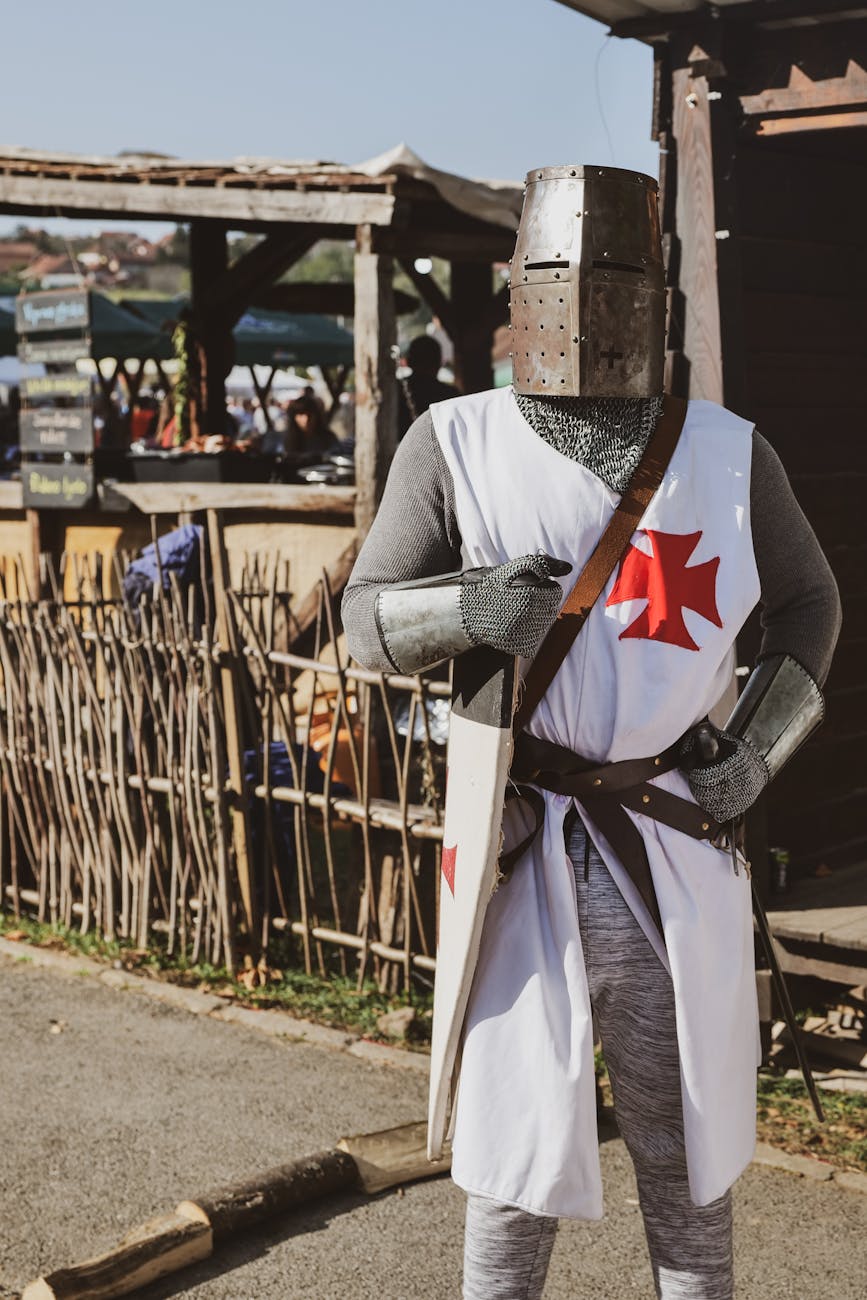
The uniform itself is the most visible link to the historical Order. The white mantle, reserved for the knighted brethren, symbolized a purity of life and a willingness to cast off the darkness of the world. The potent red cross, the ‘croix pattée’, was a later addition granted by Pope Eugenius III, signifying the wearer’s status as a ‘miles Christi’ (soldier of Christ) and their readiness for martyrdom. Modern orders treat this attire with immense reverence. It is not a costume but a ‘habit’ or ‘regalia’ worn during ceremonies, meetings, and charitable functions. The act of donning the mantle is a transformative one—a moment of reflection where a member sets aside their daily identity and steps into a role defined by centuries of history and a solemn commitment to the order’s principles.
Great care is taken to ensure the historical accuracy and symbolic integrity of the uniform. Many groups conduct extensive research into the fabrics, cuts, and specific designs used in the 12th and 13th centuries. They understand that the simple, unadorned wool of the original mantles reflected the Order’s vow of poverty. They study the precise shape and placement of the cross, knowing it represents a specific historical and spiritual identity. This attention to detail is a form of active preservation. It prevents the dilution of Templar symbolism and serves as a constant, tangible reminder of the Order’s humble origins and profound purpose. By meticulously recreating the attire, they keep the material culture of the Templars alive and accessible.
Beyond the uniform, these organizations are the living repositories of Templar ritual and ceremony. While the exact rites of the historical Order are largely lost to time, modern groups have developed ceremonies based on historical accounts, Masonic traditions, and the chivalric ethos. These rituals are not empty theatre. They are structured experiences designed to impart history, reinforce the order’s moral code, and create a powerful sense of shared identity. An investiture ceremony, where a new member is knighted and receives their mantle, is a profound and solemn event. It uses symbolism—the sword, the spurs, the mantle—to teach lessons about duty, honor, and the lifelong commitment the new knight is making. These ceremonies are the lifeblood of the tradition, transmitting the legacy from one generation to the next in a way that a book or a documentary simply cannot.
Forging a modern brotherhood: the power of community and shared purpose
In an increasingly digital and often isolating world, the human need for genuine connection and a sense of belonging has never been stronger. This is, perhaps, the most vital function of modern knightly orders. They are not merely collections of individuals with a shared interest in history; they are true fraternities, or brotherhoods and sisterhoods, forged through shared values, a common purpose, and mutual respect. They provide a space where camaraderie and support are paramount, echoing the close-knit bonds that were essential for the survival and success of the original Templar knights.

People are drawn to these organizations for a multitude of reasons, but a common thread is the search for meaning. They seek to connect with something ancient, noble, and larger than their own individual lives. A modern knightly order offers just that—a direct link to a powerful historical narrative and a structured way to live a life of principle. The community becomes a source of inspiration and accountability. Members are surrounded by peers who are also striving to live up to the ideals of chivalry, creating a positive feedback loop that encourages personal growth, ethical behavior, and a commitment to service.
This sense of community extends far beyond local chapter meetings. Many of these orders are international in scope, with priories and commanderies in countries all over the world. This creates a global network of like-minded individuals, a modern brotherhood that transcends national, cultural, and political boundaries. A member can travel to another city or country and find a welcoming hand from a fellow brother or sister in the order. This international dimension mirrors the multinational character of the original Knights Templar, who drew members from across Christendom to unite under a single banner. This global fellowship fosters a broader worldview and reinforces the idea that the principles of honor and service are universal.
Ultimately, the enduring power of these groups lies in their ability to pass the torch. They are living, breathing institutions dedicated to ensuring the Templar legacy is not something that is simply remembered, but something that is actively practiced. Senior members mentor new aspirants, teaching them not only the history and rituals but also the intangible lessons of leadership, integrity, and fellowship. They are ensuring that for generations to come, there will be men and women ready to don the white mantle, not as a costume, but as a public declaration of their commitment to charity, their respect for history, and their unwavering belief in the power of a modern chivalric code. They are the guardians of the flame, and thanks to them, its light continues to shine brightly in the modern world.

 Templar Uniform Editorial