The Templar Fleet: A Necessity, Not a Luxury
When one imagines a Knight Templar, the image that often springs to mind is that of a formidable warrior on horseback, clad in distinctive white surcoat emblazoned with the red cross, charging across dusty plains. Yet, this iconic land-based image only tells half the story of an order whose influence stretched far beyond the battlefields of the Holy Land. The very existence and sustained power of the Knights Templar, and indeed the entire Crusader enterprise, hinged upon a less celebrated but equally crucial domain: the sea. Without a robust maritime presence, the flow of men, supplies, and wealth between Europe and the Levant would have been impossible, leaving the Crusader states isolated and vulnerable. 
The logistical challenges of maintaining a permanent military presence thousands of miles from home were immense. Every knight, every horse, every weapon, and every barrel of provisions had to be transported across the treacherous waters of the Mediterranean. This wasn’t merely about chartering a few ships; it demanded a sophisticated, well-organized, and well-funded naval operation. The Templars, with their burgeoning wealth and strategic foresight, quickly recognized this imperative. They understood that control of the sea lanes was not a luxury, but a fundamental pillar of their mission to protect pilgrims and defend the Latin East.

From their earliest days, the Order began to acquire and operate its own fleet, evolving from simple transport vessels to formidable warships capable of defending convoys and projecting power. This maritime arm was as vital as their cavalry, ensuring the continuous reinforcement of their garrisons and the resupply of their fortresses. Imagine the sight of Templar ships, their sails billowing, bearing the distinctive red cross, cutting through the waves – a symbol of hope for pilgrims and a warning to their enemies. 
This commitment to naval power was a testament to their pragmatic approach to warfare and logistics. It allowed them to bypass hostile land routes, transport goods more efficiently, and even evacuate forces when necessary. The sea was their highway, their lifeline, and a silent partner in their legendary exploits, often overlooked in the romanticized tales of chivalry and land battles. Their maritime prowess was an integral part of the Templar identity, a practical extension of their vow to protect the faithful.
Masters of the Mediterranean: Naval Operations and Trade
The Templars’ maritime activities extended far beyond mere transportation. They became adept masters of Mediterranean naval operations and a significant force in the region’s burgeoning trade networks. Their ships patrolled vital sea lanes, protecting pilgrim convoys and merchant fleets from piracy and hostile naval forces. This protective role was not just a service; it was a strategic imperative that solidified their influence and generated substantial revenue, further fueling their military and economic might. 
Their naval capabilities allowed them to engage in direct military actions at sea, though less frequently documented than their land battles. Templar ships participated in blockades, transported siege engines, and even engaged in naval skirmishes, demonstrating a versatility that few other military orders could match. They were not just knights on land; they were also sailors and strategists of the waves, adapting their martial skills to the unique challenges of naval warfare. The discipline and organization that characterized their land forces were equally evident in their maritime divisions.
Beyond military operations, the Templars leveraged their fleet for extensive commercial ventures. They transported goods, acted as customs agents, and facilitated trade between East and West. Their ships carried spices, silks, and other valuable commodities from the Levant to European markets, and returned with timber, metals, and foodstuffs. This vast commercial network transformed them into one of the wealthiest and most influential entities of the medieval world. Their maritime trade was a critical component of their financial empire, enabling them to fund their military campaigns, build impressive fortresses, and maintain their vast network of preceptories across Europe. 
The wealth generated from these maritime endeavors was then channeled back into the Order, supporting their knights, maintaining their uniforms and equipment, and funding their charitable works. This self-sustaining economic model, heavily reliant on their control of the seas, allowed them a degree of independence and power that was unparalleled. Their red cross, visible on their sails, became a recognized symbol of both military might and commercial reliability across the Mediterranean, a testament to their dual role as warrior-monks and astute businessmen.
Templar Ports and Fortifications: Strategic Hubs
To support their extensive maritime operations, the Knights Templar established and controlled a network of strategic ports and formidable coastal fortifications. These hubs were not merely docking points; they were vital logistical centers, shipyards, storehouses, and defensive strongholds that anchored their power across the Mediterranean. Cities like Acre, their de facto capital in the Holy Land, became bustling centers of Templar activity, where their ships could be repaired, resupplied, and their crews rested. 
The Templars invested heavily in infrastructure, building and maintaining docks, warehouses, and even lighthouses. Their control over key ports granted them immense strategic advantages, allowing them to dictate terms of trade, levy taxes, and ensure the swift movement of their own assets. These ports were often heavily fortified, featuring imposing walls, towers, and garrisons of Templar knights, ready to defend against both land and sea attacks. The synergy between their naval power and their fortified coastal strongholds created an almost impenetrable defensive line along parts of the Levantine coast.
Consider the scale of their operations: from the bustling port of Marseille in the West, a major embarkation point for crusaders, to the crucial harbors of Tortosa and Sidon in the East. Each location served a specific purpose within their vast network. Marseille, for instance, was a primary hub for recruitment, fundraising, and the organization of pilgrim voyages. In the Holy Land, their coastal castles, such as the formidable Château Pèlerin (Atlit), stood as guardians of the sea, projecting Templar authority and protecting shipping lanes. 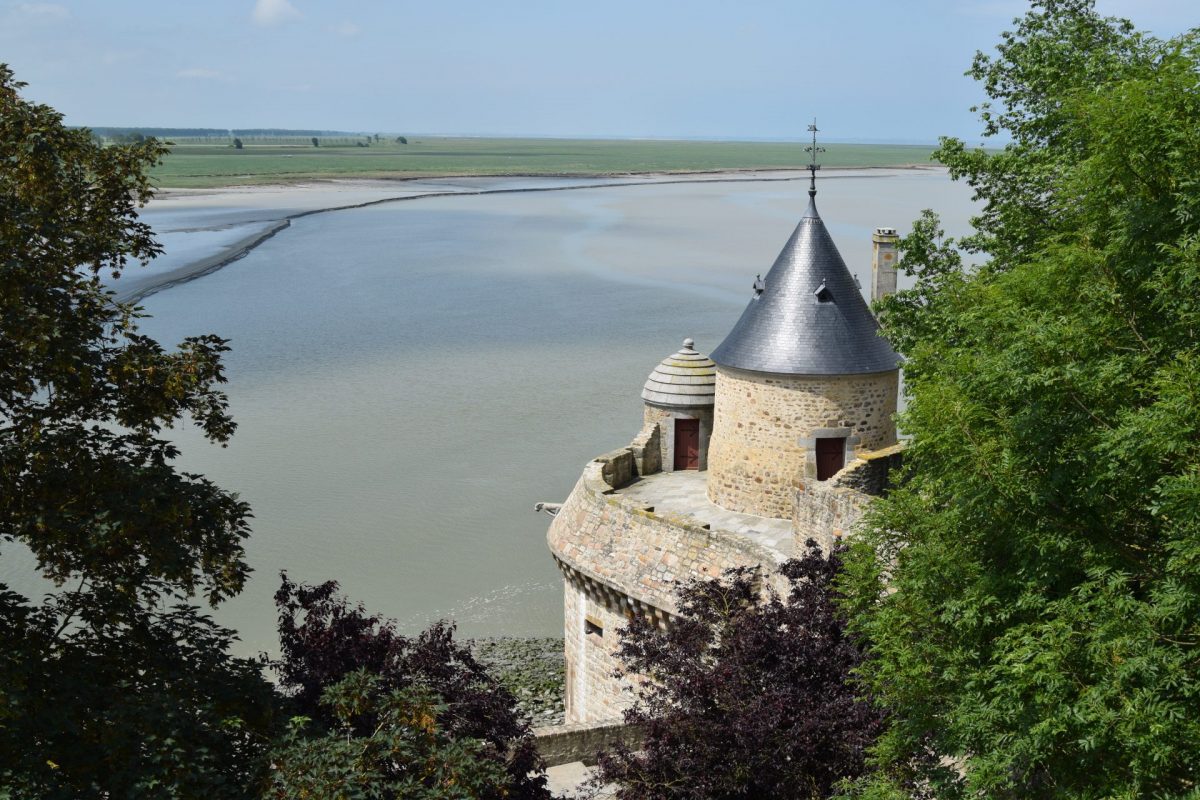
These strategic hubs were more than just military bases; they were economic powerhouses. They facilitated the exchange of goods, ideas, and cultures, making the Templars central figures in the intricate web of medieval Mediterranean society. The very design and construction of these fortresses reflected their dual purpose: to defend the land and to control the sea, embodying the Order’s comprehensive approach to power and protection. Their presence in these ports was a constant reminder of their enduring commitment to the Holy Land and their mastery of both land and sea.
Symbolism on the Seas: The Cross and the Waves
The symbolism of the Knights Templar, so potent on land, extended powerfully to their maritime endeavors. The iconic red cross on a white field, instantly recognizable on the surcoats of their knights, was also proudly displayed on the sails and banners of their ships. This emblem was more than just an identification mark; it was a potent symbol of their divine mission, their unwavering faith, and their commitment to protecting Christendom. For pilgrims embarking on the perilous journey to the Holy Land, the sight of a Templar ship, bearing that sacred cross, must have been a profound source of comfort and reassurance. 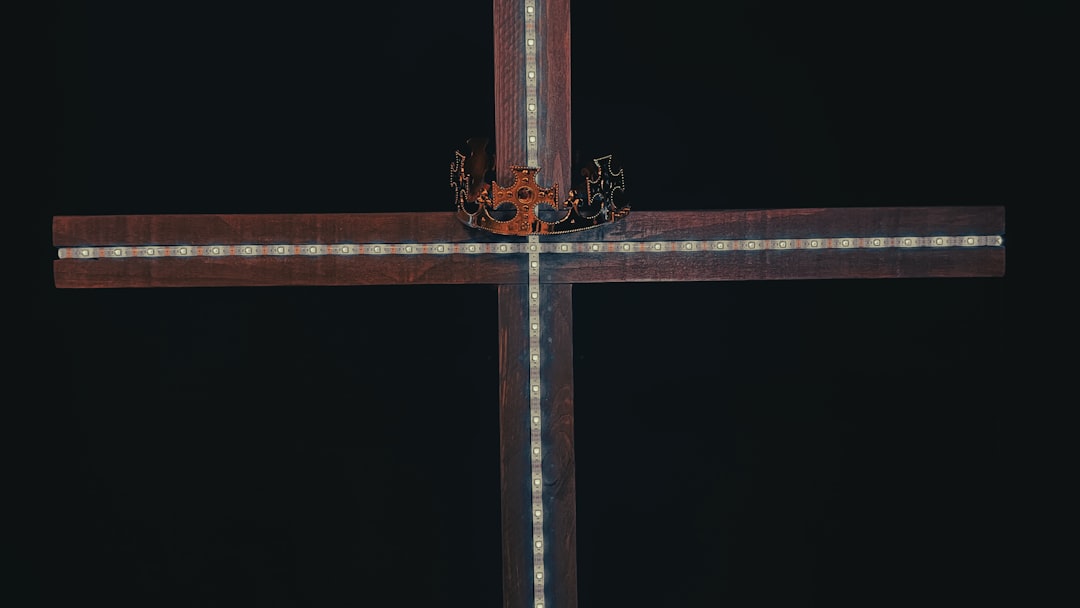
The sea itself, with its vastness and unpredictable nature, held deep symbolic meaning in the medieval mind. It was a realm of both danger and opportunity, a metaphor for the spiritual journey and the trials of faith. For the Templars, navigating these waters was an extension of their spiritual warfare, a testament to their courage and their belief in divine providence. Their ships, carrying the cross, were seen as vessels of God’s will, traversing the watery expanse to fulfill a sacred purpose. This spiritual dimension imbued their maritime power with an aura of sanctity and purpose.
The distinctive Templar uniform, with its stark simplicity and powerful symbolism, would have been present even on board their vessels. Imagine the knights, perhaps in lighter attire suitable for sea travel, but always with the cross visible, standing watch on deck. This consistent visual identity reinforced their brand, their mission, and their formidable reputation, whether on the dusty plains of Outremer or the rolling waves of the Mediterranean. The cross on their sails and on their chests proclaimed their identity and their unwavering dedication to their cause, making them a beacon of hope and a force to be reckoned with across all domains. 
Echoes in the Tides: The Enduring Legacy of Templar Seafaring
Though the Knights Templar met a tragic end in the early 14th century, their profound impact on medieval maritime history, often overshadowed by their land-based exploits, continues to resonate. Their innovative approach to logistics, their sophisticated naval operations, and their extensive network of ports laid foundations that influenced later naval powers and commercial enterprises. They demonstrated how a military order could effectively integrate economic and logistical power with martial prowess, creating a self-sustaining and formidable entity. Their legacy reminds us that true power often lies in versatility and adaptability, mastering all domains necessary for success. 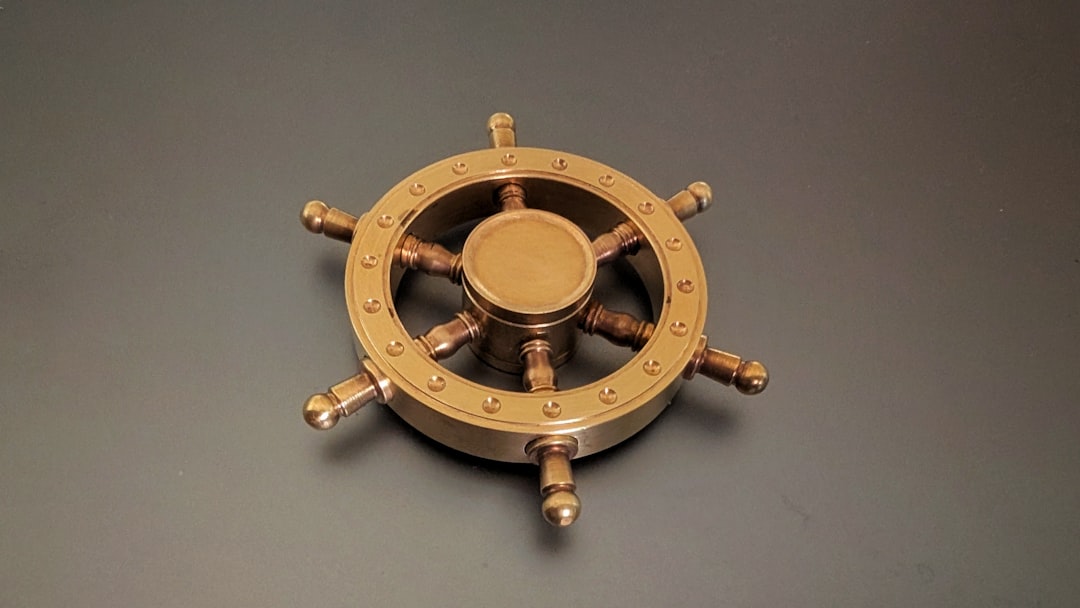
The story of the Knights of the Sea challenges us to look beyond conventional narratives and appreciate the multifaceted nature of this legendary order. It reveals a Templar organization that was far more complex and strategically astute than often portrayed, capable of managing vast resources and operating across diverse environments. Their maritime achievements were not just footnotes in their history; they were central to their ability to sustain the Crusader states and project their influence across continents. This deeper understanding enriches our appreciation for their historical significance and their enduring mystique.
Today, as we delve into the history of the Knights Templar, we are invited to consider the full scope of their influence – from the iconic uniforms that symbolized their dedication to the unseen fleets that carried their destiny across the waves. The echoes of their ships still whisper through the tides of history, reminding us of an order that truly mastered land and sea, leaving an indelible mark on the medieval world. What other hidden depths of Templar history await our discovery, challenging our perceptions and unveiling new facets of their legendary journey? 
 Templar Uniform Editorial