
The enduring allure of the past continues to shape contemporary fashion, with medieval aesthetics finding a compelling new expression in modern streetwear. This guide delves into how the grandeur and practicalities of medieval attire, particularly the iconic imagery associated with figures like the Knights Templar, are reinterpreted for today’s urban landscape. Far from being a mere costume, this fusion represents a thoughtful blend of historical gravitas and contemporary comfort, offering a unique sartorial statement that resonates with a sense of heritage and bold individuality.
Historical Echoes in Contemporary Design
Templar Shield Tee

From the battlefield to your wardrobe — the Templar Shield shirt.
🇺🇸 Fast US shipping · 🇪🇺 Ships across the EU · 🔒 Secure checkout
The silhouettes and functional elements of medieval clothing, once dictated by necessity and social hierarchy, now serve as inspiration for designers seeking depth beyond fleeting trends. From the flowing lines of tunics and cloaks to the structured forms of protective gear, these historical garments offer a rich vocabulary for modern interpretation. The austere yet commanding presence of a Knight Templar, for instance, with their distinctive white mantle and red cross, embodies a timeless aesthetic of disciplined strength and clear identity.
In recent years, we’ve observed a growing appreciation for garments that convey both comfort and a sense of narrative. Streetwear, known for its adaptability and embrace of diverse influences, has become a natural canvas for this historical dialogue. Designers are not simply replicating medieval styles but extracting their essence – the layering, the robust materials, the symbolic embellishments – and translating them into pieces that feel relevant and wearable in a 21st-century context. This approach allows for a respectful nod to the past while firmly grounding the style in the present.
Key Medieval Elements Reimagined
One of the most recognizable medieval influences in modern streetwear is the reinterpretation of traditional layering. Tunics, once foundational garments, now appear as elongated tees or hooded tops, often paired with slimmer trousers or cargo pants. The dramatic sweep of a medieval cloak or mantle finds its modern equivalent in oversized hoodies, longline coats, or even specialized technical ponchos, offering both style and practical protection from the elements. These pieces often feature contemporary cuts and materials, ensuring they integrate seamlessly into a modern wardrobe.

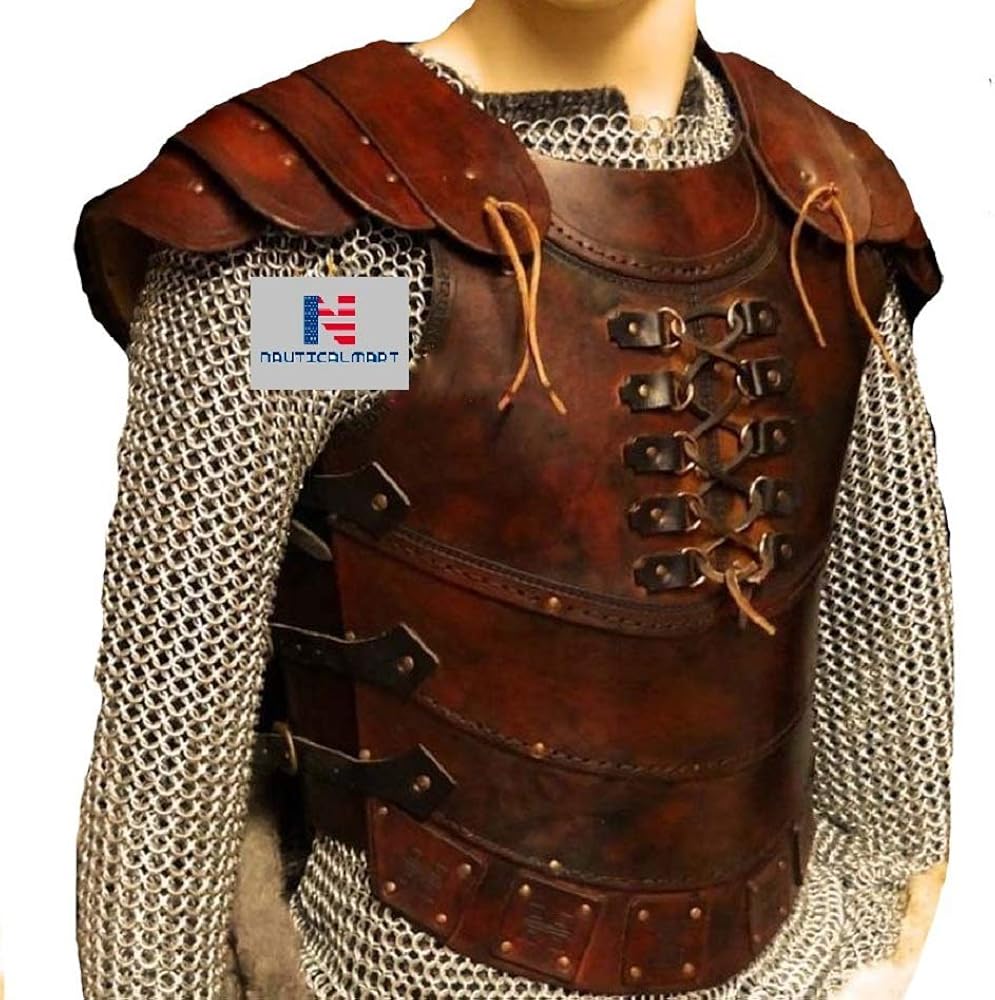
Armor-inspired details also feature prominently, albeit in a softened, more abstract form. Think reinforced shoulders on jackets, quilted patterns reminiscent of gambesons, or even metallic hardware that evokes the buckles and plates of a knight’s ensemble. While not functional armor, these elements add a structural integrity and a subtle warrior aesthetic that aligns with streetwear’s often bold and assertive character. Heraldic motifs, once symbols of lineage and allegiance, are now repurposed as graphic prints or embroidered patches, allowing wearers to express personal identity or affiliation with contemporary subcultures.
Fabrics and Textures: Bridging Eras
The material palette of medieval times, largely confined to wool, linen, and leather, provided durability and warmth. Today, designers draw upon this heritage while integrating advanced textiles. Heavy cotton twills, robust denim, and technical nylons offer similar resilience to historical fabrics but with enhanced comfort and weather resistance. The tactile quality of these modern materials, often featuring subtle textures or matte finishes, helps to ground the medieval-inspired designs in a contemporary aesthetic, moving them away from costume and towards everyday wear.
Furthermore, the contrast between rough and refined textures, a hallmark of medieval attire where coarse wool might be paired with fine embroidery, is echoed in modern streetwear. Combining a rugged, canvas-like jacket with a soft, elongated jersey top, or incorporating leather accents into a technical fabric ensemble, creates visual interest and depth. This thoughtful interplay of materials is crucial for achieving a balanced look that feels both historically informed and distinctly modern, avoiding an overly theatrical appearance.
Symbolism and Emblems in Modern Context
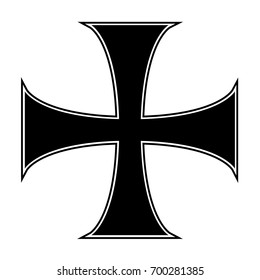
Medieval symbolism, rich with meaning and historical narrative, offers a powerful visual language for contemporary expression. The cross, a universal symbol with deep roots in medieval Christianity and famously associated with the Knights Templar, is a prominent motif. In streetwear, it appears in various forms – from minimalist embroidery to bold graphic prints – often stripped of its original religious context and reinterpreted as a symbol of defiance, unity, or simply a striking design element. This recontextualization allows for a broader appeal, resonating with diverse audiences.
Beyond the cross, other heraldic devices, sigils, and stylized animal motifs from medieval art are finding new life. These emblems, once signifying noble houses or military orders, are now adopted by brands and individuals to convey a sense of heritage, strength, or a particular aesthetic allegiance. The key lies in their thoughtful application: whether subtly integrated into a pattern, prominently displayed as a patch, or reimagined with contemporary graphic design sensibilities, these symbols add layers of meaning and visual intrigue to streetwear pieces, connecting the wearer to a lineage of powerful imagery.
Styling the Look: Practical Integration
Integrating medieval-inspired elements into a modern streetwear wardrobe requires a balanced approach. The goal is not to create a full historical ensemble but to infuse contemporary outfits with subtle nods to the past. Start with one or two key pieces, such as a longline tunic-style hoodie or a jacket with armor-inspired quilting. Pair these with modern staples like slim-fit jeans, technical joggers, or minimalist sneakers to create a cohesive and wearable look. The contrast between historical influence and modern practicality is what makes this style compelling.
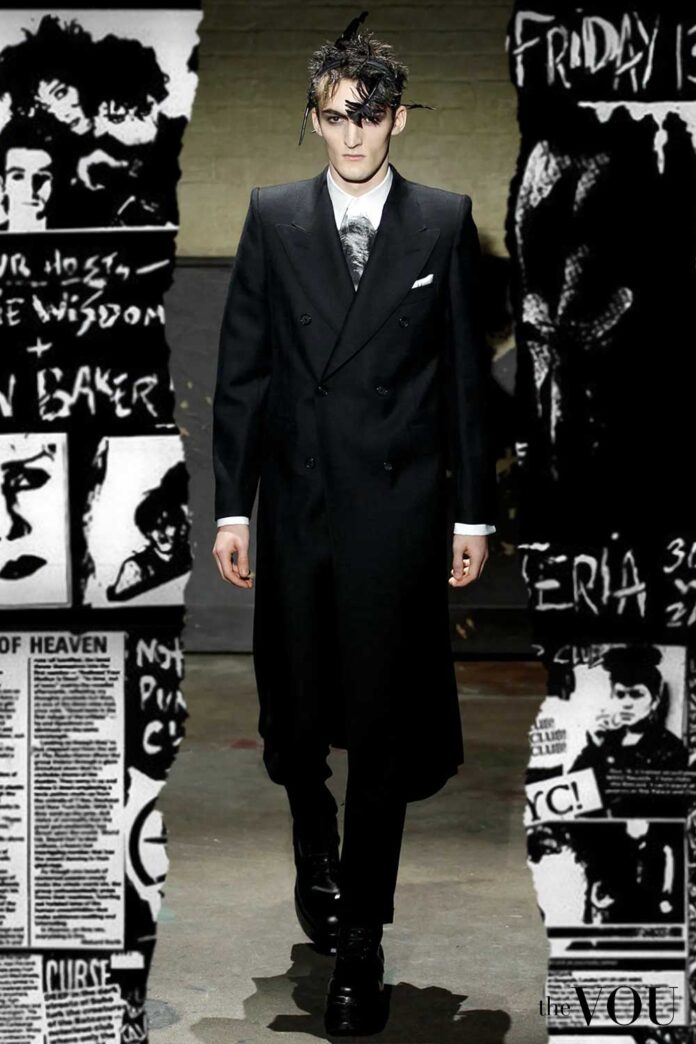
Layering is fundamental to both medieval and modern streetwear, making it an ideal bridge. Experiment with longer base layers under shorter jackets, or wear an oversized cloak-like coat over a more fitted outfit. Accessories can also play a significant role: consider a wide leather belt, a heavy chain necklace, or even a modern interpretation of a medieval pouch or satchel. The key is to maintain a sense of proportion and avoid overwhelming the outfit with too many historical details, ensuring the overall aesthetic remains grounded in contemporary fashion sensibilities.
The Enduring Appeal of Heritage Aesthetics
The ongoing fascination with medieval aesthetics in modern streetwear speaks to a deeper cultural yearning for authenticity, narrative, and a connection to history in an increasingly fast-paced world. This trend is more than just a passing fad; it represents a thoughtful exploration of how historical forms and symbols can be reinterpreted to express contemporary identities. As fashion continues to evolve, the dialogue between past and present will undoubtedly yield further innovative fusions, ensuring that the echoes of medieval grandeur, including the stoic elegance of the Knights Templar, continue to inspire and shape the future of urban style.

 Templar Uniform Editorial


