Introduction: The Enduring Allure of the Knights Templar
The Knights Templar, a monastic military order established in the early 12th century, continue to captivate the imagination of historians, enthusiasts, and the general public alike. Their story is a complex tapestry woven with threads of religious devotion, military prowess, immense wealth, and ultimately, a dramatic downfall. More than seven centuries after their official dissolution, their presence in cultural narratives remains remarkably strong.
This article delves into the multifaceted legacy of the Knights Templar, examining their historical trajectory, the symbolism embedded in their uniform, and the persistent lore that has cemented their place in contemporary consciousness. Understanding their journey offers valuable insights into medieval European society and the enduring power of myth.

Origins and Rise to Prominence
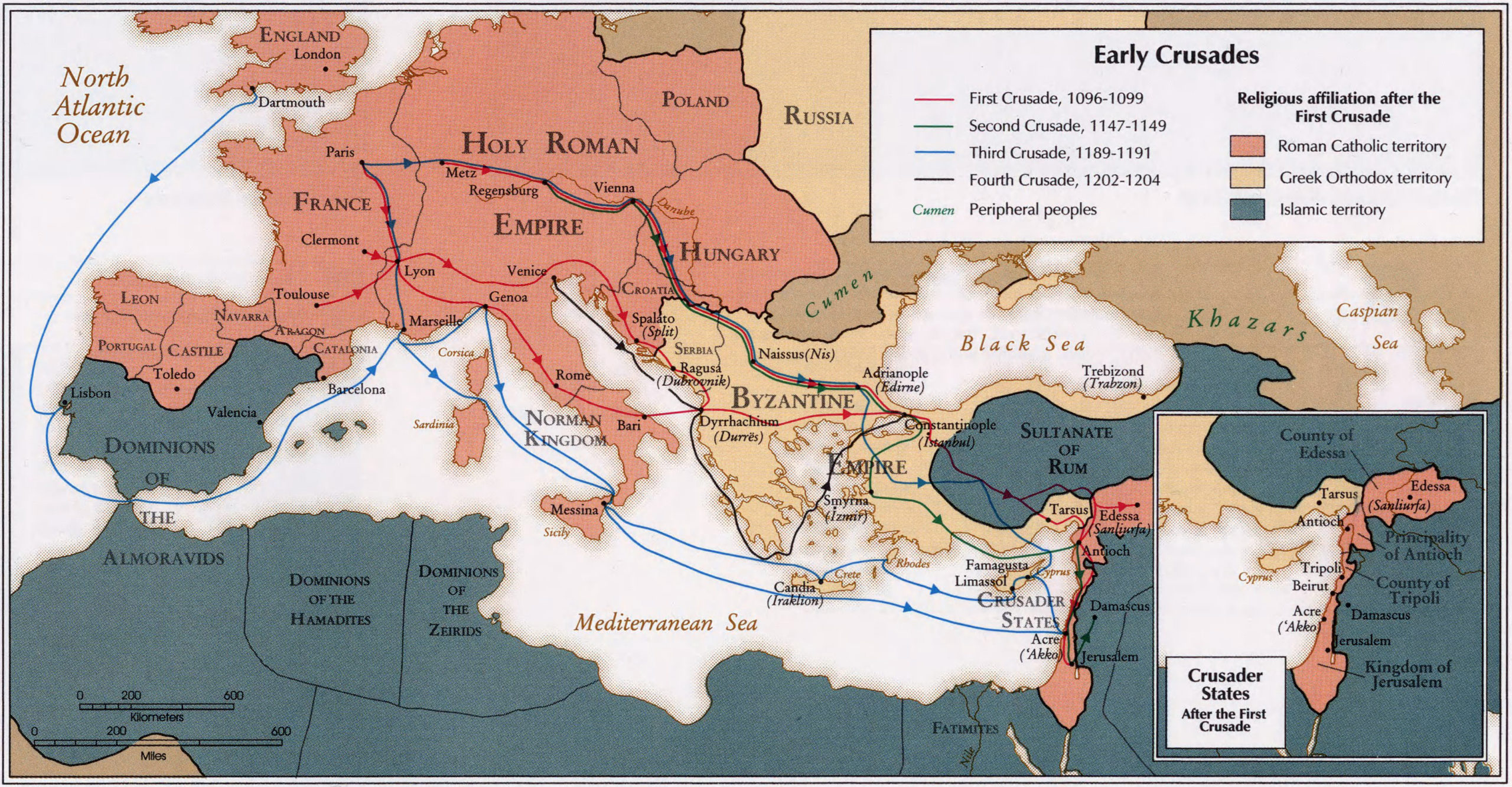
Founded in 1119 by Hugh de Payns and a small group of knights, the Poor Fellow-Soldiers of Christ and of the Temple of Solomon, or Knights Templar, initially aimed to protect Christian pilgrims traveling to the Holy Land. Their headquarters were established on the Temple Mount in Jerusalem, lending them their distinctive name. Their unique status as monk-soldiers, combining ascetic vows with martial duties, quickly gained papal approval and widespread support.
Over the next two centuries, the Order grew exponentially, acquiring vast lands, castles, and financial assets across Europe. They developed sophisticated banking systems, managed significant wealth, and became a formidable military force in the Crusader states. Their influence extended far beyond the battlefield, shaping political and economic landscapes of the era.
Symbolism and Distinctive Attire
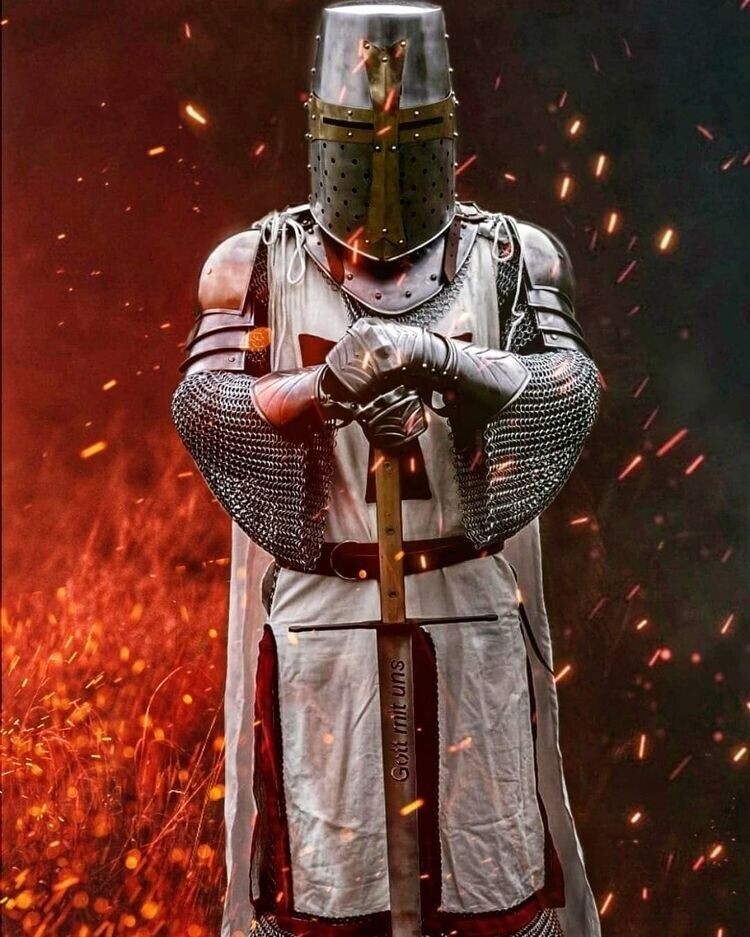
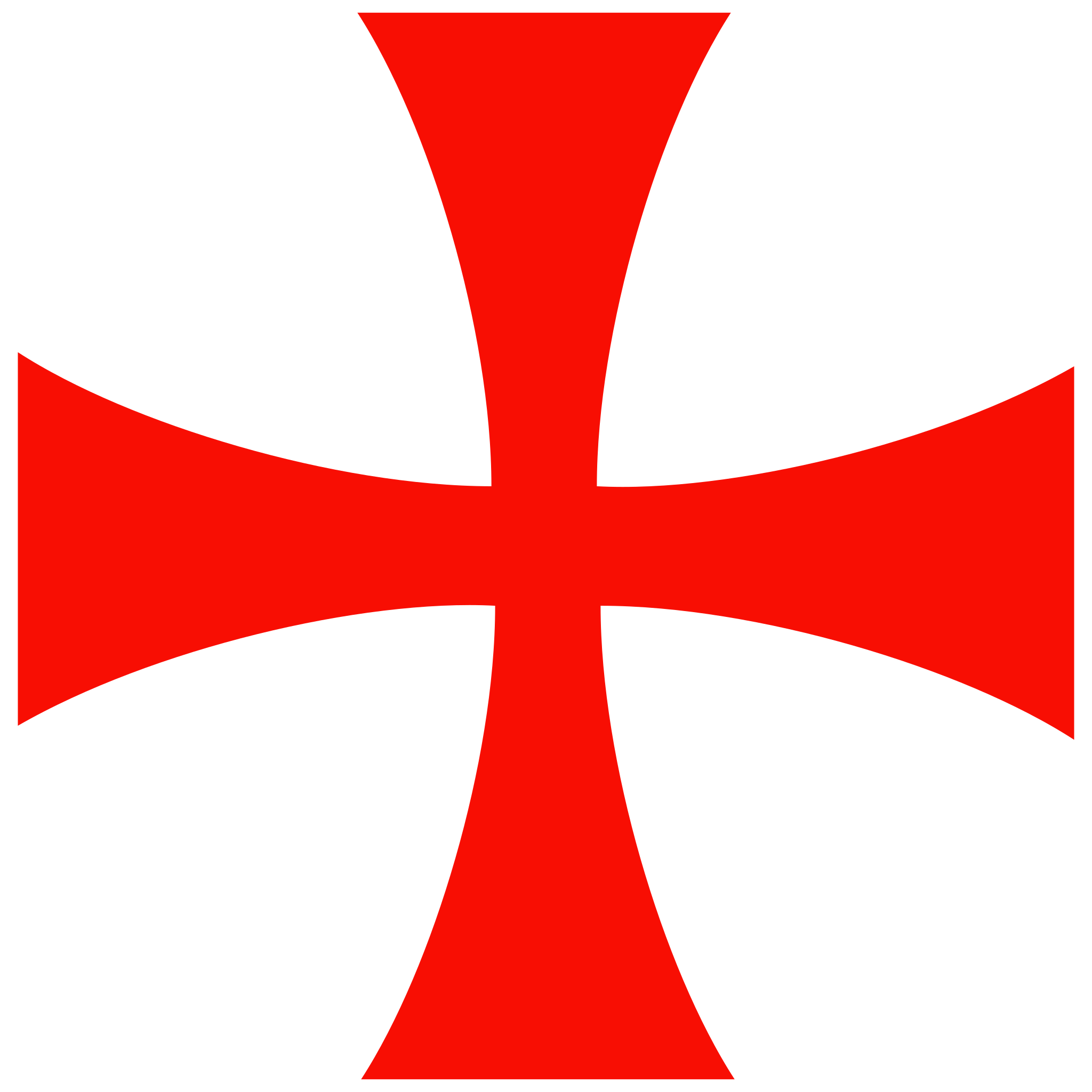
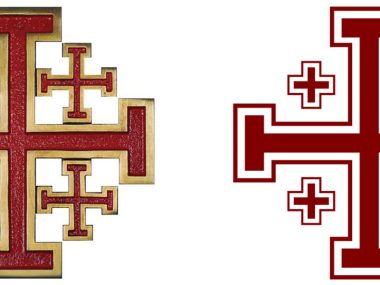
Central to the Templar identity was their distinctive uniform, which conveyed both their spiritual commitment and their martial role. The most iconic element was the white mantle, symbolizing purity and chastity, granted to them by Pope Honorius II. This was later adorned with a red cross, a potent symbol of martyrdom and their readiness to shed blood for Christ.
Beyond the mantle, their attire was practical for combat, consisting of chainmail, helmets, and shields. The simplicity and uniformity of their dress underscored their monastic discipline and collective identity, distinguishing them clearly on the battlefield and in society. This visual identity remains a powerful emblem of the Order today.
The Fall and Enduring Mystery
The Templars’ immense power and wealth eventually attracted the envy and suspicion of secular rulers, particularly King Philip IV of France, who was heavily indebted to the Order. In a coordinated effort, Templars across France were arrested on Friday, October 13, 1307, on charges of heresy, idolatry, and various other offenses. These accusations, largely extracted under torture, led to a series of trials.
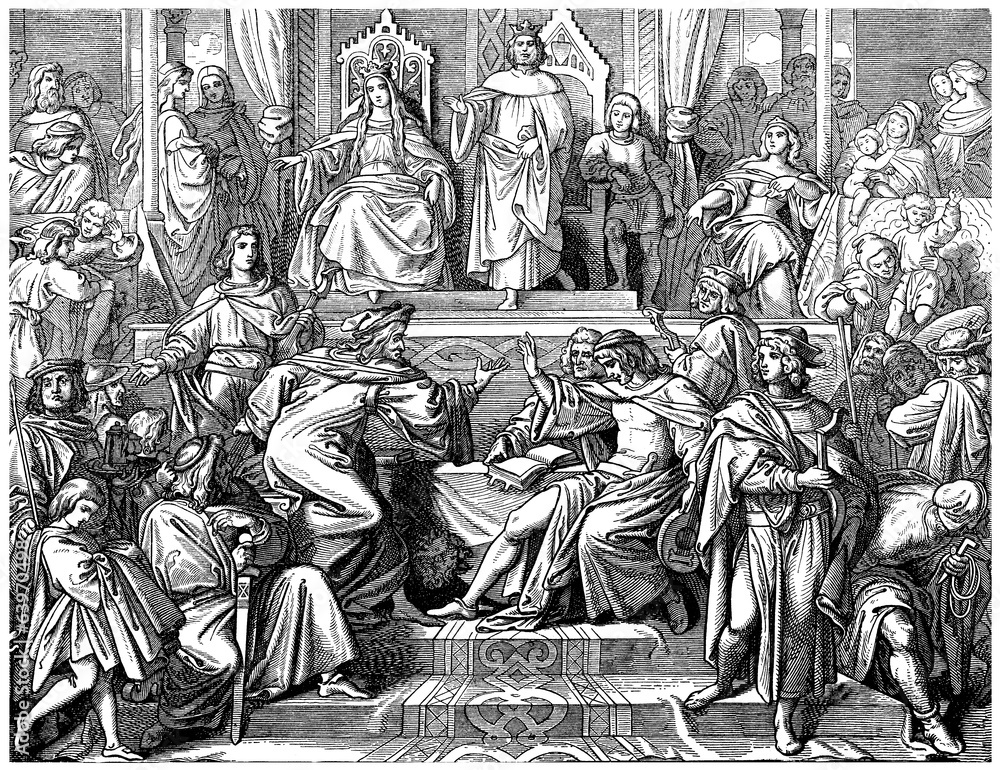
Despite many recantations, the Order was officially dissolved by Pope Clement V in 1312 through the papal bull Vox in excelso. The final execution of Grand Master Jacques de Molay in 1314 marked a dramatic end to the Order’s official existence. However, the sudden and brutal suppression, coupled with rumors of hidden treasures and secret knowledge, fueled a mystique that has persisted for centuries.
Legacy in Popular Culture and Lore
The dramatic narrative of the Knights Templar, from their heroic rise to their tragic fall, has made them a perennial subject in popular culture. Their story is frequently reinterpreted in literature, films, video games, and television series, often portraying them as guardians of ancient secrets, hidden relics like the Holy Grail, or progenitors of modern secret societies. This fictionalization often blends historical fact with speculative lore.
In recent years, the Templar image has been utilized across various media to represent themes of chivalry, conspiracy, and the pursuit of hidden truths. This widespread cultural presence ensures that the Order’s name and symbolism remain recognizable and intriguing to new generations, far removed from their medieval origins.
The Resonant Echoes of Chivalry and Mystery
The enduring legacy of the Knights Templar lies not just in their historical deeds but in their powerful symbolic resonance. They represent an archetype of the warrior-monk, dedicated to a higher cause, yet entangled in the complexities of power and politics. Their story continues to inspire discussions about faith, loyalty, betrayal, and the nature of historical truth versus popular myth.
As of early 2026, the fascination with the Knights Templar shows no signs of waning. Their narrative serves as a compelling reminder of how historical figures and events can transcend their original context, evolving into powerful symbols that reflect contemporary interests in history, mystery, and the timeless ideals of courage and conviction. The legend, it seems, is as robust as ever.
 Templar Uniform Editorial