The Enduring Mystique of the Knights Templar
Few historical orders capture the imagination quite like the Knights Templar. From their origins as humble protectors of pilgrims to their rise as one of the most powerful and enigmatic forces in medieval Europe, their story is steeped in legend and controversy. The enduring fascination with the Templars transcends centuries, influencing countless narratives in literature, film, and popular culture even today.
This article delves into the core elements of the Knights Templar’s timeless lore, exploring the historical realities that shaped their legacy and the myths that continue to thrive. We will examine their foundational principles, their distinctive identity, and the dramatic events that led to their dissolution, ultimately tracing how their story continues to resonate in the modern era.

Origins and the Call of the Crusades
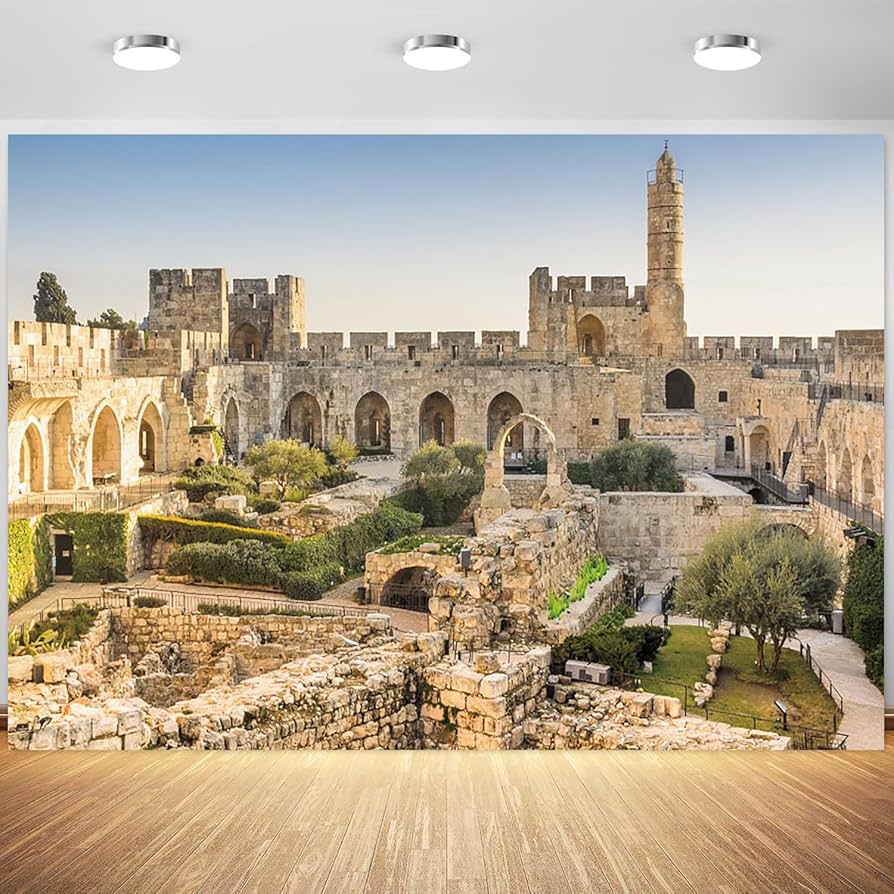
The Order of the Poor Knights of Christ and of the Temple of Solomon, commonly known as the Knights Templar, was founded in Jerusalem around 1119. Their initial mission was to protect European pilgrims traveling to the Holy Land after the First Crusade. This small band of knights, led by Hugues de Payens, quickly gained recognition for their piety and military prowess, operating from a wing of the royal palace on the Temple Mount, believed to be the site of Solomon’s Temple—hence their name.
Their formal recognition by the Church at the Council of Troyes in 1129, largely due to the advocacy of Bernard of Clairvaux, marked a pivotal moment. This endorsement provided them with a unique monastic-military rule and significant privileges, including exemption from local ecclesiastical authority. This papal backing fueled their rapid expansion, attracting donations of land, money, and recruits from across Europe, transforming them into a formidable force in the Crusader states.
Symbolism and the Iconic White Mantle
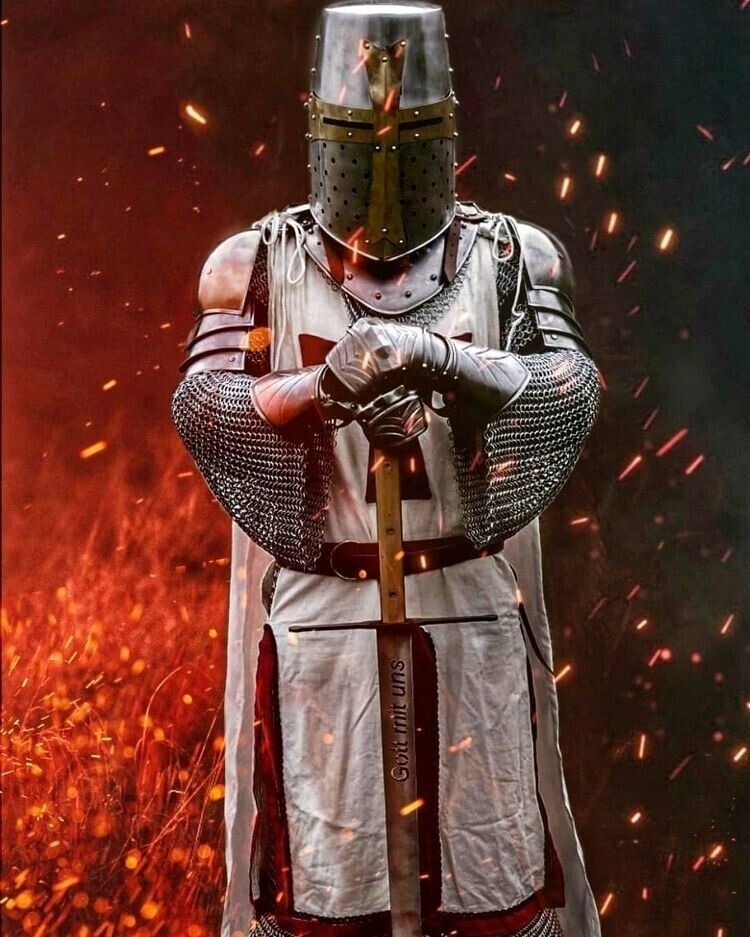
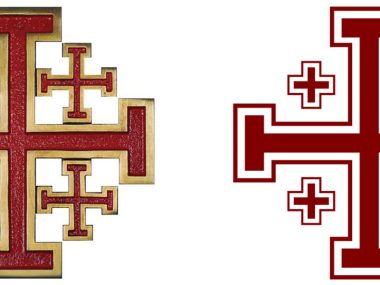
Central to the Templars’ identity was their distinctive attire and powerful symbolism. The most recognizable element was the white mantle, symbolizing purity and chastity, which was granted to them by Pope Eugenius III in 1145. Later, the iconic red cross, a symbol of martyrdom and sacrifice, was added to their mantles, worn over the left shoulder. This simple yet striking uniform immediately distinguished them on the battlefield and in society.
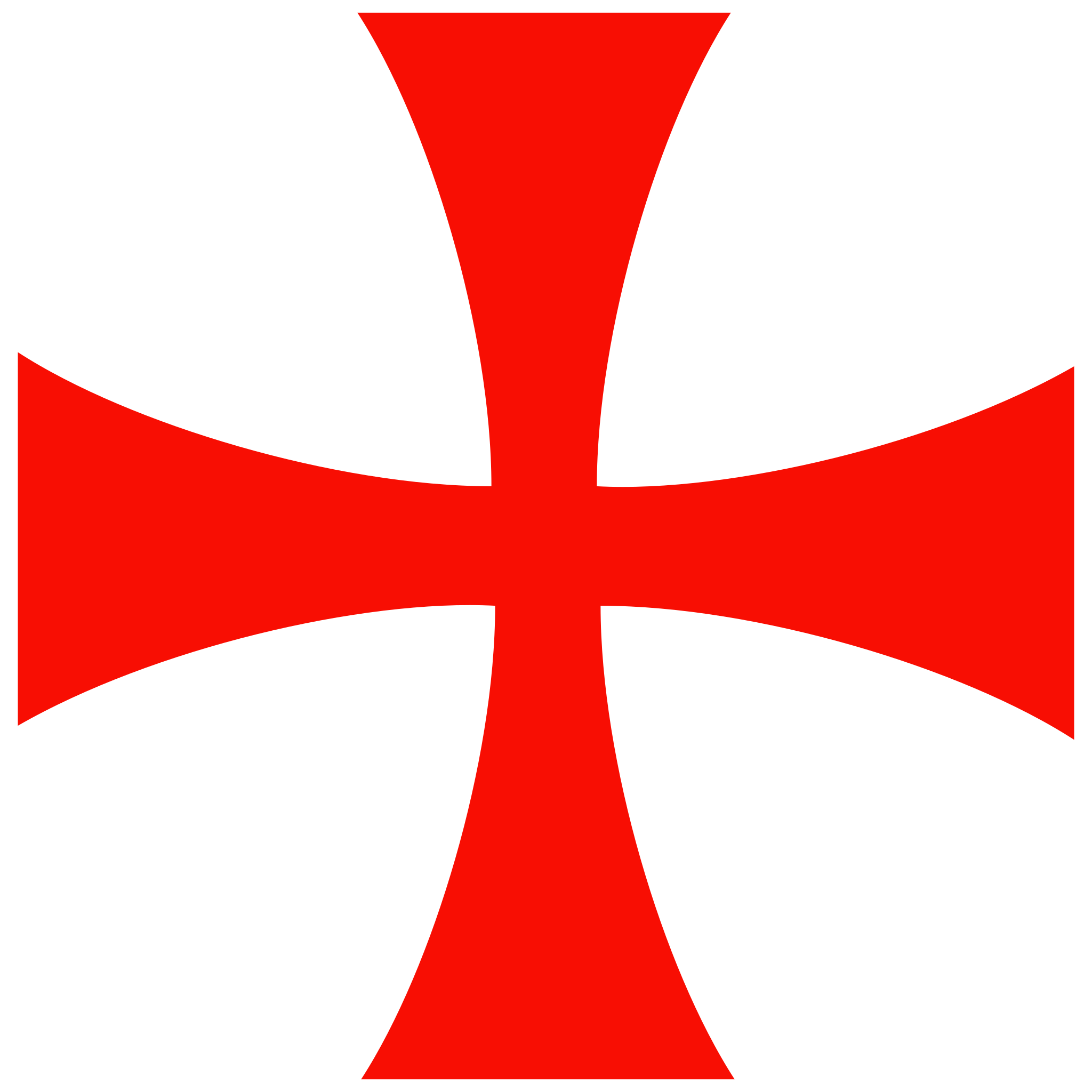
The Templar cross itself, often a “cross pattée” or “cross potent,” became synonymous with the order. It represented their unwavering commitment to their faith and their readiness to shed blood for Christ. This powerful visual identity, combined with their reputation for fierce loyalty and discipline, cemented their image as devout warrior-monks. Even centuries after their demise, the red cross on a white background remains an instantly recognizable emblem, deeply embedded in historical and cultural memory.
A Network of Wealth and Influence
Beyond their military role, the Knights Templar evolved into a sophisticated economic and financial power. Their vast network of commanderies and estates across Europe served not only as recruitment and supply centers but also as a proto-banking system. Pilgrims and nobles could deposit funds in one Templar house and withdraw them from another, facilitating safe travel and commerce in an era fraught with peril.
This financial acumen, combined with generous donations and their exemption from taxes, allowed the Templars to accumulate immense wealth and influence. They became significant lenders to European monarchs and popes, effectively operating as a transnational corporation. Their power extended beyond the battlefield, making them key players in the political and economic landscape of the 12th and 13th centuries, a level of influence that ultimately contributed to their downfall.
The Dramatic Downfall and Lingering Questions
The Templars’ immense wealth and power eventually became their undoing. By the early 14th century, with the Crusader states largely lost, their original purpose diminished, and European monarchs, particularly King Philip IV of France, eyed their assets. On Friday, October 13, 1307, Philip launched a coordinated arrest of Templars across France, accusing them of heresy, idolatry, sodomy, and other blasphemous practices.
Under torture, many Templars confessed to these fabricated charges. Pope Clement V, under pressure from Philip, reluctantly initiated papal investigations and eventually dissolved the Order in 1312 with the papal bull “Vox in excelso.” The last Grand Master, Jacques de Molay, and other senior leaders were burned at the stake in 1314, famously cursing Philip and Clement. The sudden and brutal suppression left a void and ignited centuries of speculation about their alleged hidden treasures and secret knowledge, fueling the enduring mystique.
Modern Echoes and Cultural Reverberations
The dramatic story of the Knights Templar continues to captivate audiences in the contemporary world. Their lore has permeated various forms of media, from historical novels and blockbuster films to video games and documentaries. Works like “The Da Vinci Code” have popularized theories of Templar connections to the Holy Grail and other ancient secrets, blurring the lines between historical fact and speculative fiction.
Beyond entertainment, the Templars’ legacy is also invoked by various modern fraternal organizations and secret societies, some claiming direct lineage or inspiration from the original order. This ongoing cultural appropriation and reinterpretation underscore the powerful narrative elements inherent in their history: a blend of chivalry, faith, power, betrayal, and enduring mystery. The Templars remain a potent symbol, adaptable to new contexts and interpretations.
The Unfolding Tapestry of Templar Legacy
The Knights Templar, though officially dissolved centuries ago, continue to hold a significant place in the collective consciousness. Their story serves as a powerful reminder of the complex interplay between religious fervor, military might, economic power, and political intrigue in medieval Europe. They represent an ideal of warrior-monks, a beacon of chivalry and discipline, yet also a cautionary tale of unchecked power and vulnerability to political machinations.
As we navigate the complexities of the 21st century, the timeless lore of the Templars continues to unfold. Their legacy is not merely confined to historical texts but thrives in the ongoing human quest for meaning, mystery, and the allure of untold secrets. The white mantle and red cross remain potent symbols, inviting new generations to explore the legend and ponder the true extent of their impact on history and culture.

 Templar Uniform Editorial