
The Enduring Appeal of Medieval Imagery
The medieval period, often romanticized and rich in visual history, continues to exert a significant influence on contemporary culture, particularly within the realm of fashion. From the imposing silhouettes of knights in armor to the intricate heraldry of noble houses, this era provides a deep well of powerful and evocative imagery. Its aesthetic language, characterized by strength, austerity, and a certain dramatic flair, resonates with designers and consumers seeking styles that convey more than fleeting trends.
In recent years, this historical fascination has increasingly permeated streetwear, moving beyond niche subcultures to mainstream visibility. What was once confined to historical reenactments or high-fashion runways now appears in everyday apparel, demonstrating a widespread appreciation for the gravitas and distinctiveness of medieval design. This trend reflects a broader cultural interest in authenticity and a connection to historical narratives, even when reinterpreted for a modern context.

Templar Motifs in Contemporary Design
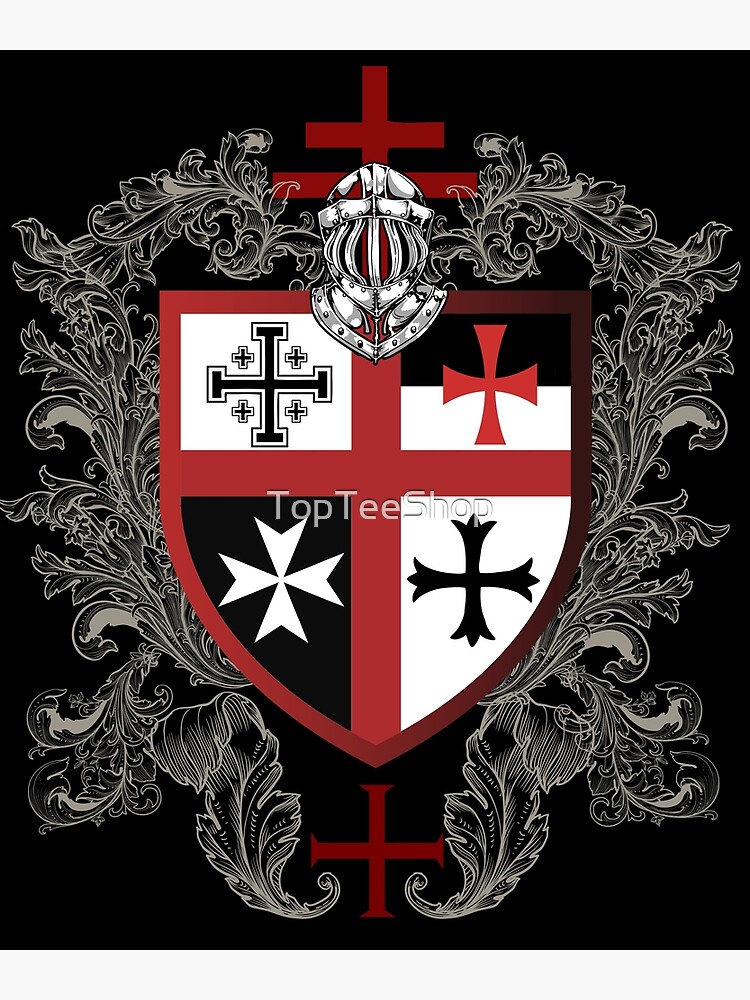
Among the myriad historical influences, the iconography of the Knights Templar holds a particular allure. The stark simplicity and potent symbolism of the red cross on a white or black field offer a powerful visual statement. This emblem, instantly recognizable, transcends its original religious and military context to become a motif signifying courage, discipline, and a certain rebellious spirit in modern interpretations.
Currently, Templar-inspired elements are observed in various streetwear applications. These range from subtle embroidery on jackets and hoodies to prominent graphic prints on t-shirts and accessories. Designers often adapt the cross, sometimes abstracting it or integrating it into complex patterns, allowing wearers to connect with a historical legacy without necessarily endorsing its original doctrines. This recontextualization highlights how historical symbols can be repurposed to convey contemporary messages of identity and style.
From Functional Armor to Fashionable Form
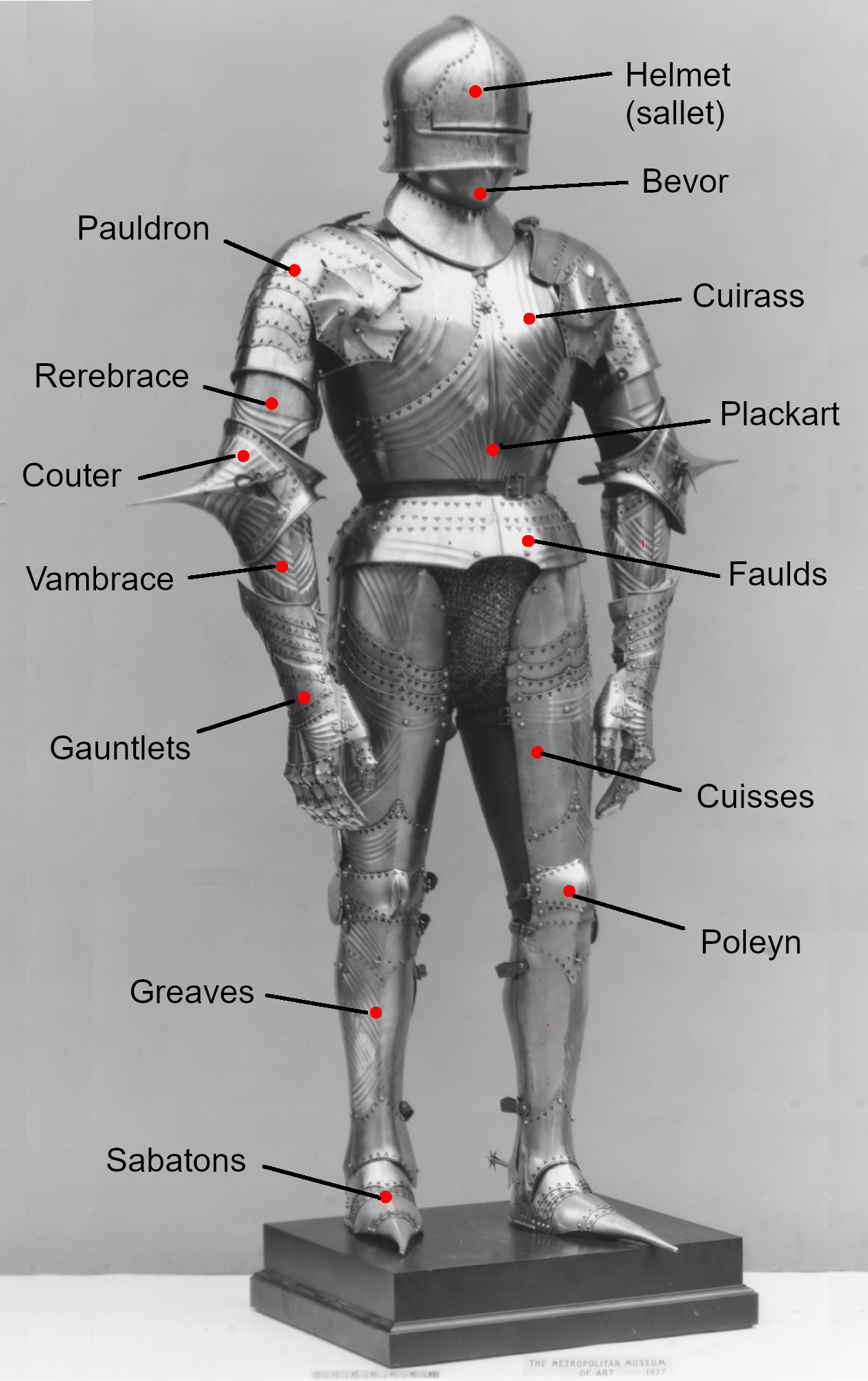
Medieval attire, especially armor, was primarily designed for protection and to signify status. Its layered construction, robust materials, and structured forms were dictated by practical needs. Yet, these functional aspects have become a source of inspiration for modern fashion, particularly in how garments create a distinct silhouette and convey a sense of strength.
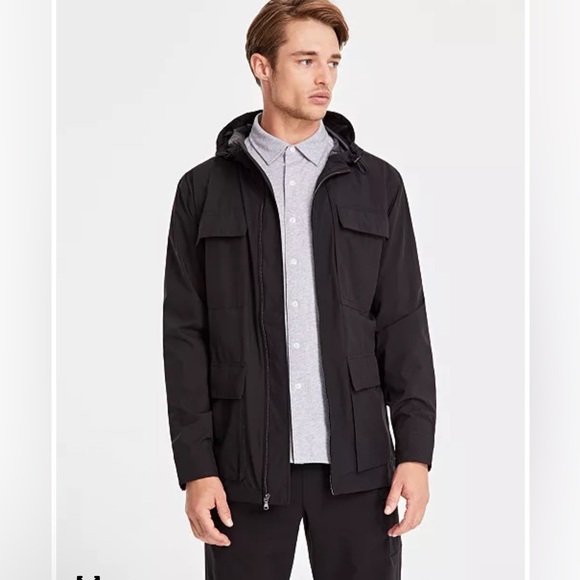
Streetwear currently borrows these structural principles, translating them into contemporary outerwear. Oversized hoodies with reinforced shoulders, utility vests with multiple pockets, and heavy, structured coats often echo the protective and imposing nature of medieval garments. These pieces frequently feature exaggerated proportions or strategic layering, creating a silhouette that is both modern and subtly reminiscent of historical armor.
Textures and Materials: A Historical Touch
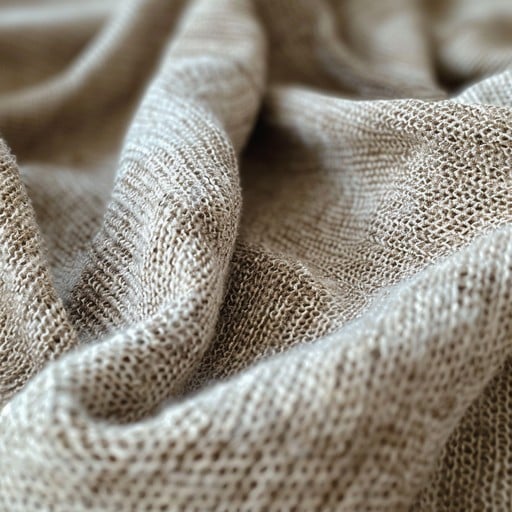
The materials used in medieval clothing – such as heavy wools, linens, and leathers – were chosen for their durability, warmth, and availability. These natural fibers provided essential protection against the elements and the rigors of daily life. While modern textile technology offers a vast array of options, there is a distinct trend towards materials that evoke this historical robustness.
In contemporary streetwear, this translates into the use of heavy-gauge cottons, distressed leathers, and rugged denim. Fabrics are often treated to achieve a worn or aged appearance, mimicking the patina of historical garments. The emphasis is on tactile quality and a sense of enduring craftsmanship, contrasting with the lighter, more ephemeral feel of some modern synthetic fabrics. This material choice adds depth and authenticity to the medieval-inspired aesthetic.
The Cultural Resonance of Historical Style
The persistent appeal of medieval aesthetics in modern streetwear extends beyond mere visual novelty; it taps into deeper cultural currents. In an era often characterized by rapid change and digital abstraction, there is a discernible yearning for tangible history, authenticity, and a connection to narratives of strength and resilience. Medieval imagery, with its associations of chivalry, fortitude, and a clear sense of identity, offers a powerful counterpoint.
This trend also reflects a desire for clothing that makes a statement, moving beyond simple branding to convey a sense of personal narrative. By incorporating elements from a distant past, wearers can express a unique style that is both historically informed and distinctly contemporary. It suggests a thoughtful engagement with fashion, where garments are chosen not just for their appearance but for the stories and values they represent.
Forging Future Narratives in Fashion
The ongoing dialogue between medieval heritage and modern streetwear is more than a fleeting trend; it represents a dynamic process of cultural reinterpretation. This fusion demonstrates fashion’s capacity to draw from diverse historical periods, transforming ancient forms and symbols into new visual languages that resonate with current sensibilities. It highlights a continuous human impulse to connect with the past while simultaneously shaping the future.
As designers continue to explore and innovate, the interplay between historical depth and contemporary edge is likely to evolve further. This creative synthesis ensures that the powerful imagery and structural integrity of medieval aesthetics will continue to inspire, offering rich possibilities for personal expression and stylistic innovation in the years to come.

 Templar Uniform Editorial


