
The Enduring Legacy of Templar Aesthetics
The Knights Templar, a monastic military order from the Middle Ages, left an indelible mark on history, not just through their deeds but also through their distinctive attire. Their uniform, characterized by its stark simplicity and powerful symbolism, has transcended centuries to become a recurring source of inspiration in modern fashion. This enduring appeal lies in the potent blend of historical gravitas, spiritual devotion, and martial discipline that their original garments conveyed.
Today, as cultural narratives often look to the past for depth and meaning, the Templar aesthetic offers a rich tapestry of references. From high fashion runways to everyday street style, elements reminiscent of the Templars’ iconic look continue to emerge, reinterpreted for a contemporary audience. This article delves into how the medieval style of the Templars seamlessly integrates with modern fashion sensibilities, exploring its cultural context and current interpretations.


The Original Templar Uniform: Simplicity and Symbolism
The core of the Templar uniform was its profound simplicity, reflecting the order’s vows of poverty and piety. The most recognizable element was the white mantle, granted to the knights, symbolizing purity and chastity. This unadorned garment stood in stark contrast to the often elaborate attire of other medieval nobles, emphasizing their dedication to a higher purpose rather than worldly display.
Crucially, the red cross pattee, sewn onto the left shoulder of the mantle, was the defining emblem of the Knights Templar. This vibrant symbol represented martyrdom and the blood shed for Christ, serving as a powerful visual identifier on the battlefield and a constant reminder of their sacred mission. The combination of the pure white and the bold red created an instantly recognizable and highly symbolic visual language that communicated their identity and resolve.
Symbolism’s Enduring Power in Modern Design
The potent symbolism embedded in the Templar uniform continues to resonate deeply within modern fashion. The red cross, in particular, has been reinterpreted countless times, appearing not just as a direct replica but also as an abstract motif or a geometric pattern. Its strong graphic quality makes it versatile, adaptable to various design aesthetics from minimalist to avant-garde, while still carrying an echo of its historical significance.
Beyond the cross, the color palette of white and red holds significant symbolic weight. White evokes purity, clarity, and a fresh start, while red signifies passion, courage, and strength. This powerful dichotomy is often utilized by designers to create striking contrasts and convey a sense of bold conviction. The monastic silhouettes, characterized by clean lines and flowing fabrics, also inspire contemporary minimalist trends, offering comfort and understated elegance.
Templar-Inspired Silhouettes and Textures
The practical and austere nature of medieval Templar attire has provided a blueprint for certain modern fashion trends. Long, flowing tunics and mantles, originally designed for protection and modesty, find their modern counterparts in oversized coats, capes, and elongated shirts. These garments often feature clean lines and a relaxed fit, echoing the unrestrictive yet dignified appearance of the original Templar habit.
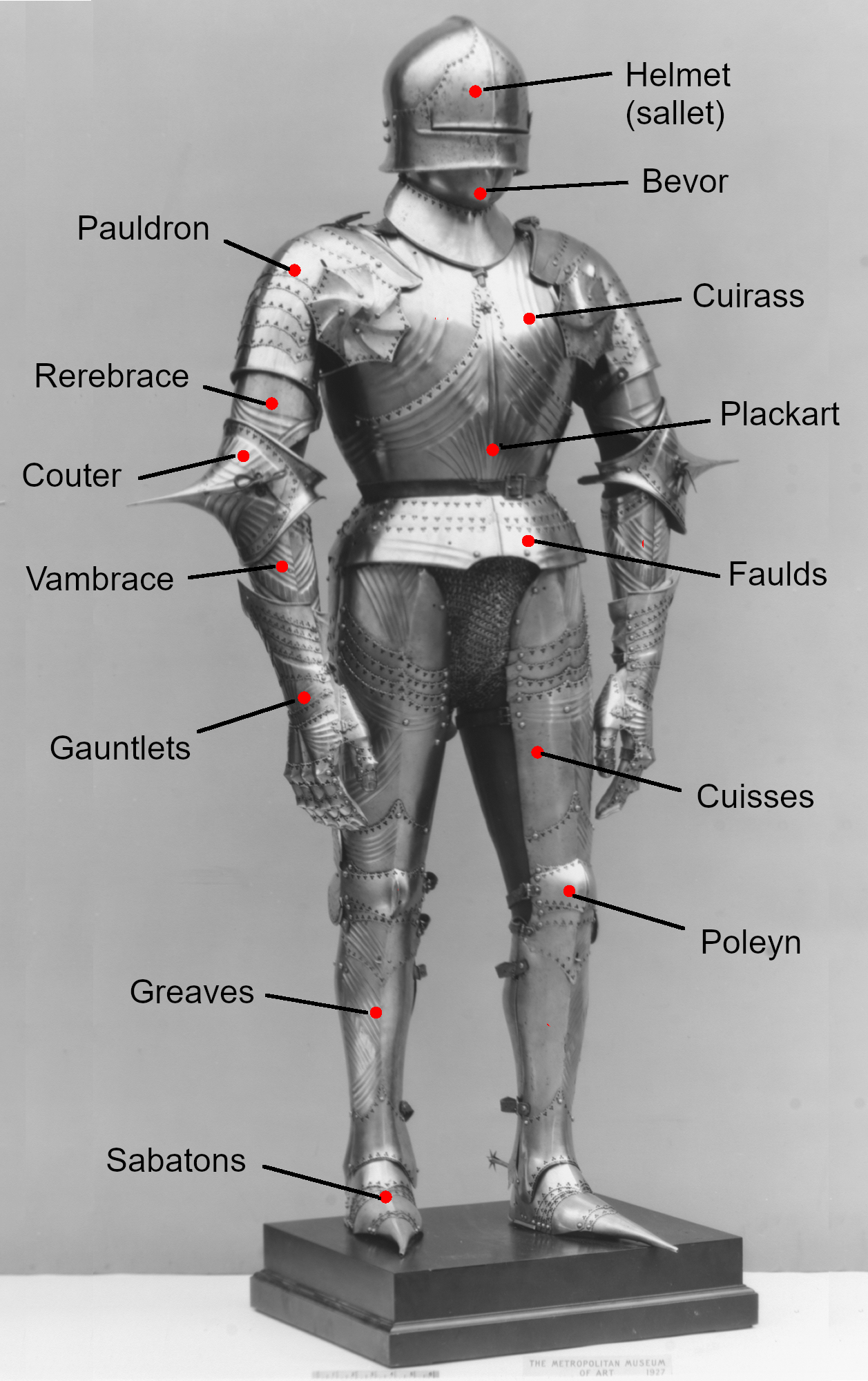
Furthermore, the textures associated with medieval military and monastic wear—such as heavy wools, linens, and even chainmail-inspired fabrics—are subtly referenced in contemporary collections. Robust, durable materials that offer structure and a sense of protection are favored, often in muted, earthy tones or the classic white and red. This blend of historical form and modern material creates pieces that are both functional and imbued with a sense of timeless strength.
From Runways to Street Style: Contemporary Adaptations
In recent years, the influence of Templar aesthetics has been observed across various fashion spectrums. High fashion designers occasionally draw upon the dramatic silhouettes, the powerful color scheme, and the iconic cross motif to create collections that evoke a sense of historical grandeur and spiritual depth. These interpretations often abstract the original elements, transforming them into sophisticated, wearable art.
On the street, Templar-inspired fashion manifests in more accessible ways. Graphic tees featuring stylized crosses, minimalist white shirts paired with bold red accessories, or even military-inspired outerwear with subtle historical nods are common. This democratization of the aesthetic allows individuals to express a connection to history, strength, and a certain stoicism without directly replicating a medieval uniform. It’s about capturing the essence rather than the exact form.
Embracing the Ethos: More Than Just an Outfit
The enduring appeal of Templar fashion extends beyond mere visual aesthetics; it often taps into a deeper cultural fascination with the ideals the Knights Templar represented. Concepts such as discipline, loyalty, purpose, and a commitment to a cause resonate strongly in a world seeking authenticity and meaning. When individuals choose to incorporate Templar-inspired elements into their wardrobe, they are often subconsciously or consciously aligning with these powerful historical virtues.
As we move forward, the blend of medieval inspiration and modern interpretation in fashion is likely to continue evolving. The Templar aesthetic, with its rich history and powerful symbolism, offers a timeless wellspring for designers and fashion enthusiasts alike. It serves as a reminder that true style often transcends fleeting trends, drawing strength from narratives that have shaped human history and continue to inspire contemporary expression.


 Templar Uniform Editorial


