
Forging the future: designing your first Templar charm
In the hallowed halls of history, the Knights Templar were defined not only by their martial prowess and unwavering faith but also by their distinct and powerful iconography. The simple, potent red cross on a white mantle, the enigmatic seal of two knights on a single horse – these were not mere decorations. They were declarations of identity, brotherhood, and purpose. Today, as enthusiasts of this legendary order, we seek to connect with that legacy. While weaving and embroidery were the crafts of the past, a new tool has entered the modern artisan’s workshop: the 3D printer.

The idea of using a modern machine to replicate ancient symbols might seem contradictory, but it is, in fact, a beautiful continuation of a long tradition of craftsmanship. It allows for a level of customization and accessibility previously unimaginable. Whether you are a historical reenactor striving for the perfect detail on your surcoat or a modern admirer wishing to add a touch of Templar spirit to a jacket or bag, 3D printing opens a world of possibilities. This is the heart of our Custom Crusader Creations – blending the spirit of the old world with the tools of the new.

Your journey begins with a design. For the absolute beginner, this is the least intimidating step. Websites like Thingiverse, MyMiniFactory, and Cults3D host vast libraries of digital models, many of which are free to download. A simple search for “Templar cross,” “Crusader emblem,” or “Knight seal” will yield dozens of options created by a global community of designers. Look for designs that are relatively flat on one side, which will make them easier to print and attach to fabric.
The most crucial design element for our purpose is the inclusion of stitching holes. Many pre-made charm designs will have a single loop at the top for a necklace, but for a durable attachment to clothing, this is insufficient. You need anchor points. If you’re using a pre-existing design, look for one with at least two, preferably four, small holes integrated into the body of the charm. If you are feeling adventurous and delving into free and user-friendly 3D modeling software like Tinkercad, you can add these yourself. A simple rule is to place small, 1-2mm cylindrical holes near the corners or key anchor points of your chosen symbol. This foresight will be the difference between a charm that holds fast and one that is lost on your first outing.
Next, consider your material. The two most common types of consumer 3D printers are FDM (Fused Deposition Modeling) and Resin. For a beginner crafting durable charms, FDM is the clear winner. It uses spools of plastic filament, with PLA (Polylactic Acid) being the most common and easiest to work with. PLA is strong, slightly flexible, and non-toxic. While resin printers can produce stunningly detailed miniatures, the resulting prints can be brittle and are not ideal for the stress of being sewn onto a garment that will see movement and wear. Stick with PLA for a charm that is built to last. Choose a color that is close to your desired final look – black, grey, or white are excellent bases for later painting.
The armourer’s workshop: preparing your charm for duty
Once your printer has worked its magic, you will be left with a raw piece of plastic. It will hold the shape of your chosen symbol, but it will lack the soul and gravitas of a historical artifact. This is where the true artistry begins, in the finishing process. Your goal is to transform this piece of modern polymer into something that looks and feels like it has a history.
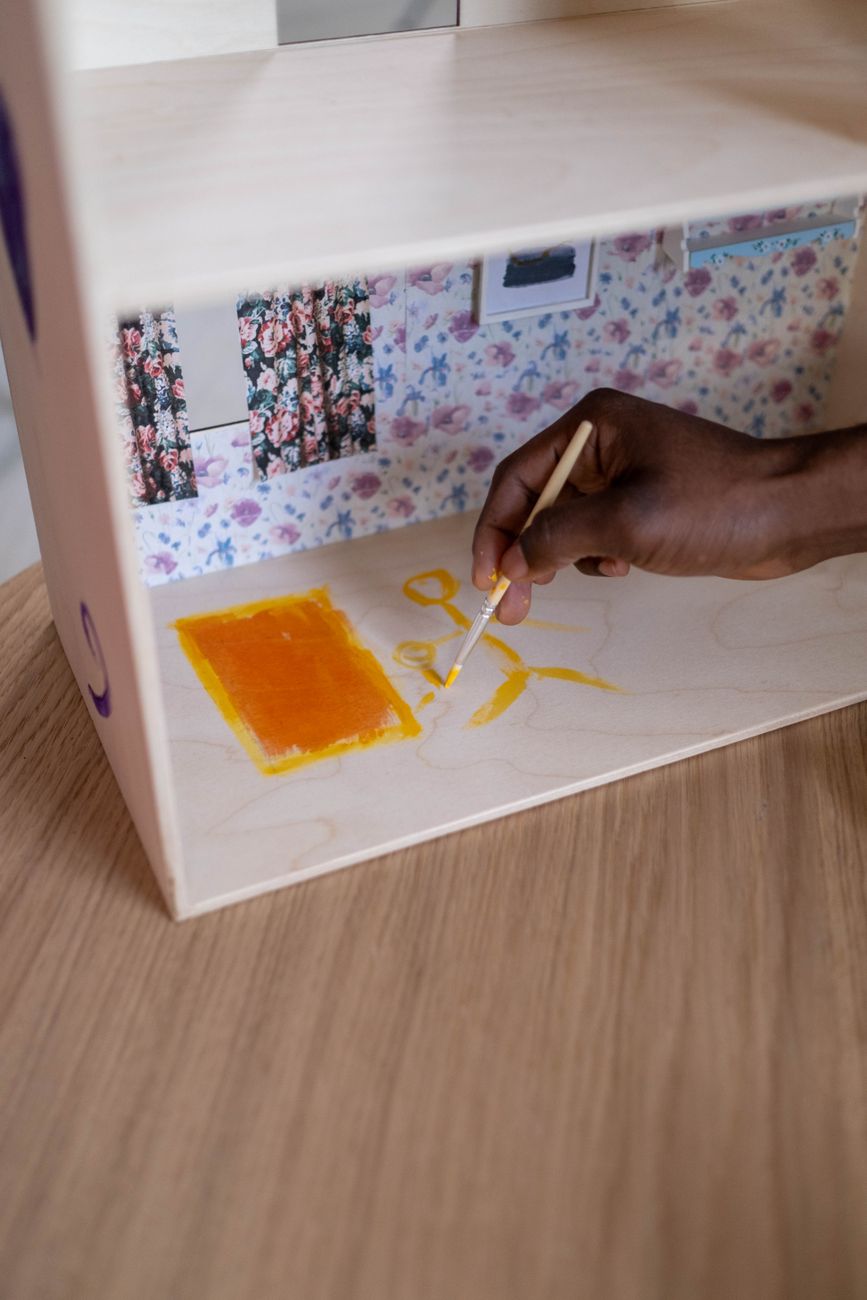
First, inspect the print for any imperfections. FDM printing can leave behind fine layers and occasionally small blemishes. A little light sanding with fine-grit sandpaper (a 220 grit followed by a 400 grit is a good start) will smooth the surface and prepare it for paint. Be gentle, especially around the delicate edges of your stitching holes. The goal is to smooth, not to reshape. After sanding, wipe the charm down with a damp cloth to remove any plastic dust.
Now, we apply a primer. This step is non-negotiable if you want your paint job to last. A spray-on primer, available at any hobby or hardware store, is your best friend. A light coat of matte black or grey primer creates a uniform surface that a top coat of paint can adhere to perfectly. It instantly elevates the look of the print, hiding the plastic sheen and giving it a more substantial appearance. Let it dry completely according to the manufacturer’s instructions.
The painting stage is where you can truly be creative. To achieve a realistic metallic look, start with a base coat of metallic acrylic paint, such as iron, steel, or aged bronze. Apply a thin, even coat. Once dry, it’s time to add depth and age. This is achieved with a “wash.” A wash is simply watered-down black or dark brown acrylic paint. Brush it liberally over the entire charm, letting it seep into all the cracks and crevices. Before it dries completely, take a paper towel or a soft cloth and gently wipe the wash off the raised surfaces. The dark paint will remain in the recesses, creating realistic shadows and an instant look of aged tarnish. For a final touch, you can “dry brush” a brighter metallic color, like silver, onto the highest edges to simulate wear and tear. Dry brushing involves getting a tiny amount of paint on a stiff brush, wiping most of it off, and then lightly dusting it over the raised edges. Finally, seal your work with a matte or satin clear coat spray. This will protect your paint job from chipping and the elements, ensuring your emblem looks its best for years to come.
The final stitch: securing your emblem for the ages
Your charm is now a miniature work of art, but it is useless until it is properly affixed to your garment. This is the most critical stage, where the promise of “stitching that lasts” is fulfilled. The wrong thread or a weak stitch will lead to a lost emblem and a torn piece of fabric. We must approach this with the care of a squire mending his knight’s mantle.
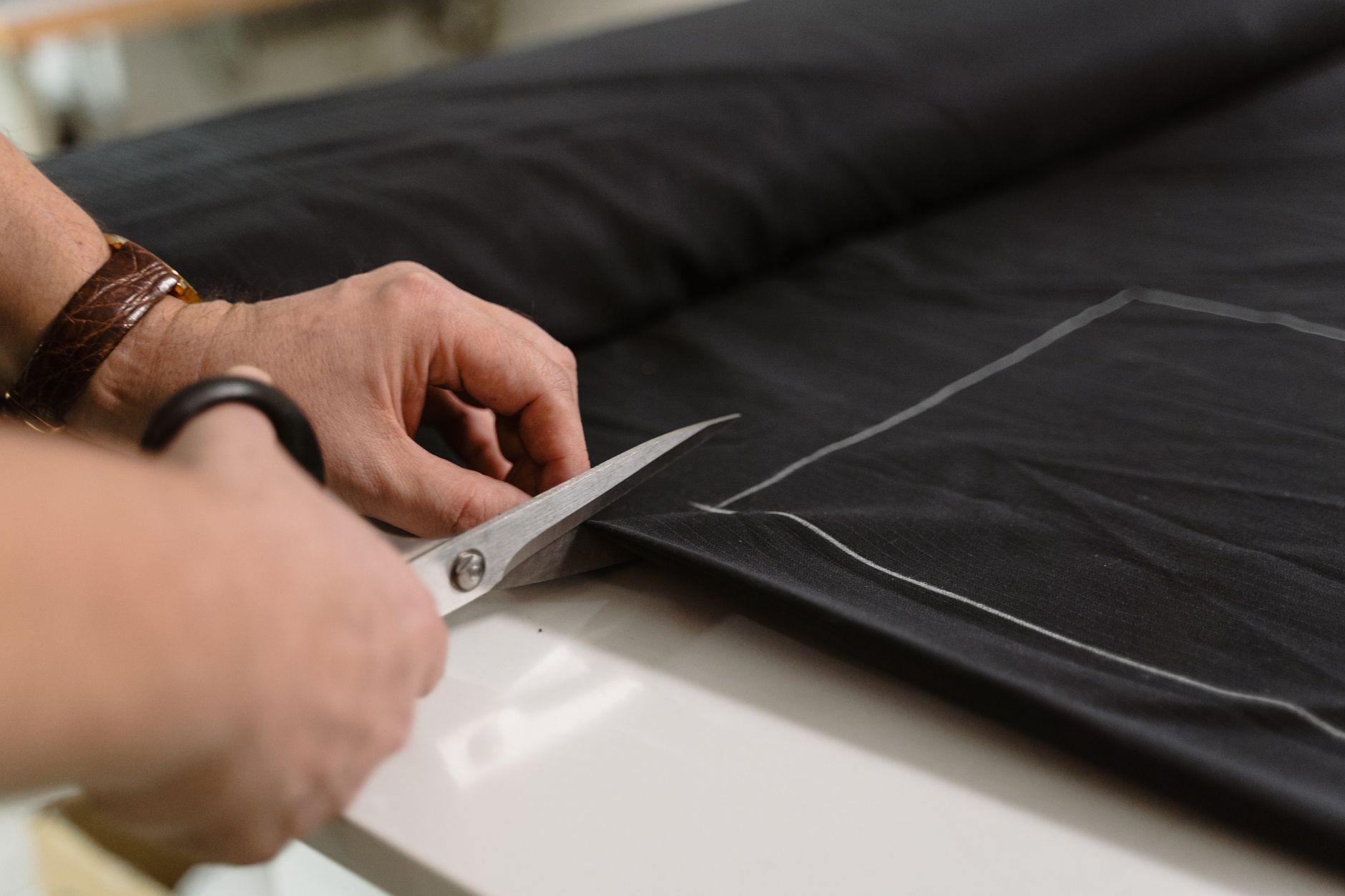
First, gather your tools. You will need a sturdy needle, a thimble to protect your finger, and the right kind of thread. While standard cotton thread is fine for mending a hem, it is not suitable here. We need strength. Historically, waxed linen thread would have been used. It is incredibly strong and water-resistant. For a modern, durable alternative, a high-quality upholstery thread or a strong polyester thread is an excellent choice. Embroidery floss can also work if you use all six strands together, and its range of colors can be used to either blend in or create a decorative contrast.
Position your charm on the fabric. Consider both historical placement and personal aesthetics. A Templar cross would be prominently displayed over the heart on a mantle or surcoat. Once you are happy with the placement, you can use a small piece of double-sided tape or a dot of temporary fabric glue to hold it in place while you work.
Now, for the stitch itself. Do not simply pass the thread through the hole and the fabric once or twice. This concentrates all the stress on a few threads of fabric and will inevitably lead to tearing. We will use a technique that distributes the load. Begin by knotting your thread and coming up from the underside of the fabric, just to the side of one of the charm’s holes. Go down through the charm’s hole and back through the fabric.
Instead of coming back up in the same spot, we will create a series of small, reinforcing backstitches on the underside of the fabric, radiating out from the stitch hole like a star or an asterisk (*). Make three or four small stitches (about 2-3mm long) that all cross over the central point where your main thread goes through. This small constellation of stitches spreads the pulling force across a wider area of the fabric, making it dramatically more resistant to tearing. Repeat this process for every single hole on your charm. If your charm has four holes, you will create four of these reinforced anchor points. It may seem tedious, but this is the secret to a truly permanent attachment.
When you have secured all the anchor points, finish your work on the underside of the fabric with a strong, tight knot. A surgeon’s knot is an excellent choice. Clip the excess thread, and your work is done. Your custom, 3D-printed Templar charm is now a seamless and durable part of your uniform, ready to face the rigors of a reenactment field or the challenges of the modern world.
By merging the precision of 21st-century technology with the time-honored patience of hand-stitching, you have not just added an accessory; you have added a piece of your own story to the enduring legend of the Knights Templar. What symbol will you bring to life first?

 Templar Uniform Editorial


