
From digital blueprint to tangible legacy: the precision of 3d printing
In the grand tapestry of history, the Knights Templar are defined by their unyielding faith, formidable presence, and iconic symbolism. Their cross, their seal, and the very aesthetic of their order were crafted with purpose and intention. The original artisans—blacksmiths, jewelers, and armorers—used fire, hammers, and immense skill to bring these symbols to life in metal and leather. Today, a new kind of forge has emerged, one that uses light, lasers, and digital code to achieve a level of detail and accessibility previously unimaginable. Welcome to the world of 3D printing, a technology that is not replacing tradition but rather building upon its legacy to create custom Crusader designs that are truly built to last.

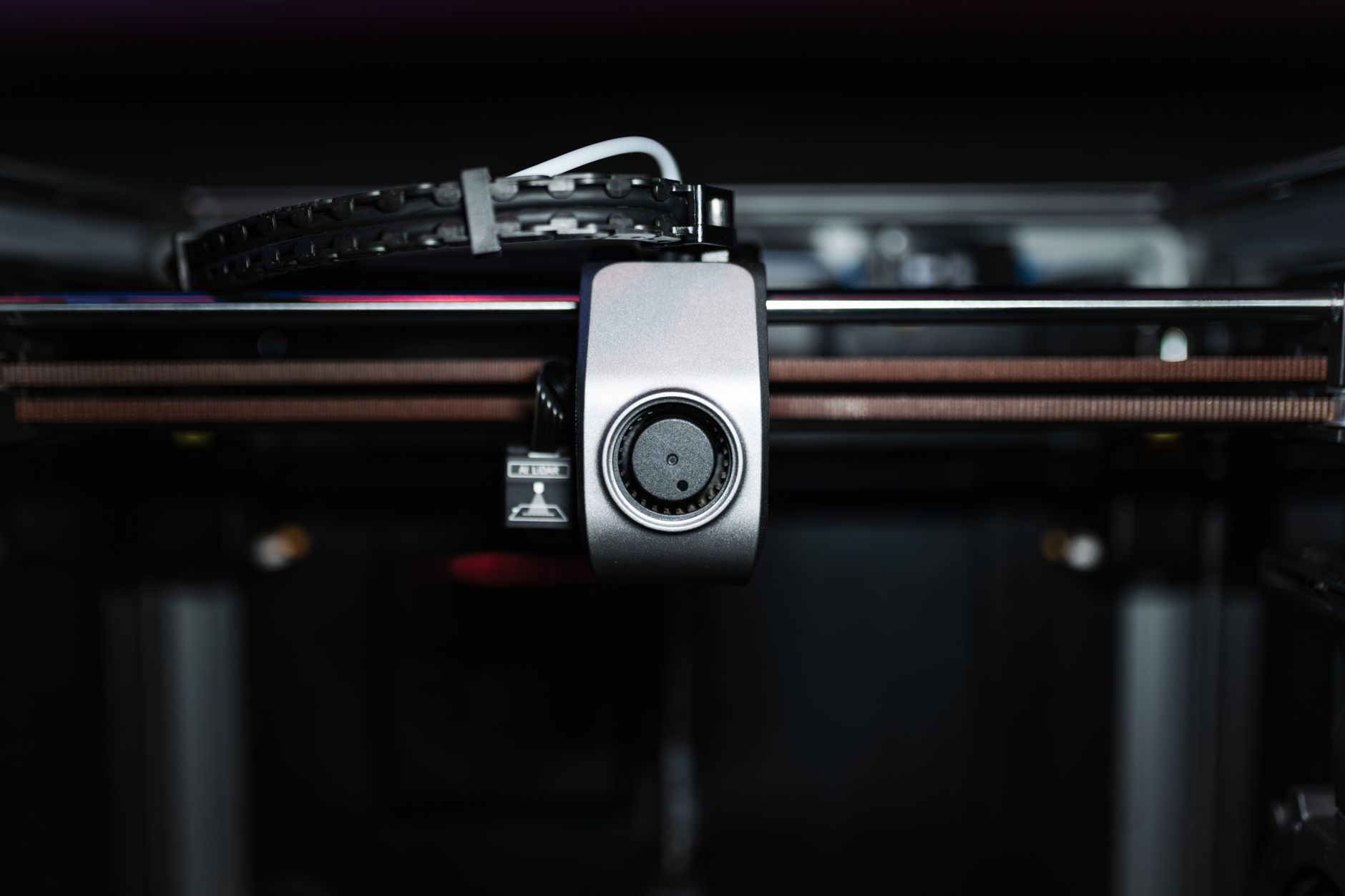
At first glance, the sterile, high-tech environment of a 3D printer seems worlds away from the smoke and clang of a medieval workshop. Yet, the core principle remains the same: the creation of a physical object from a concept. What sets 3D printing apart, and what makes it so revolutionary for custom creations, is its unparalleled precision. A traditional craftsman, no matter how skilled, is limited by their tools and the subtle imperfections of the human hand. A 3D printer, however, works from a perfect digital blueprint, or CAD (computer-aided design) file. It can replicate complex geometries, intricate filigree, and razor-sharp text with microscopic accuracy, layer by painstaking layer.

This precision is a game-changer for historical enthusiasts and modern Templars alike. Imagine wanting to create a charm bearing the famous Templar seal of two knights on a single horse. With 3D printing, you can ensure that every detail, from the knights’ mail coifs to the inscription “Sigillum Militum Xpisti” (Seal of the Soldiers of Christ), is rendered with perfect clarity. This isn’t just about aesthetics; it’s about authenticity. We can now take high-resolution scans of historical artifacts and replicate them as wearable charms, preserving a direct and tangible link to the past. The technology allows us to capture the spirit and exact form of a historical design, ensuring its legacy endures not as a faded memory but as a crisp, tangible object. This digital craftsmanship ensures the design itself—the very soul of the piece—lasts by preventing the slow erosion of details that occurs over generations of manual reproduction.
The new alchemy: materials that ensure enduring strength
A design’s legacy is not only measured by its visual accuracy but also by its physical endurance. A charm, whether worn on a chain, stitched to a mantle, or affixed to a belt, is meant to be a constant companion. It must withstand the rigors of daily wear or the demanding conditions of historical reenactments. This is where the material science behind 3D printing truly shines, offering a modern form of alchemy that transforms digital files into objects of surprising strength and longevity.
Many people associate 3D printing with brittle, plastic trinkets. While that may have been true in the technology’s infancy, the material options available today are vast and robust. For creating custom Templar charms, several categories stand out for their durability:
- Advanced Photopolymer Resins: Used in technologies like SLA (stereolithography), these resins are cured by UV light to form incredibly detailed and solid objects. Modern engineering resins can be formulated to be tough, impact-resistant, and even flexible. Once printed, a resin charm can be expertly finished to mimic other materials. A popular technique is ‘cold-casting,’ where fine metal powders like bronze, brass, or iron are mixed into the final coat of resin. The finished piece is then polished to reveal a genuine metallic sheen, offering the look and feel of solid metal with the high detail of a resin print.
- Direct Metal Laser Sintering (DMLS): This is the true modern forge. DMLS printers use a high-powered laser to fuse powdered metal, layer by layer, into a solid object. The resulting charms are not metal-coated plastic; they are fully dense metal. Materials like stainless steel, bronze, titanium, and even precious metals like sterling silver and gold can be used. A 3D-printed steel Templar cross is every bit as strong and durable as one traditionally cast, capable of lasting for generations. This method allows for the creation of heirloom-quality pieces that combine futuristic manufacturing with an ancient aesthetic.
- Durable Thermoplastics: For more functional or budget-conscious applications, materials like ABS (Acrylonitrile Butadiene Styrene) or PETG (Polyethylene Terephthalate Glycol) offer excellent durability. These are the same types of polymers used in everything from car parts to protective gear. A charm printed in one of these materials might not have the heft of metal, but it will be incredibly resistant to scratches, impacts, and environmental wear, making it perfect for the rigors of a reenactment battlefield.
By selecting the right material, a creator can ensure their custom charm is not just a fleeting novelty but a steadfast piece of personal insignia. This ability to match the material to the mission guarantees that the design will physically last, carrying its story forward through the years without chipping, fading, or breaking.
The custom crusader: personalization and modern symbolism
Perhaps the most profound way 3D-printed charms are creating designs that last is through the power of personalization. Historically, customization was the privilege of the wealthy and powerful. A knight might commission a smith to incorporate his family crest into his armor, a process that was time-consuming and expensive. Today, 3D printing has democratized this process, placing the power of the creator into the hands of every enthusiast. A lasting design is one that carries personal meaning, and this technology makes that meaning more accessible than ever before.

The digital nature of the process means that any design can be easily modified and tailored. This opens up a world of possibilities for the modern Crusader to forge a unique identity while still honoring the traditions of the past. Consider the potential applications:
- Personal Insignia: A reenactor can take a classic Templar cross design and subtly incorporate their own initials or a personal symbol into the filigree. This creates a piece that is historically grounded yet uniquely their own, a signature mark on their uniform.
- Commemorative Pieces: A group or modern order can design a set of matching charms to commemorate a specific event, anniversary, or shared bond. Details like dates, locations, or group mottoes can be perfectly rendered, creating a powerful symbol of unity and shared history.
- Symbolic Fusion: An individual can blend different historical or personal symbols. One might combine the Seal of the Knights Templar with a symbol representing their own heritage or faith, creating a new piece of iconography that tells a personal story. This act of creation ensures the Templar legacy is not a static relic but a living tradition that continues to evolve and resonate with people today.
This level of personalization fosters a much deeper connection between the owner and the object. A mass-produced charm is an accessory; a custom-designed charm is a part of one’s identity. It’s an artifact of a personal journey. This emotional investment is what truly makes a design last. It transforms an object from something that is merely owned into something that is cherished. When that charm is eventually passed down, it carries with it not just the weight of Templar history, but the weight of a personal story. In this way, 3D printing is not just fabricating objects; it is helping us fabricate new legacies, ensuring that the spirit of the Crusader, in all its forms, continues to inspire and endure for generations to come.
Ultimately, the fusion of ancient symbolism and modern technology is a testament to the enduring power of the Templar legend. 3D printing provides the precision to honor the past, the materials to withstand the future, and the freedom to make these timeless symbols profoundly personal. It is in this trifecta of accuracy, durability, and personalization that we find a new way to forge designs that last not just for a season, but for a lifetime.

 Templar Uniform Editorial


