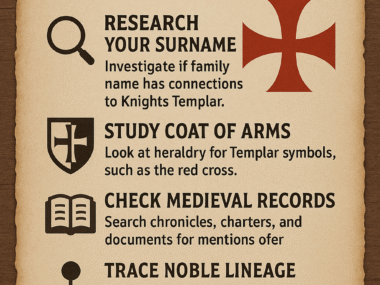
The image of the Knights Templar is indelible: the stark white mantle, the bold red cross. This uniform is more than just historical attire; it is a symbol of a bond that has fascinated the world for centuries. It represents a brotherhood forged not only in the crucible of conflict but in the quiet dedication of shared principles, daily rituals, and a profound sense of purpose. While the mantle clothed the man, it was the traditions of the order that truly united them, transforming a diverse group of individuals into a legendary fraternity.
But what were these traditions, and how did they create such an unbreakable bond? Beyond the battlefield, the Knights Templar were governed by a meticulous structure of rules and rituals designed to strip away individual vanity and foster collective strength. This was the true secret to their power. In this exploration, we’ll delve into the core traditions that built the historical Templar brotherhood and examine how their enduring principles of commitment, ritual, and shared purpose can strengthen our own communities and connections in the modern world. The legend isn’t just in the stitch of the cloth, but in the strength of the bonds it represents.

The foundation of the order: faith, charity, and a unifying code
The Knights Templar brotherhood was not built on sand. It stood upon a bedrock of clearly defined principles that every member, from the newest recruit to the Grand Master, was sworn to uphold. This shared foundation was the primary source of their unity, ensuring that every Knight, regardless of his origin, was oriented toward the same goals. This framework was less about restriction and more about creating a focused, harmonious, and formidable community.
The latin rule: a blueprint for brotherhood

At the heart of their structure was the Latin Rule, a detailed code of conduct believed to have been championed by the Cistercian abbot Bernard of Clairvaux. This document of 72 clauses dictated every aspect of a Templar’s life, from the prayers they recited to the clothes they wore and the way they conducted themselves in the refectory. It prescribed a life of discipline, prayer, and humility. By living under one common rule, personal whims and cultural differences were minimized. This created a level playing field where a knight from France and one from England were, first and foremost, brothers in the order. This shared discipline was the great equalizer, fostering a sense of mutual respect and understanding that transcended regional loyalties.
Vows that forged a collective identity
Upon entering the order, every Knight took vows of poverty, chastity, and obedience. While common for monastic orders, these vows had a powerful, practical effect on the Templar brotherhood. The vow of poverty meant that no Knight owned personal property; everything belonged to the order. This masterfully eliminated internal jealousy, greed, and competition over wealth, which can so often poison communities. The vow of chastity focused their energies on their spiritual and martial duties, while the vow of obedience ensured a clear and efficient command structure, critical for any military force. Together, these vows stripped away the distractions of the secular world and bound the men to a single, shared identity: that of a Poor Fellow-Soldier of Christ and of the Temple of Solomon.
The warrior-monk duality
The Templars were a unique fusion of two seemingly opposite callings: the contemplative monk and the dedicated warrior. This duality created a brotherhood of unparalleled depth. They prayed together with the same fervor they fought with. Their spiritual life was not separate from their martial life; it was the fuel for it. This meant their bond was tested and strengthened in both the quiet halls of their preceptories and the chaos of battle. This shared experience, facing both spiritual tests and mortal danger side-by-side, created a trust and reliance on one another that few other organizations could ever hope to replicate. It was in this crucible of prayer and peril that their legendary brotherhood was truly forged.
Rituals and symbols that forged an unbreakable bond
While a shared code provided the blueprint for the Templar brotherhood, it was the daily rituals and powerful symbols that cemented these bonds in the hearts and minds of the Knights. These were the tangible, everyday practices that transformed abstract principles into a lived reality. Through shared ceremony and visual unity, the order continually reinforced the idea that the collective was far more important than the individual.
The solemnity of the initiation ceremony
Becoming a Knight Templar was not a simple affair. The initiation ceremony was a solemn, clandestine, and deeply profound ritual that left an indelible mark on every recruit. Held in secret, often at night in a secluded chapel, the ceremony required the candidate to answer a series of questions, affirming his desire to dedicate his life entirely to the service of the order. He swore his vows not just to an organization, but to God and to the brothers present. This powerful rite of passage served as a clear demarcation: the man he was before he entered the room ceased to exist, and he was reborn as a Templar. This shared, transformative experience created an immediate and powerful bond between all who had gone through it, a secret covenant that set them apart from the outside world.
Communal living: brotherhood in the mundane
The strength of the Templar community was built not just in grand ceremonies but in the quiet moments of their daily lives. The Latin Rule mandated communal living. Knights slept together in a common dormitory, ate together in the refectory, and tended to their equipment and horses side-by-side. One of the most famous rules dictated that Knights eat in pairs from a single bowl, a practice intended to foster watchfulness and ensure no one ate more than their share. This simple act of sharing a meal built a constant, subtle sense of mutual reliance and camaraderie. It was in these mundane, daily interactions—sharing stories, breaking bread, and working together—that the formal structure of the order was softened into a genuine, familial bond.
The uniform as a symbol of unity
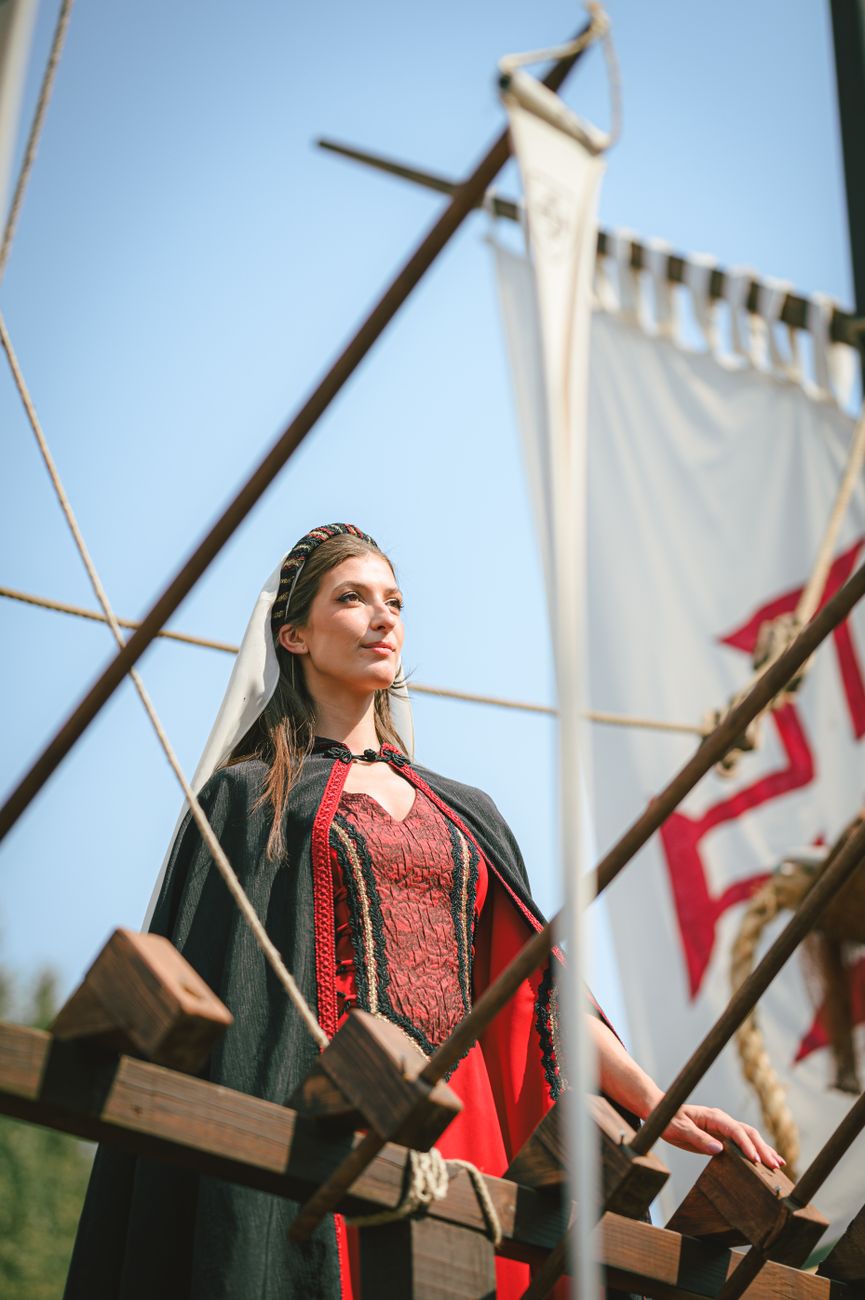
Nowhere was the Templar’s collective identity more visible than in their uniform. The white mantle, reserved for the knightly class, was a powerful symbol of the purity and chastity they vowed to uphold. The vibrant red cross, granted by Pope Eugenius III, symbolized their willingness to shed their blood and face martyrdom for their faith. When a Knight put on his mantle, he was putting on the identity of the order. It visually erased individual status and wealth, replacing it with a single, unified identity. On the battlefield, this visual unity was a fearsome sight, but within the order, it was a constant reminder that they were all part of something larger than themselves. They were not just men; they were Templars, and the mantle was the ultimate expression of that shared brotherhood.
The templar legacy in modern brotherhoods
The historical Knights Templar order was officially disbanded in the 14th century, but the principles that defined their brotherhood are timeless. The human need for community, shared purpose, and mutual support is as strong today as it was 900 years ago. Many modern fraternal organizations, including neo-Templar groups, and even informal communities of friends, draw inspiration from the Templar model to build meaningful and lasting bonds. The legacy of the Templars offers a powerful roadmap for anyone seeking to create or strengthen a community with purpose.
Upholding a modern code of conduct

Just as the Latin Rule governed the historical Templars, many modern groups build their foundation on a shared code of ethics or conduct. This might take the form of a formal mission statement, a set of bylaws, or simply an unspoken agreement among members to uphold principles like honesty, integrity, mutual respect, and service to others. This shared framework provides a common language and a standard to which all members can hold themselves and each other accountable. It ensures that the group is united not just by a common interest, but by common values, creating a culture of trust and reliability.
The importance of modern rituals
While modern communities may not meet in secret chapels, the power of ritual remains. This can be seen in the structure of formal meetings in fraternal orders, annual group trips, weekly get-togethers, or even the simple act of raising a glass to a fallen friend. These repeated, intentional actions create a sense of continuity, tradition, and shared history. They are the touchstones that members return to, reinforcing their connection and reaffirming their place within the group. These rituals, no matter how simple, transform a casual group of acquaintances into a cohesive unit with its own unique identity and culture.
Finding strength in a shared purpose
Perhaps the most vital lesson from the Templar brotherhood is the power of a shared purpose. The Templars were united in a mission they believed was greater than any single individual. Modern brotherhoods thrive on this same principle. Whether the group’s purpose is charitable work, community service, personal and professional development, historical reenactment, or simply providing a space for unwavering mutual support, having a collective goal is essential. This shared mission focuses the group’s energy, provides motivation during difficult times, and gives every member a reason to invest in the community’s success. It is this common cause that elevates a group from a social club to a true brotherhood, where members work together to achieve something meaningful.
Ultimately, the enduring legacy of the Templar brotherhood is a testament to the fact that true strength comes from unity. Their traditions show us that by committing to a shared code, practicing meaningful rituals, and dedicating ourselves to a common purpose, we can build communities that are resilient, supportive, and truly legendary in their own right.

 Templar Uniform Editorial