
While your work uniform serves a clear purpose, your personal style also reflects your attention to detail and practical judgment. For U.S. professionals, applying the same principles of durability, comfort, and smart decision-making to off-duty attire can enhance your overall presentation. This guide offers practical advice for incorporating medieval-inspired elements into your street style, ensuring your choices are both distinctive and functional.
Choosing Robust Materials for Lasting Style
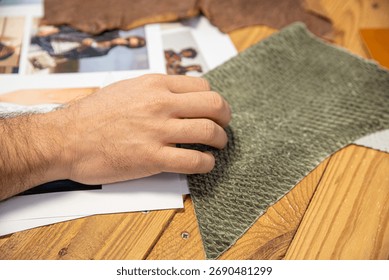
Just as with work uniforms, the foundation of any lasting personal wardrobe is material quality. When considering medieval-inspired street style, look beyond purely aesthetic appeal. Focus on fabrics known for their durability and ease of care. Think sturdy wool blends, heavy cotton twills, or robust linen. These materials offer longevity and stand up to regular wear, unlike delicate synthetics that might look good initially but quickly show signs of fatigue. Prioritizing these materials means fewer replacements and better value for your investment, a practical consideration for any budget.

Layering Effectively for Comfort and Function
Medieval aesthetics often involve layering, which can be highly practical for varying temperatures and urban environments. The key is functional layering: choose pieces that can be easily added or removed throughout the day. Opt for breathable base layers, followed by a sturdy shirt or tunic-style top, and then a practical vest or jacket. Ensure each layer allows for full range of motion and does not create unnecessary bulk. This approach keeps you comfortable and adaptable, whether commuting or moving between indoor and outdoor settings.
Integrating Historical Elements Without Overdoing It
The goal is to nod to medieval aesthetics, not to wear a costume. Focus on subtle cues. This might mean choosing garments with a tunic-like cut in modern fabrics, or opting for earth tones and muted jewel colors common in historical palettes. Look for details like simple leather belts, metal clasps, or functional lacing on modern shirts or jackets. The key is integration: ensure these elements complement your existing wardrobe and fit into everyday urban settings without drawing undue attention. Overdoing it can quickly shift from distinctive style to impractical attire, which is rarely beneficial for a professional’s image.
While the initial appeal of a unique piece is strong, the reality of daily wear often reveals practical drawbacks. Fabrics that look authentic might not hold up to repeated industrial laundering or require special care, adding time and expense. Similarly, intricate fastenings or layered designs can become uncomfortable or restrictive over an eight-hour shift, especially in active roles. This isn’t just about aesthetics; it impacts comfort and the longevity of the garment itself, potentially leading to faster replacement cycles or increased personal effort in upkeep.
Furthermore, what starts as a subtle nod can sometimes cross into territory that subtly undermines professional perception. While you aim for distinctive, others might perceive it as less serious or out of place, particularly in client-facing or formal environments. This isn’t always a conscious judgment, but a cumulative effect that can influence how your contributions are received. It’s a fine line between personal expression and maintaining a consistent, credible image within a team, where uniformity often signals cohesion and reliability.
The challenge lies in the subjective nature of ‘subtle.’ What one person considers a tasteful historical reference, another might see as distracting or even unprofessional. This gap between intent and perception is easy to overlook when selecting pieces. In a busy workplace, supervisors often deal with dress code issues that stem from these subjective interpretations, creating unnecessary friction. The goal isn’t just to look good, but to ensure your attire supports your role and doesn’t become a point of discussion or distraction for others, ultimately impacting team focus and productivity.
Selecting Practical Footwear for Urban Life
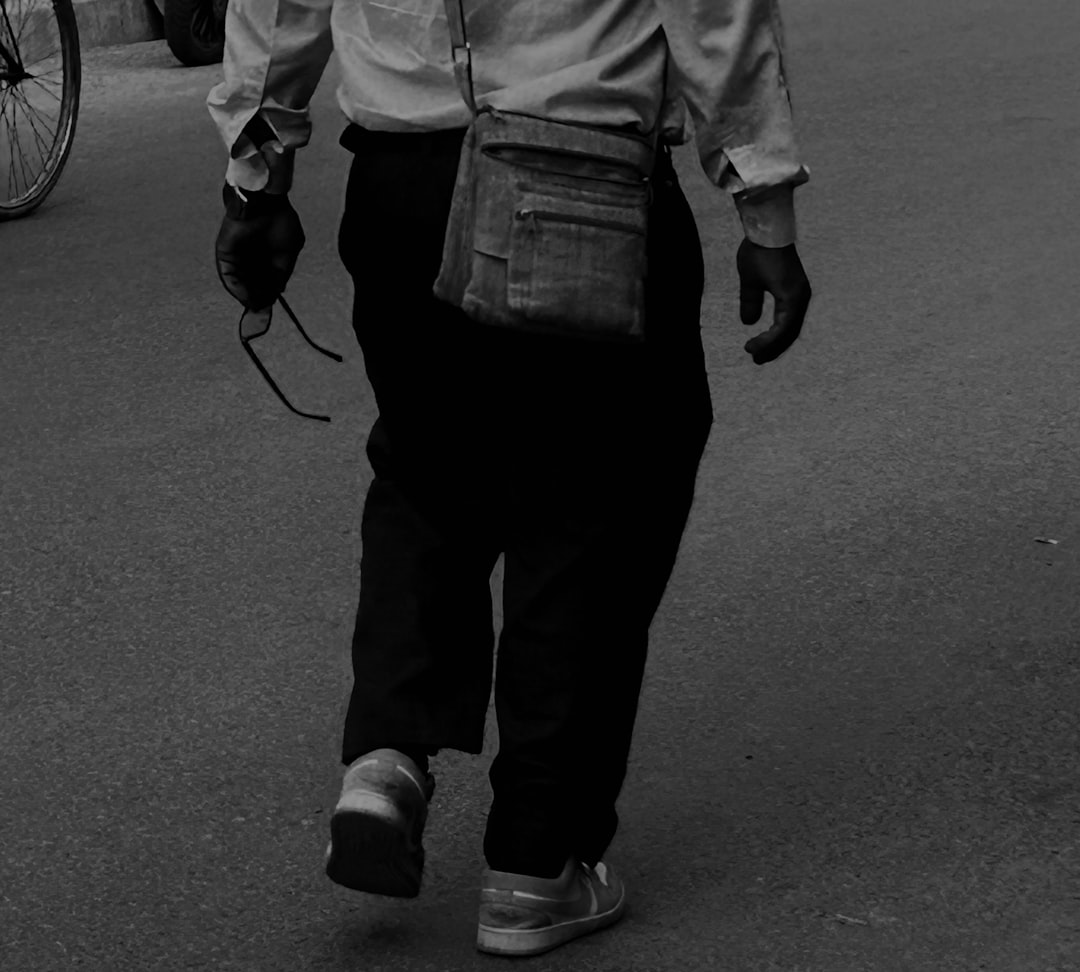
Footwear is critical for daily comfort and safety, whether at work or off-duty. For a medieval-inspired street style, sturdy boots or well-constructed leather shoes are often a good fit. Prioritize options with good arch support, durable soles, and weather resistance. Avoid overly ornate or delicate styles that won’t hold up to city walking or require excessive maintenance. Practical footwear choices ensure you remain comfortable and presentable throughout your day, reflecting a sensible approach to personal appearance.
Maintaining Your Distinctive Wardrobe
Just like work uniforms, personal clothing requires regular care to maintain its appearance and extend its lifespan. For medieval-inspired pieces, pay attention to specific fabric care instructions. Invest in quality hangers to prevent stretching and store garments properly to avoid wrinkles and damage. Promptly address minor repairs like loose buttons or small tears. A well-maintained wardrobe, regardless of its style, signals attention to detail and a respect for your belongings, qualities that resonate in any professional setting.

Smart Budgeting for Quality Pieces
Building a distinctive wardrobe does not require an unlimited budget. Focus on acquiring a few high-quality, versatile pieces rather than many inexpensive items. Consider secondhand stores or online marketplaces for unique finds that align with your aesthetic. Prioritize items that can be mixed and matched to create multiple outfits. This practical approach to budgeting ensures you build a durable and stylish wardrobe over time, making smart financial decisions that benefit your overall presentation.

 Templar Uniform Editorial


