
The Knights Templar tabard is more than a mere garment; it is a banner worn upon the body, a symbol of unwavering faith, martial prowess, and solemn vows. Its stark white field, emblazoned with the blood-red cross, is an icon recognized across centuries. For the modern historian, reenactor, or enthusiast, creating a tabard is not just a sewing project—it’s an act of connection with the past. But to truly honor the legacy of the Poor Fellow-Soldiers of Christ, the garment must be built to last. This isn’t about fast fashion; it’s about creating a piece that can withstand the rigors of a mock battle, the elements of an outdoor faire, and the test of time. Welcome to the art of tabard patterns, where every choice of fabric and every pass of the needle is a stitch in history. In this guide, we’ll delve into the foundational elements of crafting a Templar tabard that is both historically resonant and incredibly durable, ensuring your creation is worthy of the legend it represents.
Decoding the blueprint: Choosing the right Templar tabard pattern
Before a single thread is sewn, the journey begins with a pattern. This blueprint determines the silhouette, fit, and historical accuracy of your tabard. The beauty of this iconic garment lies in its simplicity, but subtle variations can speak volumes about the era you wish to represent and the function you intend for it. Historically, the Templar tabard was a straightforward, functional piece of clothing designed to be worn over armor. It identified the wearer on a chaotic battlefield and protected the metal plates and mail from the sun and rain. Therefore, the most authentic patterns reflect this practicality. The basic shape is a simple rectangle of fabric folded at the shoulders, with a hole cut for the head. The sides were often left open or stitched partially, allowing for freedom of movement and easy ventilation. However, for a more tailored ‘custom crusader creation,’ you may want to explore some nuances. Consider the neck opening. A simple circular or square cut is common, but a ‘keyhole’ neckline—a round opening with a short, straight slit down the front—was also prevalent in the medieval period. This design allows the garment to be pulled easily over a helmet or coif while still sitting snugly around the neck. Another critical consideration is the presence of splits. A long split in the front and back was essential for any knight who fought on horseback, preventing the fabric from bunching up and restricting movement. If your portrayal is that of a foot soldier or you plan to wear it primarily for ceremonial purposes, these splits might be shorter or omitted entirely. When sourcing your pattern, you have several options. You can draft one yourself based on historical illustrations and extant garments found in museums. This is the most authentic route, requiring careful research into the specific period you’re targeting. Alternatively, the internet is a treasure trove. Reenactment forums and historical sewing communities often share free patterns and detailed tutorials. For those who prefer a more guided approach, several companies produce commercial patterns for medieval tunics that can be easily adapted into a tabard. Regardless of your source, taking accurate measurements is paramount. Measure your shoulder width, chest circumference (while wearing any undergarments or armor you plan to use), and the desired length from your shoulder to mid-calf or ankle. A well-fitting tabard should be loose enough for movement but not so baggy that it becomes a hindrance. Remember, this pattern is your foundation. A solid, well-researched blueprint is the first step toward a garment that looks authentic and feels right.

Medieval sewing pattern

By focusing on these foundational details—the cut of the neck, the length of the splits, and a fit tailored to your form and function—you transform a simple piece of cloth into a personalized piece of history. The pattern is more than lines on paper; it’s the soul of the garment, dictating its flow, its function, and its final, formidable appearance.
The fabric of faith: Selecting materials that endure
Once you have your pattern, the next crucial decision is your choice of material. The fabric is the very body of your tabard, and its properties will dictate the garment’s durability, appearance, and historical accuracy. The knights of the 12th and 13th centuries did not have access to modern synthetic blends; they relied on natural, hardworking textiles that could withstand the harsh realities of campaign life. The most historically accurate and enduring choices are wool and linen. Wool was the quintessential outer fabric of the Middle Ages. It’s incredibly durable, naturally water-resistant, and provides insulation in cool weather while remaining breathable. For a Templar tabard, a medium-to-heavy weight wool in a plain or tabby weave is ideal. It possesses a beautiful drape that gives the garment a sense of weight and importance. When selecting a color, remember the Templar code: pure white for the knights, symbolizing their vow of purity, and black or dark brown for the sergeants. Choosing a high-quality wool is an investment that will pay dividends in the longevity of your tabard. Linen is another excellent historical choice, often used as a lining or as the primary fabric for tabards in warmer climates. It is exceptionally strong, breathable, and becomes softer with each wash. A heavy-weight linen can serve as a fantastic, durable alternative to wool, especially for summer events. If historical accuracy is less of a concern than budget or ease of care, modern fabrics can be suitable substitutes. A heavy cotton canvas or duck cloth can mimic the weight and sturdiness of wool at a lower cost. However, be aware that cotton absorbs water readily and lacks the natural temperature-regulating properties of wool. Blends, such as a wool-poly or linen-rayon, can offer a compromise, providing some of the look and feel of natural fibers with easier maintenance. Just as important as the main fabric is the material for the cross. The iconic crux pattée should be made from a contrasting, vibrant red fabric. Red wool felt was a common choice historically, as its edges do not fray, making it easy to appliqué. You can also use a simple red wool or linen fabric, but you will need to finish the edges carefully to prevent them from unraveling over time. One final, non-negotiable step before you cut into your chosen material: pre-wash your fabric. All-natural fibers like wool, linen, and cotton will shrink when washed for the first time. Washing and drying your fabric according to the care instructions before you cut your pattern pieces ensures that your perfectly fitted tabard won’t become unwearably small after its first cleaning. This simple step is the key to a garment that maintains its shape and size for years to come.
Heavy wool fabric

Your choice of fabric is a commitment. It’s a commitment to authenticity, to durability, and to the final feel of the garment in your hands and over your shoulders. Choose wisely, and you’ll have a tabard that not only looks the part but is built to last through many campaigns.
The sacred stitch: Techniques for a resilient garment
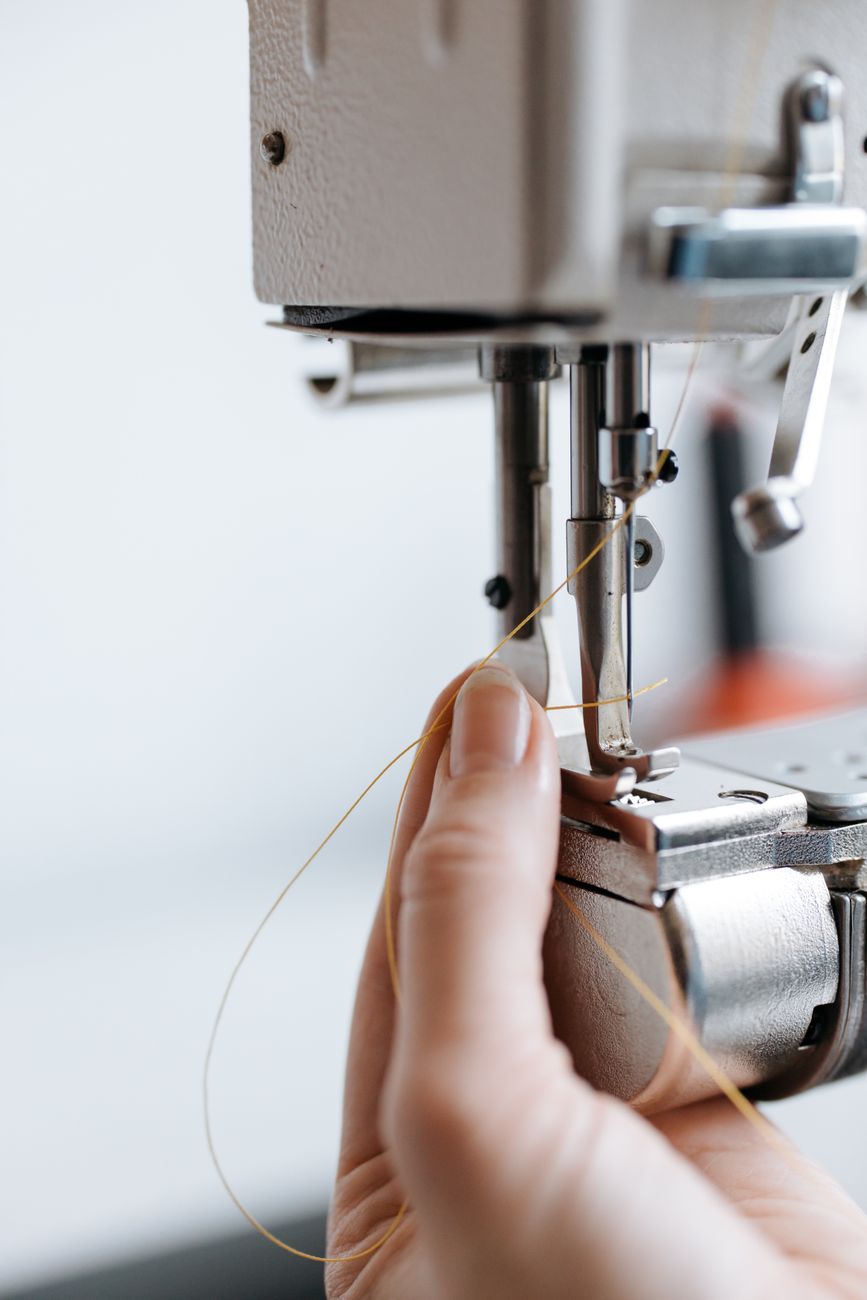
With your pattern cut and your fabric prepared, you arrive at the heart of the craft: the stitching. The techniques you use to assemble your tabard will be the difference between a costume piece that frays after one season and a resilient garment that becomes a trusted part of your gear. Whether you choose the path of historical hand-stitching or the efficiency of a modern sewing machine, focusing on strength is the ultimate goal. For the purist, hand-stitching is the only way to create a truly authentic piece. The most important stitch in your arsenal will be the backstitch. This simple but incredibly strong stitch creates a seam that looks like a solid line on the top side and slightly overlaps on the back. It has a small amount of give but is famously robust, making it perfect for the main construction seams of the tabard. For finishing edges and hemming, the whipstitch or the blind hem stitch provides a clean and durable finish that protects the raw edges of the fabric from fraying. While slower, the process of hand-sewing connects you to the garment in a profound way, mirroring the very methods used by artisans centuries ago. If you opt for a sewing machine, you can still achieve incredible durability. Use a heavy-duty needle (a size 90/14 or 100/16 is appropriate for wool or canvas) and a high-quality, strong thread like a polyester or a cotton-wrapped polyester. To create seams that can withstand serious stress, go beyond a simple straight stitch. Consider using a flat-felled seam, the same type used on modern jeans. This technique encloses the raw edges of the seam allowance within the seam itself, creating a flat, exceptionally strong, and chafe-free finish. Another excellent option is the French seam, which also encloses the raw edges and is perfect for lighter weight fabrics or for creating a very clean interior. The application of the red cross is a pivotal moment in the tabard’s creation. This is where appliqué comes into play. Carefully cut your cross from red wool or felt and pin it precisely in place on the chest of the tabard. To attach it by hand, the blanket stitch is both decorative and highly effective. It wraps thread around the raw edge of the cross, securing it firmly to the white fabric and preventing any fraying. If using a machine, a tight and narrow zigzag stitch or a satin stitch can achieve a similar effect, creating a bold, secure border around the symbol. Finally, pay special attention to areas of high stress. The neckline, armholes, and the tops of any splits are prone to tearing. Reinforce these areas by double-stitching the seams, adding a facing to the neckline, or using bar tacks (a series of tight, overlapping stitches) at the points where splits begin. These small reinforcements are the unsung heroes of a long-lasting garment. They are the details that ensure your tabard remains whole, a steadfast symbol of the knightly ideal through every trial and triumph.
Hand sewing stitches
In conclusion, the creation of a Knights Templar tabard is a journey through history, craftsmanship, and personal expression. It begins with the careful selection of a historically informed pattern, moves to the tactile choice of enduring materials like wool and linen, and culminates in the deliberate, strong stitches that bind it all together. By focusing on durable techniques, whether by hand or machine, you are not just sewing cloth; you are building a legacy. Your finished tabard will be more than a part of a costume. It will be a testament to your skill, a durable piece of functional art, and a tangible link to the legendary order it represents. Go forth and create a garment worthy of the cross it bears.

 Templar Uniform Editorial


