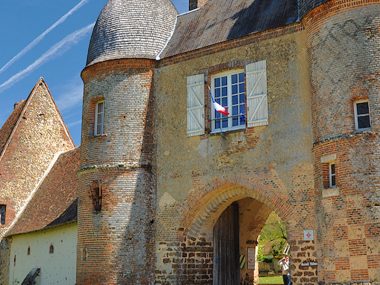
Unveiling the Knights Templar: A Journey into Ancient Lore
From the sun-baked plains of the Holy Land to the shadowed halls of medieval Europe, the Knights Templar carved an indelible mark upon history. More than just a military order, they were a phenomenon: warrior monks, financial innovators, and custodians of secrets, whose legacy continues to fascinate and confound centuries after their dramatic demise. What was it about these enigmatic figures, clad in their distinctive white mantles adorned with a blood-red cross, that allowed them to ascend to such unparalleled power, only to fall with such devastating speed? This journey into Templar heritage invites you to peel back the layers of myth and legend, to walk through the ancient lore that defines one of history’s most captivating brotherhoods.
Our quest begins not with sensationalized tales of hidden treasures or arcane rituals, but with the tangible realities of their existence. We will explore the very foundations upon which their formidable reputation was built, examining the historical context that gave birth to their unique blend of martial prowess and spiritual devotion. Prepare to delve into the heart of their origins, to understand the forces that shaped their destiny, and to confront the enduring questions that continue to echo through the corridors of time. Are you ready to uncover the true essence of Templar heritage?

The Genesis of a Sacred Order: From Humble Beginnings to Holy Warriors
The story of the Knights Templar begins in the aftermath of the First Crusade, amidst the precarious Latin Kingdom of Jerusalem. Pilgrims, emboldened by the Christian conquest of the Holy City, flocked to sacred sites, only to find themselves vulnerable to banditry and attack on the dangerous roads. It was this urgent need for protection that spurred a French knight named Hugues de Payens, along with eight other companions, to approach King Baldwin II of Jerusalem and Warmund, Patriarch of Jerusalem, around 1119. Their proposal was audacious: to form a new kind of monastic order, one dedicated not to cloistered prayer alone, but to the armed defense of pilgrims. This was the birth of the “Poor Fellow-Soldiers of Christ and of the Temple of Solomon.”
Initially, the order was indeed poor, relying on donations and operating from a wing of the royal palace on the Temple Mount, believed to be built over the ruins of Solomon’s Temple – a location that would forever intertwine their identity with profound biblical symbolism. Their early years were marked by hardship and a small membership. However, their fortunes dramatically shifted with the endorsement of one of the most influential figures of the 12th century: Bernard of Clairvaux. A Cistercian abbot and a spiritual giant, Bernard penned *De Laude Novae Militiae* (In Praise of the New Knighthood), a powerful treatise that legitimized the concept of a warrior monk, reconciling the seemingly contradictory ideals of monasticism and warfare. This theological backing was crucial, transforming the Templars from a small band of knights into a divinely sanctioned force.
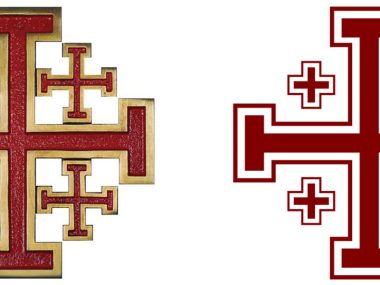
The Council of Troyes in 1129 officially recognized the order, granting them a formal rule, largely influenced by Bernard himself, and a distinctive uniform: a white mantle, symbolizing purity and chastity, to which Pope Eugenius III later added the iconic red cross, a symbol of martyrdom and sacrifice. This papal recognition, coupled with Bernard’s eloquent advocacy, unleashed an unprecedented wave of support. Donations of land, money, and recruits poured in from across Europe. The Templars rapidly grew from a humble guard into a formidable, international military and financial powerhouse, their white mantles and red crosses becoming a beacon of hope and a symbol of unwavering faith in the Holy Land and beyond. 
The Templar Mystique: Symbolism, Rituals, and Secret Knowledge
Beyond their military prowess, the Knights Templar cultivated an aura of mystique, fueled by their unique blend of monastic discipline and martial duty, and later, by the accusations leveled against them. The most recognizable symbol, the red cross on a white field, was far more than a mere emblem; it was a potent declaration of their identity and purpose. The white represented the purity of their monastic vows – poverty, chastity, and obedience – while the red cross signified their willingness to shed blood for Christ, to embrace martyrdom in defense of the Holy Land. This powerful visual identity resonated deeply with the medieval populace, inspiring both awe and devotion. 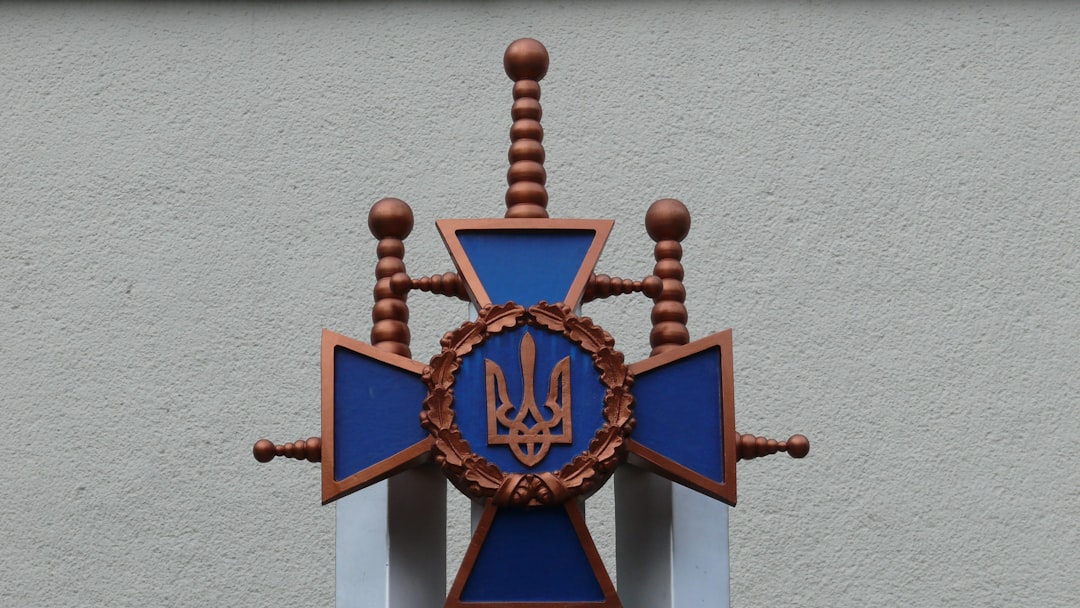
Their connection to the Temple Mount in Jerusalem was another cornerstone of their mystique. Living in what was believed to be the very site of Solomon’s Temple, the Templars were rumored to have conducted extensive excavations. Did they unearth ancient relics, sacred texts, or even the legendary Ark of the Covenant? These tantalizing questions, though largely unsubstantiated by concrete evidence, have fueled centuries of speculation and continue to form the bedrock of many Templar legends. This perceived proximity to profound biblical secrets only deepened the public’s fascination and, eventually, suspicion.
The secretive nature of their initiation rituals and internal workings, common to many medieval orders, later became a weapon against them. Accusations during their suppression included spitting on the cross, denying Christ, and worshipping an idol known as Baphomet. While modern historians largely dismiss these charges as products of torture and political expediency, designed to justify their persecution, they irrevocably stained the Templars’ reputation and cemented their image as a clandestine society guarding forbidden knowledge. These dark whispers, however unfounded, have ensured that the Templar mystique endures, inviting endless speculation about what truly transpired behind the closed doors of their commanderies. 
Architects of Power: Wealth, Influence, and Innovation
The Knights Templar were not merely fierce warriors; they were also astute administrators and groundbreaking innovators, establishing a sophisticated infrastructure that spanned the length and breadth of medieval Europe and the Holy Land. Their rapid accumulation of wealth, through generous donations from grateful monarchs and pious nobles, as well as their own shrewd management of vast landholdings, transformed them into an economic powerhouse. They owned farms, vineyards, mills, and entire villages, generating immense revenue that funded their military operations and charitable endeavors. This wealth was managed with remarkable efficiency, making them one of the most financially influential entities of their time.
Perhaps their most significant, and often overlooked, contribution was the development of an early form of international banking. Pilgrims traveling to the Holy Land faced the perilous task of carrying large sums of money, making them prime targets for robbers. The Templars offered a revolutionary solution: pilgrims could deposit funds at a Templar preceptory in their home country and withdraw an equivalent amount (minus a small fee) at another Templar house in the Holy Land, using a letter of credit. This system, centuries ahead of its time, provided security and facilitated trade, effectively making the Templars the world’s first multinational bank. Kings and nobles also entrusted their treasuries to the Templars, recognizing their unparalleled security and organizational capabilities. 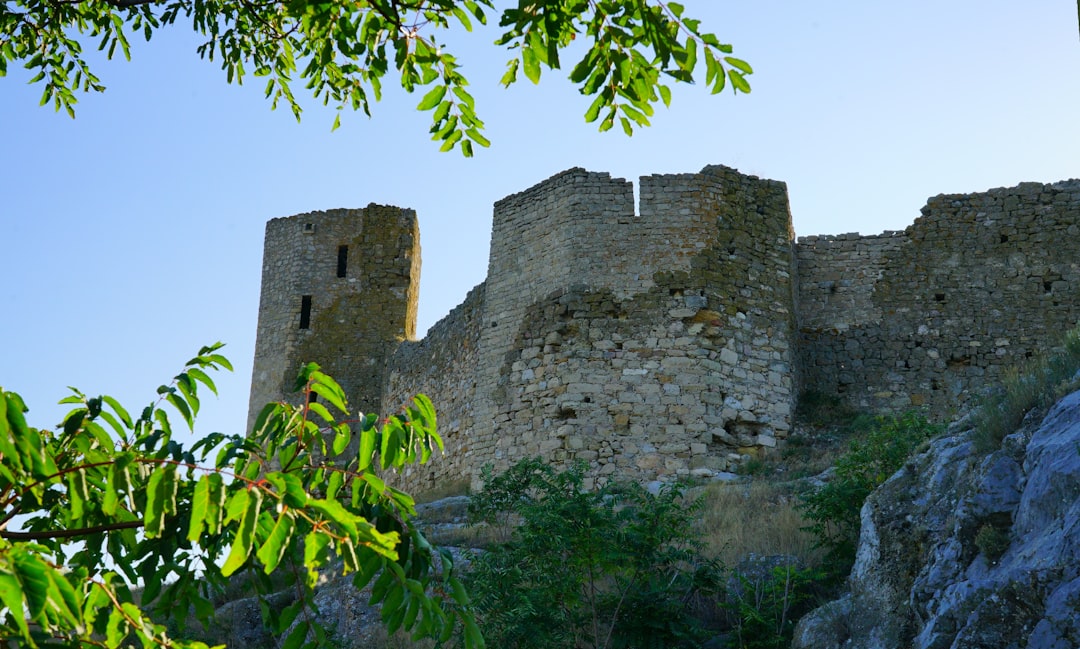
Their military organization was equally impressive. The Templars were an elite fighting force, renowned for their discipline, courage, and tactical prowess. They often formed the vanguard in battle, leading charges with unwavering resolve, and the rearguard during retreats, protecting the main army. Their castles and commanderies, strategically located across Europe and the Middle East, were not just military strongholds but also centers of administration, agriculture, and finance. From the formidable Krak des Chevaliers to the coastal fortress of Atlit, these architectural marvels stood as testaments to their engineering skill and strategic vision, projecting their power and influence across vast territories. Their impact on medieval warfare, finance, and logistics was profound, shaping the political and economic landscape of their era. 
The Shadows Lengthen: Betrayal, Persecution, and the Fall
The Templars’ immense power and wealth, once their greatest assets, ultimately became their undoing. As the Crusades waned and the last Christian strongholds in the Holy Land fell, notably Acre in 1291, the original *raison d’être* of the military orders began to erode. Public opinion in Europe shifted; the cost of maintaining the Holy Land was immense, and the Templars, despite their sacrifices, were increasingly seen as having failed in their primary mission. This created a dangerous vacuum, ripe for exploitation by those who coveted their riches and feared their influence.
The most prominent of these adversaries was King Philip IV of France, known as Philip the Fair. Deeply in debt to the Templars and eager to consolidate royal power, Philip saw an opportunity to seize their vast assets and eliminate a powerful, independent entity within his kingdom. On Friday, October 13, 1307 – a date forever etched in infamy – Philip launched a coordinated, kingdom-wide arrest of Templars, accusing them of heresy, idolatry, sodomy, and a host of other blasphemous crimes. The accusations were sensational and designed to shock and outrage the pious populace, justifying the king’s unprecedented actions.
Under brutal torture, many Templars, including the Grand Master Jacques de Molay, confessed to fabricated charges. Despite later recantations, the damage was done. Pope Clement V, initially hesitant, eventually succumbed to Philip’s immense pressure, issuing the papal bull *Vox in excelso* in 1312, which officially dissolved the Order of the Temple. The final, tragic act unfolded on March 18, 1314, when Jacques de Molay and Geoffroi de Charney were burned at the stake in Paris. Legend claims that de Molay, amidst the flames, cursed both the Pope and the King, prophesying their deaths within a year – a prophecy that, eerily, came true. The dramatic and unjust suppression of the Templars left an enduring scar on history, cementing their image as victims of political intrigue and setting the stage for centuries of speculation about their true fate and hidden legacy. 
Echoes Through Time: The Enduring Templar Legacy
Despite their official dissolution, the Knights Templar did not simply vanish into thin air. The abruptness and brutality of their suppression immediately gave rise to theories of survival, fueling the very mystique that had been used against them. In Portugal, King Dinis shrewdly rebranded the Templars as the Order of Christ, preserving their assets and much of their structure, and ensuring their continued influence, particularly in the age of exploration. Elsewhere, whispers persisted of Templars escaping to Scotland, beyond the reach of Philip IV and the Pope, or finding refuge in other lands, carrying with them their secrets and perhaps, their fabled treasures. These survival theories have captivated generations, suggesting that the Templar flame was never truly extinguished, but merely went underground.
The Templars’ legacy is perhaps most vibrant in the realm of popular culture, where their story has been endlessly reinterpreted and reimagined. From Umberto Eco’s *Foucault’s Pendulum* to Dan Brown’s *The Da Vinci Code*, and from blockbuster films like *Indiana Jones and the Last Crusade* to video game franchises like *Assassin’s Creed*, the Templars have become synonymous with secret societies, ancient conspiracies, and the quest for hidden truths. This pervasive presence in modern media speaks to an insatiable human fascination with their blend of piety and power, their dramatic rise and fall, and the tantalizing possibility of untold secrets still waiting to be uncovered. 
Beyond the realm of fiction, the Templar legacy continues to inspire various modern organizations. Many Masonic lodges trace their lineage, however symbolically, back to the Knights Templar, incorporating Templar themes and rituals into their practices. Other groups, ranging from historical reenactment societies to charitable organizations, proudly adopt the Templar name and symbols, seeking to embody the chivalric ideals of courage, honor, and service. Whether through direct lineage or symbolic homage, the spirit of the Templars endures, a testament to the profound impact they had on the collective imagination and the enduring power of their legend. 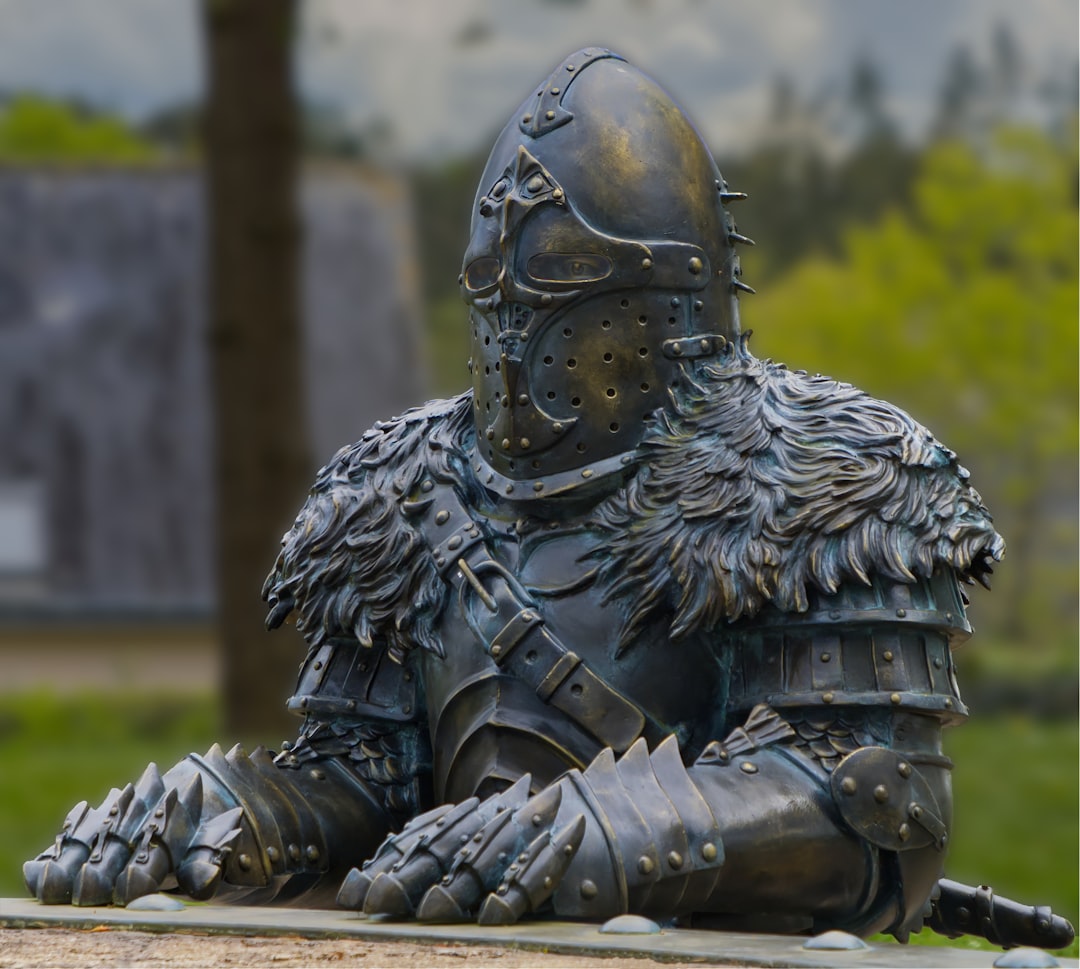
The Unfolding Tapestry: Why the Templar Story Still Captivates
Why, after more than seven centuries, do the Knights Templar continue to hold such an unbreakable grip on our collective imagination? Is it the allure of their white mantles and red crosses, symbols of an era when faith and steel forged empires? Is it the tantalizing whisper of hidden knowledge, of secrets unearthed beneath the Temple Mount, or the enduring mystery of their alleged survival? Perhaps it is the universal human fascination with power, its acquisition, its exercise, and its ultimate, devastating loss. The Templar story is a rich tapestry woven with threads of unwavering faith, immense wealth, military genius, political intrigue, and tragic betrayal, making it a timeless narrative that resonates across generations.
Their heritage is a potent reminder of the complex interplay between spiritual devotion and worldly ambition, between the ideals of chivalry and the harsh realities of power politics. It challenges us to question official narratives, to look beyond the surface, and to consider the untold stories that lie beneath the annals of history. The Templars force us to confront the fragility of even the most powerful institutions and the enduring human capacity for both profound loyalty and ruthless treachery. Their legacy is not merely a historical footnote; it is a living, breathing legend that continues to evolve with each new discovery and each fresh interpretation.
As we conclude our walk through ancient Templar lore, the echoes of their footsteps still resonate. They invite us not just to remember their past, but to ponder their enduring relevance. What lessons can we draw from their rise and fall? How does their story inform our understanding of faith, power, and the pursuit of truth in our own times? The Knights Templar remain a powerful symbol, a testament to an age of grand ideals and brutal realities, forever challenging us to seek out the deeper meanings in the unfolding tapestry of history. 
 Templar Uniform Editorial