The Genesis of Templar Aesthetics
The distinctive style of the Knights Templar emerged from a unique blend of monastic vows and military necessity in the 12th century. Founded to protect pilgrims, the Order adopted a uniform that was both practical for combat and deeply symbolic of their spiritual dedication. Initially, Templars wore simple white tunics, reflecting their Cistercian roots and vows of purity, establishing a foundational aesthetic of clarity and purpose.
In 1145, Pope Eugenius III granted the Templars the right to wear the iconic red cross on their white mantles. This addition was crucial, serving as a powerful visual identifier on the battlefield and distinguishing them from other crusader forces. The uniform’s design was inherently functional, allowing freedom of movement while projecting a recognizable and formidable presence. This fusion of practicality and profound symbolism forged a design language with lasting impact.


Symbolism in Simplicity: The Iconic Red Cross
The Templar uniform’s enduring appeal is rooted in its powerful, yet simple, symbolism. The white mantle represented purity, chastity, and the spiritual commitment of the warrior monks. It stood in stark contrast to the often elaborate attire of secular knights, emphasizing the Templars’ ascetic discipline and devotion. This visual purity communicated their unique status within the medieval military landscape.
The red cross, typically a “cross pattée,” emblazoned on the white background, was the most potent symbol. Red signified martyrdom and the blood shed for Christ, while the cross itself was a direct representation of their Christian faith and mission. This emblem was more than a badge; it was a sacred vow, a rallying point, and a warning to adversaries, making it an unforgettable design element.

Beyond the Battlefield: Templar Influence on Design
While primarily a military order, the Templars’ aesthetic impact extended far beyond the crusader states. Their distinctive cross and color scheme quickly became associated with courage, piety, and an almost mythical aura. This influence can be observed in various forms of medieval design, from heraldry to early architectural motifs. Other military orders and noble families sometimes adopted similar visual cues to evoke a sense of prestige and purpose.

The clear, strong lines and bold symbolism of Templar design provided a template for effective visual communication. Its straightforwardness made it easily recognizable and memorable, a quality still sought by designers today. The Templar cross, in particular, transcended its original context to become a widely recognized symbol, often reinterpreted across different cultural and historical periods, demonstrating its inherent design strength.
Modern Interpretations and Enduring Legacy
Currently, the Templar style continues to captivate and inspire, finding its way into contemporary fashion, branding, and popular culture. Designers frequently draw upon the clean lines, the powerful red and white contrast, and the iconic cross to evoke a sense of history, strength, and timeless elegance. This influence is evident in everything from high-end fashion collections subtly nodding to medieval aesthetics to more overt uses in graphic design and merchandise.

The enduring appeal stems from the style’s inherent qualities: simplicity, strong symbolism, and a connection to a legendary past. It speaks to a desire for authenticity and a connection to historical narratives. Whether consciously or subconsciously, the visual language established by the Knights Templar centuries ago continues to resonate, proving that effective design, rooted in clear purpose and powerful meaning, truly stands the test of time.
The Timeless Allure of a Legendary Aesthetic
As we look ahead, the Templar aesthetic shows no signs of fading from cultural relevance. Its core principles of clarity, purpose, and powerful symbolism remain highly effective in a world saturated with complex visual information. The ability of a design to communicate profound meaning with minimal elements is a testament to its enduring quality, and the Templar style exemplifies this masterfully.

The legacy of Templar design is a powerful reminder that true style transcends fleeting trends. It is born from a deep understanding of purpose and identity, distilled into a visual language that speaks across generations. The white mantle and red cross, once symbols of a warrior monk order, have evolved into a universal emblem of strength, conviction, and an undeniable historical mystique that continues to inspire and intrigue today.
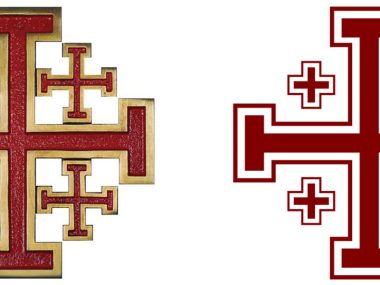
 Templar Uniform Editorial