
For U.S. professionals, balancing a polished appearance with the demands of daily work is a constant. This article explores how to integrate elements of a structured, durable style—what we’re calling “Templar Style” in a modern context—with contemporary streetwear. The goal is to achieve a look that is practical, comfortable, compliant with workplace standards, and projects confidence across healthcare, service, industrial, and office environments.
Understanding how to make smart choices in your professional wardrobe can save time and money. We will focus on practical decisions regarding materials, layering, and accessories to help you build a versatile and resilient work wardrobe that meets your job’s specific needs.

Adapting Structured Style for Daily Work
When we talk about “Templar Style” in a modern context, we are not referring to historical costumes. Instead, think of its core principles: clean lines, functional design, robust materials, and an understated confidence. Translating this to modern professional streetwear means choosing garments that are well-constructed, offer practical utility, and maintain a neat appearance throughout a demanding workday. This approach emphasizes durability and purpose over fleeting trends, making it suitable for various U.S. work settings.
Integrating Streetwear While Meeting Dress Codes
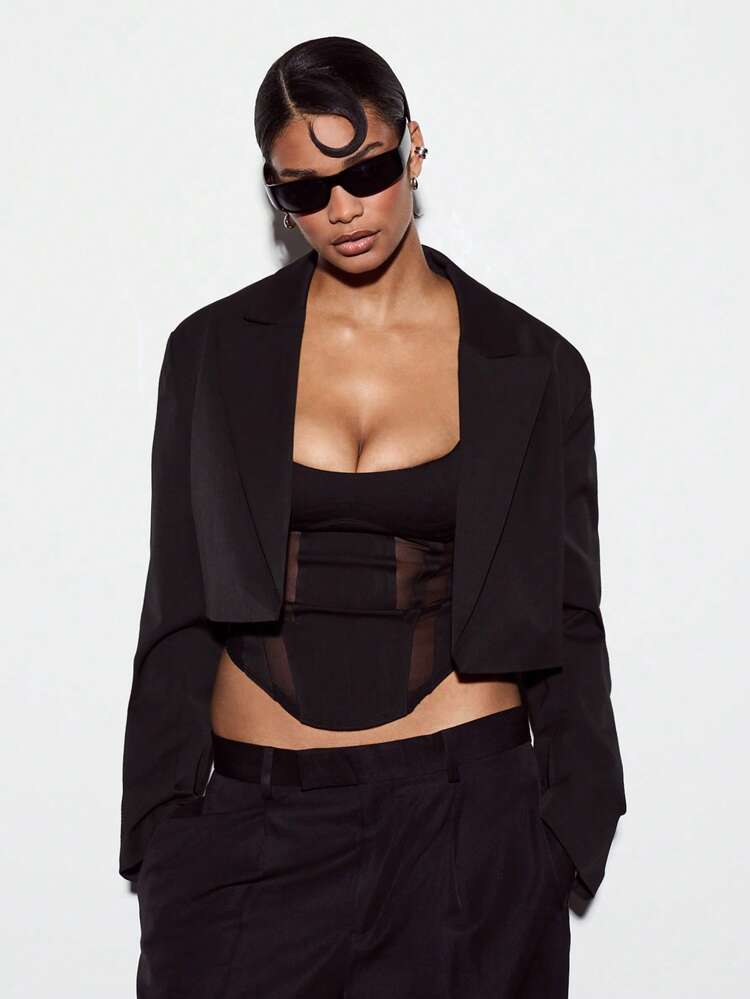
A common challenge is incorporating personal style without violating workplace dress codes. The key is subtlety and understanding your environment. Modern streetwear elements can be integrated through updated silhouettes, specific fabric textures, or thoughtful color palettes rather than overt graphics or overly casual items. For instance, a structured, modern-cut blazer paired with dark, well-fitting work pants and a clean, solid-color t-shirt can bridge the gap between professional and contemporary. Always prioritize compliance with your company’s specific guidelines.

Material Choices for Performance and Longevity
The foundation of a durable work wardrobe lies in its materials. Look for performance blends that offer features like moisture-wicking, stretch for movement, and wrinkle resistance. Durable cottons, technical fabrics, and sturdy twills are practical choices that stand up to repeated wear and washing. These materials contribute to comfort during long shifts and ensure your clothing maintains its professional appearance over time, reducing the need for frequent replacements. This is a practical trade-off: investing in quality materials often means better longevity.

However, the true cost of material choices extends beyond the initial purchase price. Opting for cheaper fabrics often leads to accelerated wear, not just in terms of visible damage like tears or holes, but also in reduced structural integrity. This means seams might give out sooner, colors fade unevenly, or the fabric loses its shape and supportive qualities well before its expected lifespan. The downstream effect is a constant cycle of reordering and replacing, which consumes valuable administrative time and resources that could be better spent elsewhere.
Beyond the fabric itself, the quality of components and construction is frequently overlooked. A garment made from a durable material can still fail prematurely if the stitching is weak, buttons are flimsy, or zippers are prone to snagging. These non-fabric elements are critical failure points that can render an otherwise good uniform unusable. In practice, a uniform’s overall longevity is a chain, and its strength is determined by its weakest link, not just the primary material.
Furthermore, the impact on daily operations and employee morale is a significant, yet often unquantified, consequence. When uniforms consistently show signs of premature wear or require frequent mending, it can create frustration among staff. This isn’t just about comfort; it subtly undermines the professional image of the team and can signal a lack of investment in their daily working conditions, affecting overall job satisfaction and how employees perceive their role.
Layering for Function and Professional Appearance
Strategic layering is essential for adaptability in diverse work environments, from temperature-controlled offices to variable industrial settings. A well-chosen base layer, a structured shirt, and a practical, professional jacket or vest can provide warmth, allow for temperature regulation, and add depth to your outfit. Layering also offers flexibility, letting you adjust your attire as your tasks or environment change throughout the day. This approach ensures you remain comfortable and presentable.

Footwear and Accessories: The Functional Finish
Footwear must balance comfort, safety, and a professional look. Depending on your role, this could mean non-slip soles, protective toes, or simply supportive, well-maintained shoes. Accessories should also serve a practical purpose. Choose durable bags that can carry work essentials, and select watches or belts that complement your overall look without being distracting or overly casual. Every item should contribute to your efficiency and professional image, not detract from it.

Investing in Quality: Durability vs. Upfront Cost
When building a professional wardrobe, consider the long-term value of your purchases. While cheaper items might seem appealing initially, they often require more frequent replacement, leading to higher costs over time. Investing in higher-quality garments made from durable materials typically means better longevity and a more consistent professional appearance. Evaluate the cost-per-wear and prioritize items that will withstand the demands of your job, aligning your budget with the need for reliable, long-lasting workwear.

 Templar Uniform Editorial


