
The lost language of chivalry: understanding the basics of heraldry
Before a knight was recognized by his face, he was known by his shield. In the thunderous clash of a mêlée or the formal procession of a tournament, a knight’s identity was not in his name, but in the vibrant, symbolic language emblazoned across his armor and banners. This visual language is heraldry, the ancient art and science of devising, granting, and marshalling coats of arms. Far from being a dusty relic of the past, heraldry is a powerful system of identity that speaks volumes without uttering a single word, and it’s poised for a remarkable resurgence in 2025.
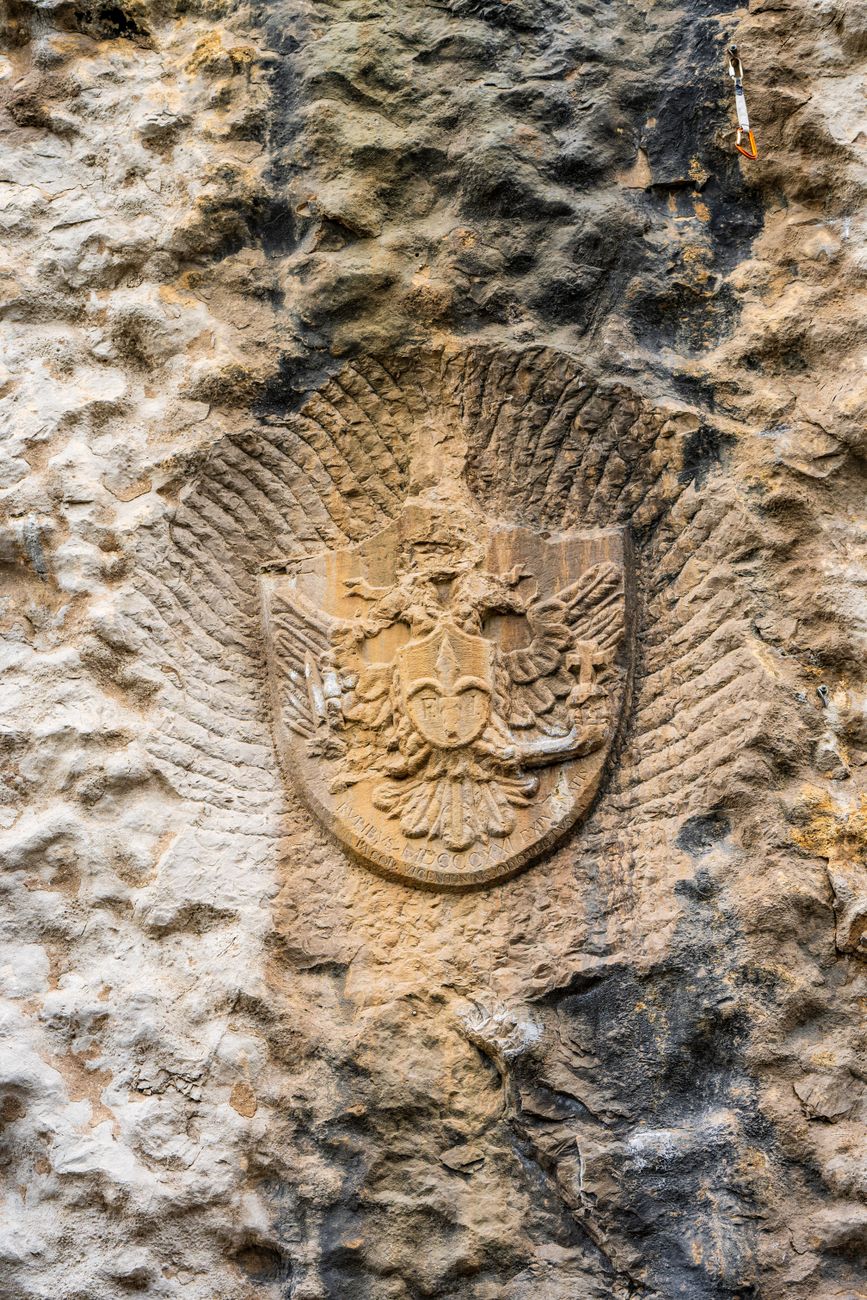
At its core, heraldry is a form of visual shorthand, born of necessity on the medieval battlefield. With knights encased in steel from head to toe, unique and easily identifiable symbols were crucial for distinguishing friend from foe. But it quickly evolved from a practical tool into a sophisticated expression of lineage, achievement, and allegiance. A complete coat of arms, or an achievement, consists of several key components. The centerpiece is the escutcheon, or the shield, which serves as the canvas. Upon this canvas are displayed the primary symbols. Above the shield sits the helm (helmet), its style often indicating the rank of the bearer. Surmounting the helm is the crest, a three-dimensional object that was once worn in tournaments. Flowing from the helm is the mantling, a representation of the cloth that protected the knight from the sun, often shown tattered from battle. Finally, a motto on a scroll beneath the shield encapsulates the bearer’s values or a family war cry.

The visual grammar of heraldry is governed by a set of strict rules, the most fundamental of which is the ‘rule of tincture’. The tinctures, or colors, are divided into three categories: metals (Or/gold and Argent/silver), colours (Gules/red, Azure/blue, Sable/black, Vert/green, and Purpure/purple), and furs (like Ermine and Vair). The rule dictates that a metal should not be placed upon another metal, nor a colour upon another colour. This ensures clarity and contrast, making the design visible from a distance—a vital consideration in its martial origins.
The symbols themselves, known as charges, are a rich vocabulary of meaning. A lion might represent courage and royalty, an eagle signifies power and nobility, and a boar denotes ferocity. Geometric divisions of the shield, known as ordinaries, also carry weight. The chevron can represent protection or the gables of a house, while the simple, elegant cross is one of the most powerful and prevalent symbols. For students of chivalrous orders, the heraldry of the Knights Templar is a masterclass in potent simplicity. Their famous banner, the Beauceant, was a stark field of black over white, symbolizing the fierce battle against sin and their dual nature as monks and warriors. The iconic red cross on a white mantle, granted by Pope Eugenius III, became their universal identifier—a symbol of martyrdom and faith that needed no further explanation. This minimalist approach demonstrates the core principle of great heraldry: a clear, powerful message conveyed with grace and precision.
From battlefield to brand: why heraldry is making a comeback in 2025
In an age of fleeting digital trends and disposable identities, the permanence and profound meaning of heraldry are resonating with a new generation. The revival we’re witnessing is not about a return to feudalism, but a search for something tangible and lasting in a world that often feels intangible and temporary. This modern renaissance of chivalrous symbolism is fueled by several powerful cultural currents that are set to converge in 2025.
First and foremost is the deep-seated human desire for identity and legacy. Social media profiles offer a curated glimpse of who we are, but a coat of arms tells a story. It connects us to our past, defines our present values, and projects our aspirations for the future. The explosion in genealogy and services like DNA ancestry testing has ignited a passion for personal history. As people uncover their family trees, many are discovering ancestral coats of arms or, more importantly, are inspired to create new ones for their modern families. A coat of arms becomes a new family heirloom, a visual anchor for future generations.
Pop culture has also served as a powerful catalyst. Blockbuster series like Game of Thrones, with its warring houses each defined by their sigils—the Stark direwolf, the Lannister lion, the Targaryen dragon—have reintroduced heraldry to a massive global audience. Fantasy video games and literature use heraldic systems for world-building, showing how these symbols can instantly convey the culture, values, and power of a faction. This has demystified heraldry, transforming it from an obscure historical subject into a dynamic and compelling storytelling device. People no longer see it as the exclusive domain of royalty but as a tool for personal expression.
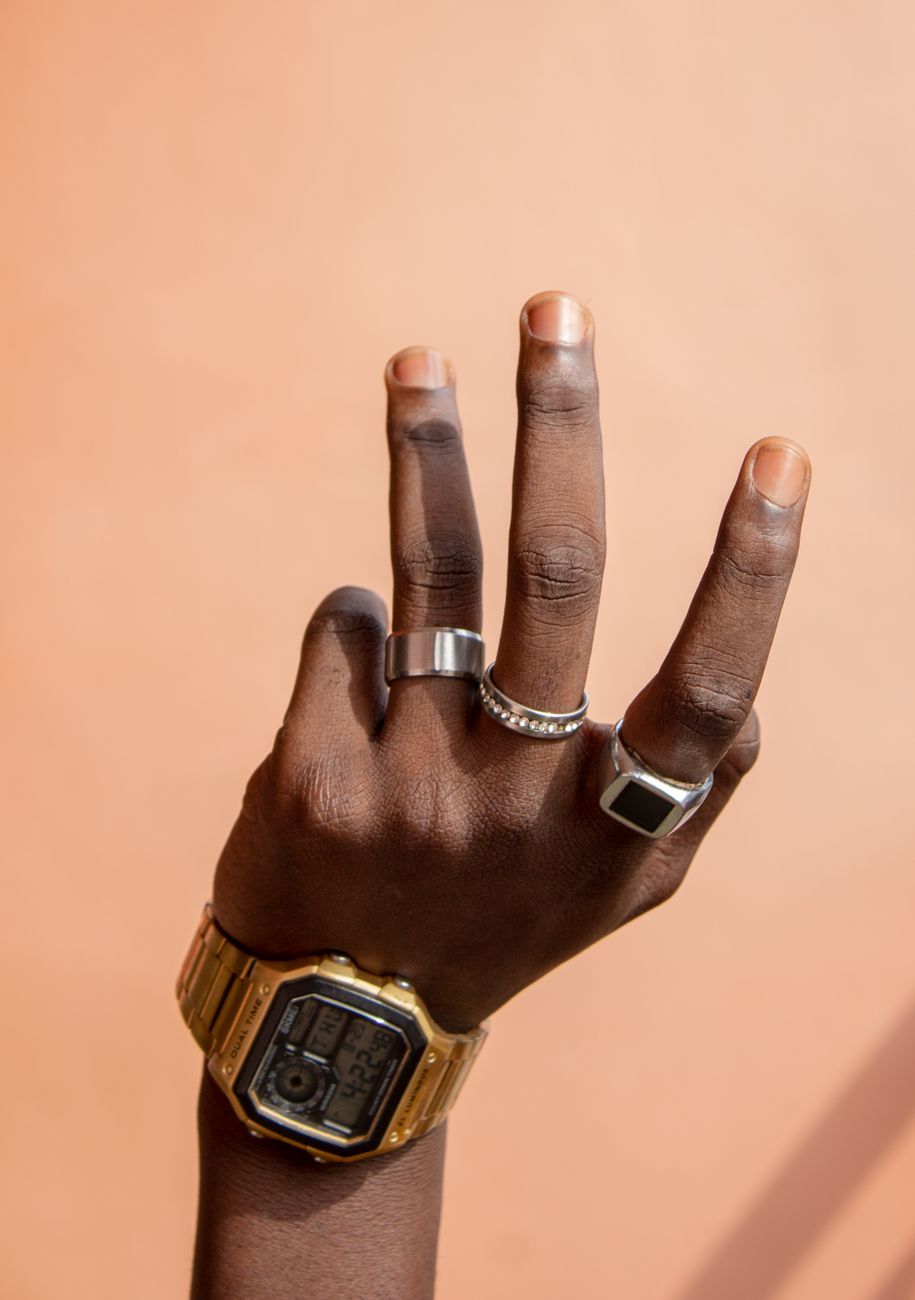
This renewed interest is manifesting in the world of chivalrous apparel and accessories. The signet ring, once an aristocratic tool for sealing documents, is experiencing a massive revival as a piece of personal statement jewelry, often engraved with a personal crest. Custom-embroidered blazers, cufflinks, and even simple patches bearing a personal coat of arms are becoming popular ways to express individuality with a touch of classic elegance. This is where heraldry transcends history and becomes a part of a modern, curated style. It’s about wearing your story, not just a brand logo. In 2025, we predict a move towards ‘personal branding’ that is less about corporate aesthetics and more about authentic, heritage-inspired design. A personal coat of arms is the ultimate personal logo—unique, meaningful, and timeless.
Crafting your modern coat of arms: rules and creative freedom
As the appeal of heraldry grows, many are asking: how can I create a coat of arms for myself? The beauty of the modern revival is that it offers a spectrum of approaches, from strict traditionalism to complete creative freedom. Whether you seek to register an official coat of arms with a heraldic authority or simply wish to design a meaningful symbol for personal use, the process is a rewarding journey of self-discovery.
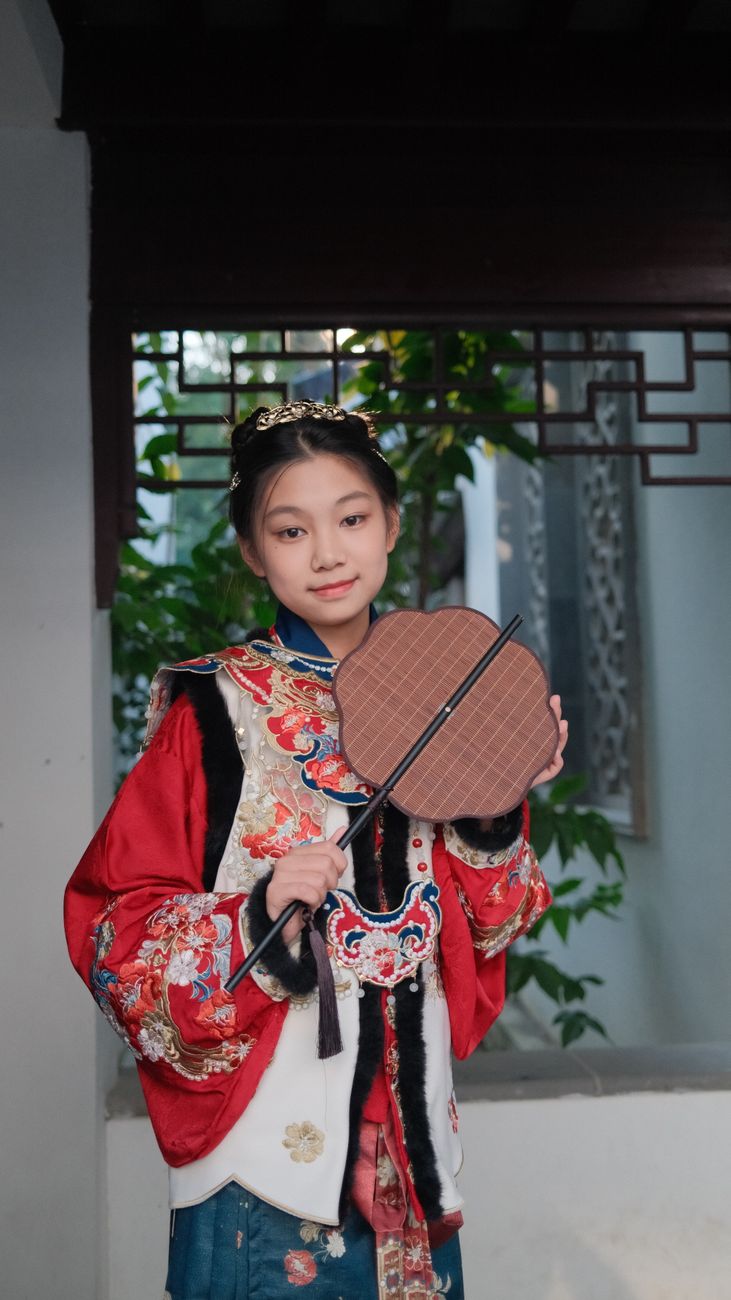
For the traditionalist, adhering to the ancient rules is part of the art. Following the rule of tincture and using established charges lends an air of authenticity and historical weight to your design. This path requires research and a respect for the centuries of tradition that have shaped the craft. However, the modern world also offers new symbols. While a medieval knight might have chosen a sword or a tower, a modern individual could incorporate a microchip to represent a career in technology, a book for a love of literature, or a stylized soundwave for a musician. The key is to distill a complex idea into a simple, elegant visual.
The first step in designing your own arms is introspection. Think about the core pillars of your identity. What are your most cherished values? Courage, loyalty, wisdom, creativity? What is your profession or passion? What represents your heritage or the place you call home? Let’s take inspiration from the Templar mindset: focus on what is essential. Their power was in their clarity of purpose, and their heraldry reflected that. A modern coat of arms doesn’t need to be cluttered with a dozen symbols. A few well-chosen charges will have a far greater impact. For instance, you could combine an anchor (for stability and hope) with a key (for knowledge and opportunity) on a blue field (for loyalty and truth).
Color choice is also deeply symbolic. Beyond the classic heraldic meanings, colors have modern psychological associations that you can leverage:
- Gules (Red): Courage, passion, strength, martial prowess.
- Azure (Blue): Truth, loyalty, perseverance, faith.
- Sable (Black): Constancy, wisdom, grief, but also seriousness of purpose.
- Vert (Green): Hope, joy, new life, connection to the land.
- Or (Gold/Yellow): Generosity, wisdom, glory, faith.
- Argent (Silver/White): Peace, sincerity, innocence, purity.
Once you have your ideas, you can sketch them out. There are many online tools and resources available to help you visualize your design, but for a truly professional and lasting result, consider commissioning a heraldic artist. These artists are skilled in the traditions and can help you create a beautiful and technically correct achievement of arms. Whether you choose to follow every rule or forge your own path, the goal is the same: to create a symbol that is authentically you. It is a declaration of who you are and the legacy you wish to build.
As we look toward 2025, the art of heraldry is no longer confined to dusty history books. It is a living, breathing language being rediscovered by those who seek meaning, identity, and a connection to the timeless ideals of chivalry. It is a testament to the fact that a powerful symbol can transcend centuries, and that the quest to know ourselves and declare our story to the world is an eternal human endeavor. So, what story will your shield tell?

 Templar Uniform Editorial


