The sacred space: building a bridge to the Templar past
The Knights Templar endure not merely as historical figures, but as powerful archetypes of faith, martial prowess, and unwavering devotion. Their legend, etched in the stone of chapels and the pages of history, calls to many of us. Beyond the iconic white mantle and red cross that we so often discuss, there lies a deeper, more contemplative aspect of the Order. This was a spiritual brotherhood, whose members took vows and lived by a strict Rule. How, then, can we, centuries later, connect with this profound spirit in a meaningful way? The answer may lie in the creation of a personal shrine—a dedicated space for reflection, study, and remembrance. This is not about worship, but about respect and the creation of a tangible link to the past. The art of selecting or crafting shrine items is a journey in itself, one that prioritizes authenticity over ornamentation. It is about uncovering the soul of the Order, not just collecting its symbols. In this guide, we will explore how to assemble a collection of items that resonate with the true essence of the Poor Fellow-Soldiers of Christ and of the Temple of Solomon, creating a space that is both historically grounded and personally significant.
The foundation of faith: core symbols of a Templar shrine
Every sacred space begins with a foundation built on core beliefs and symbols. For a Templar-themed shrine, this means focusing on the items that represent their unwavering faith and the very structure of their Order. These are the pieces that anchor the entire collection, speaking to the ‘monk’ half of the warrior-monk identity. When selecting these items, consider the power of simplicity, a virtue the Templars themselves held in high regard.

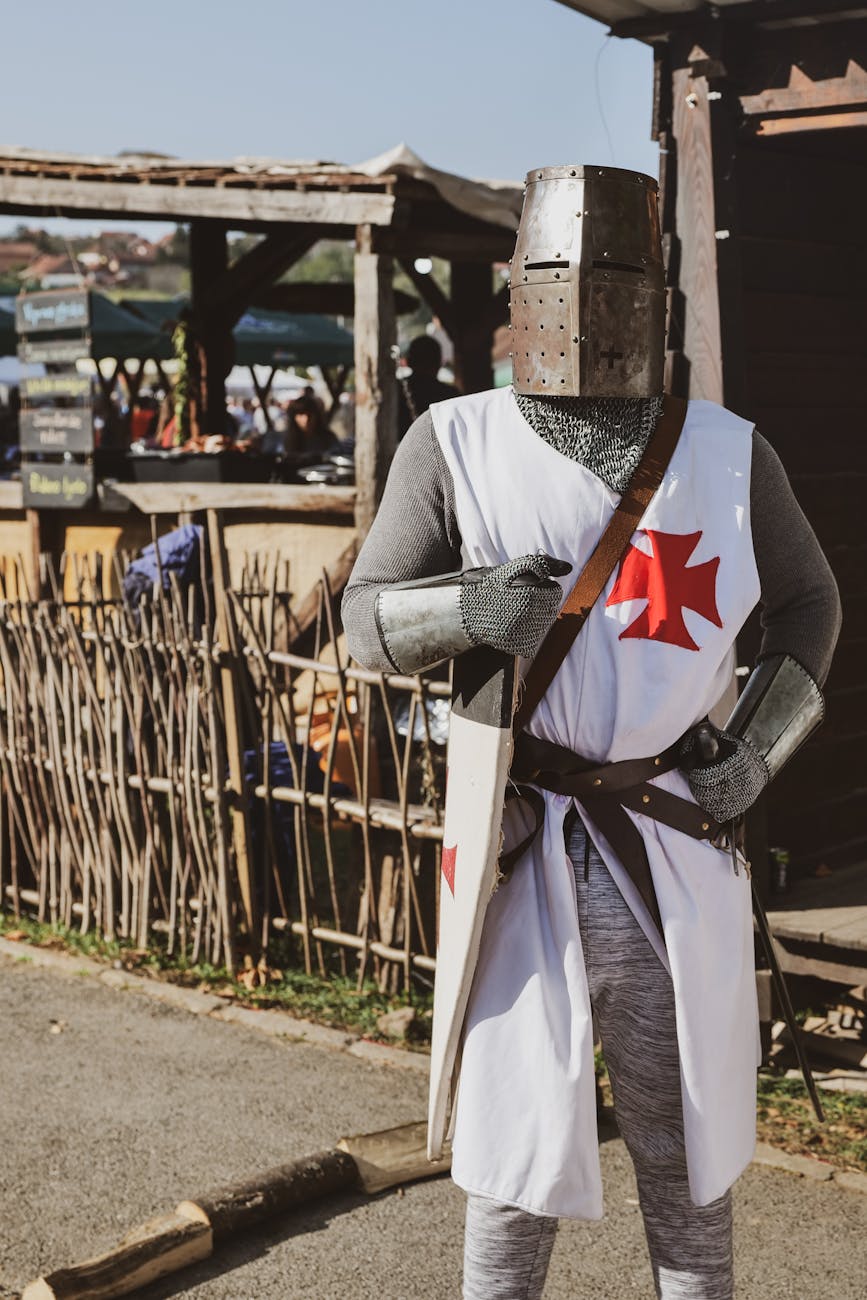
At the heart of any Templar shrine must be the cross. The most recognized is the croix pattée, with its arms narrow at the center and flaring outwards. This symbol, granted for use on their mantles by Pope Eugenius III in 1147, represented the blood of martyrdom the knights were willing to shed. An authentic shrine item would not be a gaudy, jewel-encrusted piece, but something humble and strong. Consider a hand-forged iron cross, its surface bearing the marks of the hammer, evoking the grit and reality of the era. Alternatively, a simple cross carved from dark, aged wood speaks to the Order’s connection to the Holy Land. The material itself tells a story. Iron represents strength and warfare; wood represents humility and the Cross of the Crucifixion.
Next, consider the Bauseant, the Templar battle banner. Its stark division of black and white was a powerful symbol on the battlefield. The black upper half was said to represent the sin and darkness of the world they left behind, while the white lower half signified the purity and light of the Templar life. It was a banner that declared their ferocity to their enemies but their gentleness to their friends. You don’t need a full-sized flag to incorporate its power. A small, hand-stitched miniature banner on a wooden stand, a framed print of its design, or even the simple use of black and white linen cloths on your shrine can effectively invoke its symbolism of duality and purpose.
Finally, no exploration of Templar spirituality is complete without acknowledging the Latin Rule. This was the guiding constitution of the Order, dictating everything from prayer schedules to conduct in battle. Penned by Bernard of Clairvaux, it was the moral and spiritual compass for every knight. Including a representation of the Rule adds an intellectual and philosophical depth to your shrine. You could source a replica scroll with a portion of the text in Latin calligraphy, or find a leather-bound book containing a translation. Even printing and framing a single, powerful tenet—such as the vow of poverty or obedience—can serve as a potent daily reminder of the principles that guided these legendary figures. These foundational items create a space that is not just for display, but for genuine contemplation of the Templar ethos.
Relics of the warrior monk: arms, armor, and personal effects
While their faith was their foundation, the Knights Templar were, undeniably, an elite fighting force. Their role as protectors of pilgrims and defenders of the Crusader states is central to their identity. To honor their complete history, a shrine must also acknowledge this martial aspect. These items should be chosen not to glorify violence, but to respect the duty, discipline, and sacrifice inherent in the life of a Templar warrior. They are symbols of a solemn vow to protect the innocent and defend the faith.

The sword is the most potent symbol of the knight. It was more than a weapon; it was a companion, a tool of justice, and, with its cruciform hilt, a religious icon in its own right. A full-sized, historically accurate replica of a 12th-century arming sword can be a stunning centerpiece, but it’s not always practical. Authenticity can be found in smaller forms. A high-quality miniature sword, a letter opener crafted in the style of a Templar blade, or even a detailed print of an Oakeshott Type X or XI sword can be just as powerful. The key is to choose a design that is simple, functional, and devoid of the fantasy embellishments often seen in modern reproductions. The Templar sword was a tool, not a toy, and its representation should reflect that sober reality.
Other elements of armor can add layers of meaning. The iconic great helm, while impressive, can be represented by a miniature replica or a detailed drawing. Its presence evokes the anonymity of the knight, who fought not for personal glory but for his Order. A single gauntlet, perhaps made of steel or stitched leather, can be laid upon the shrine to symbolize a sworn oath, a pledge of service, and the hand that would have held the sword or aided a fallen brother. These pieces remind us of the physical reality and the immense courage it took to don that armor and ride into battle.
To bridge the gap between warrior and monk, consider adding items that speak to their role as pilgrims and protectors. The scallop shell is the traditional symbol of the pilgrim, particularly those on the Camino de Santiago, but it became universally associated with pilgrimage. The Templars’ primary mission was to protect these travelers. A simple, natural scallop shell is a wonderfully authentic and humble item that connects the martial aspect of the Order to its foundational purpose of service. Furthermore, small replica coins from the era or a wax seal bearing the famous image of two knights on a single horse can add a touch of historical texture, making the shrine feel like a curated collection of genuine artifacts from a knight’s personal effects.
The spirit of the craft: sourcing and creating with intention
The final, and perhaps most crucial, element in the art of shrine items is the concept of authenticity itself. In this context, “authentic” does not mean you must possess a priceless artifact dug from the sands of the Levant. True authenticity comes from intention, historical accuracy, and the energy invested in an object. A piece you craft with your own hands, with reverence and focus, can hold more spiritual weight than a mass-produced item from a factory. This is where your personal connection to the Templar legacy is truly forged.
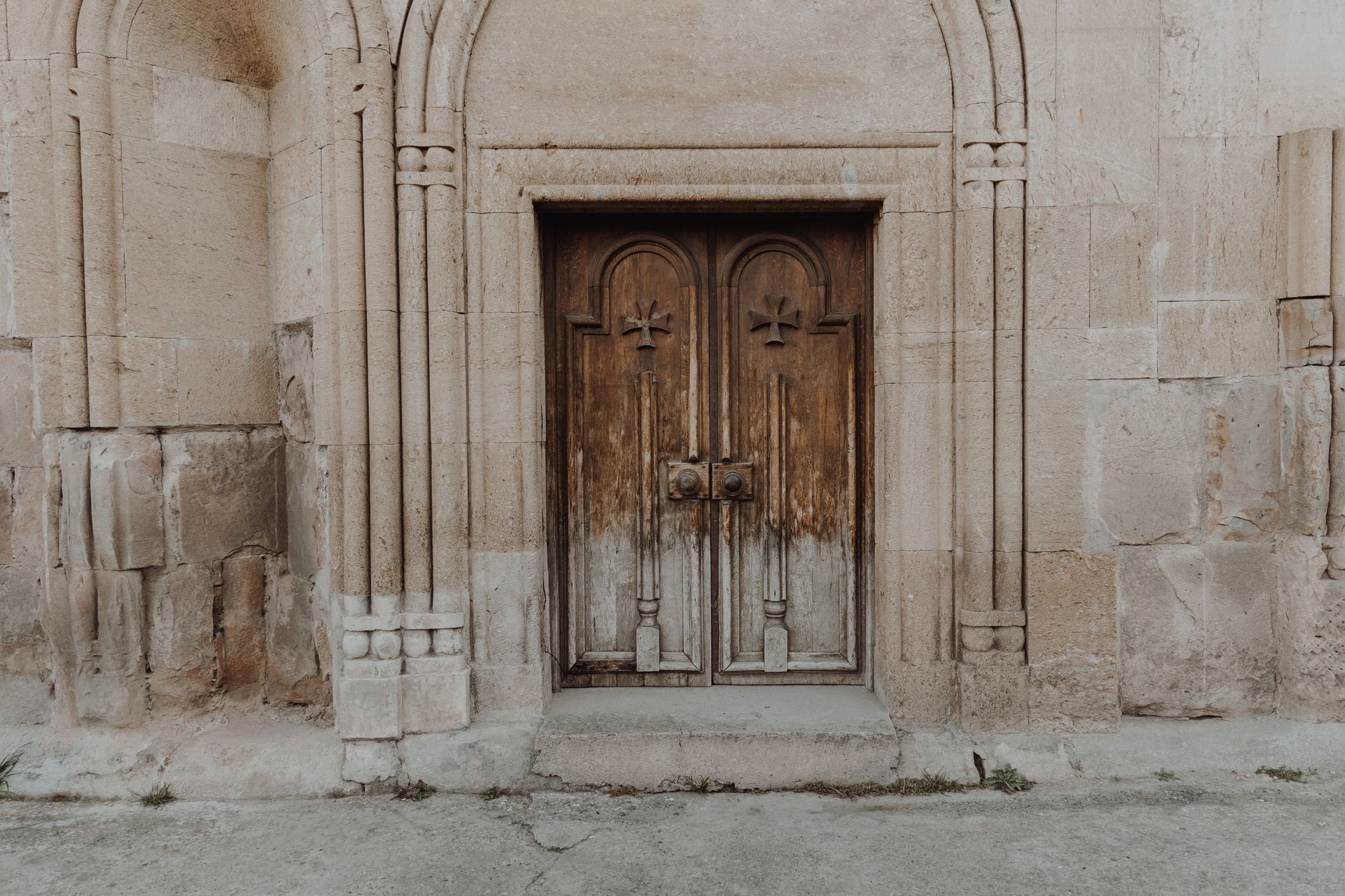
When sourcing items you cannot make yourself, seek out artisans. Look for blacksmiths who forge blades and crosses using traditional methods. Explore the work of leatherworkers who can craft a simple belt pouch or a journal cover reminiscent of the period. Websites like Etsy or visits to local Renaissance Faires can connect you with craftspeople who pour their passion and skill into their work. When you buy from an artisan, you are not just acquiring an object; you are acquiring a piece with a story, a human touch that echoes the pre-industrial age in which the Templars lived. Be discerning. Look for items made from natural materials: iron, wood, linen, wool, leather. Avoid plastics, garish colors, and anachronistic designs. The Templar aesthetic was one of pious functionality.
Consider, too, the profound satisfaction of creating an item yourself. This act of creation is a form of meditation and connection. You don’t need to be a master craftsman. Try carving a simple croix pattée from a piece of fallen wood. Practice calligraphy by writing out a prayer or a passage from Psalm 115: “Non Nobis Domine, Non Nobis, Sed Nomini Tuo Da Gloriam”—”Not to us, O Lord, not to us, but to Your name give glory.” This, the Templar motto, is a perfect piece to frame. You could learn basic leather stitching to create a small scrip, or pilgrim’s pouch. The imperfections in your handmade items are not flaws; they are marks of your personal journey and your effort to connect with the past. This intentional effort is the very essence of uncovering authenticity.
Ultimately, your shrine should be a reflection of your own path of discovery. It is a quiet corner of the world where the noise of modernity fades and the echoes of history can be heard. By choosing each item with care, focusing on humble materials, historical accuracy, and personal intention, you create more than a collection of objects. You build a bridge of understanding, a space for contemplation, and a personal tribute to the enduring spirit of the Knights Templar.
 Templar Uniform Editorial