
In the ever-shifting landscape of modern fashion, streetwear stands as a dominant force, a language spoken on the pavements of every major city. It’s a culture of expression, identity, and attitude. Yet, as we look towards 2025, a new current is emerging. The fleeting trends of hype and logos are giving way to a deeper desire for meaning, longevity, and purpose. It’s a shift from merely wearing clothes to curating a personal uniform. For those who walk a path of principle, who see style as an extension of their inner code, this evolution feels familiar. It echoes the very tenets of the Knights Templar, an order whose iconic attire was anything but fashion—it was a declaration of purpose, a symbol of a vow, a functional suit of armor for a higher calling. This is the art of chivalrous streetwear: a modern interpretation of a timeless code, built not on fleeting trends, but on the unshakeable foundations of substance and symbolism.
The foundation of modern chivalry: materials and meaning
The strength of the Templar Order was not just in their faith, but in their formidable presence. Their uniform, from the robust leather of their belts to the heavy wool of their mantles, was built for resilience. The iconic white mantle, signifying the purity of their vow, was not a delicate garment; it was a durable piece of apparel designed to withstand the rigors of a campaign. This fundamental principle—quality materials imbued with meaning—is the cornerstone of elevated streetwear in 2025. The era of disposable, fast-fashion garments is waning, replaced by a conscious movement towards pieces that are built to last, to tell a story, and to serve their wearer with integrity.

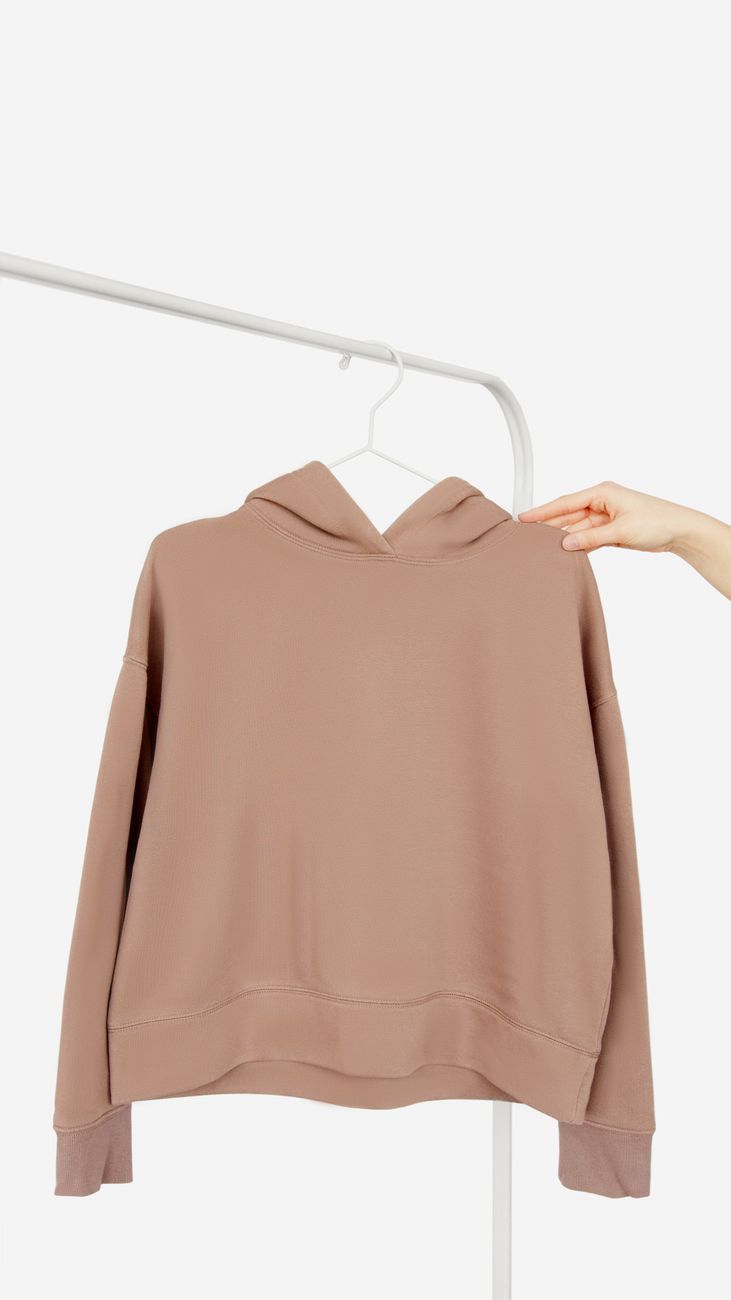
Think of the fabrics that are defining next-generation streetwear. We are seeing a return to heavyweight, durable textiles. The kind of dense, loopback cotton in a hoodie that feels less like a casual top and more like a piece of personal armor against the cold. The rugged twill of a pair of cargo pants, designed not just for aesthetics but for genuine utility. These are the modern equivalents of the Templar’s functional wardrobe. In 2025, the discerning individual looks for Japanese selvedge denim, waxed canvas jackets, and merino wool base layers. These materials are chosen for their character, their longevity, and their ability to perform. A leather jacket isn’t just a fashion statement; it’s a second skin that molds to its owner over years, bearing the scuffs and marks of a life lived, much like a knight’s well-worn gauntlets.
Color, too, plays a crucial role in this new paradigm, just as it did for the Order. The Templars’ stark palette of white and black, punctuated by the blood-red cross, was an instant signifier of their identity and purpose. Modern streetwear is embracing a similar discipline. While vibrant colors have their place, the 2025 aesthetic leans into sophisticated, grounded palettes. Earth tones, monochrome schemes of black, grey, and off-white, and deep, martial shades of olive and navy dominate. This intentional use of color creates a cohesive and powerful silhouette. It communicates a sense of seriousness and self-awareness. A clean, all-black outfit with a focus on texture and fit speaks volumes more than a cacophony of clashing logos. It says that the wearer’s identity isn’t for sale; it is carefully curated and deeply personal. It’s a uniform for the urban crusade.
Symbolism in the stitches: from the cross pattée to modern graphics
A Templar’s mantle was never just a piece of white cloth. Adorned with the fierce, red cross pattée, it was transformed into a banner, a sacred symbol of their unwavering faith and their willingness to be martyred for it. This single, powerful emblem communicated their entire ethos without a single word. In the often-noisy world of streetwear, where brands have historically plastered their logos across every available surface, 2025 marks a profound shift towards this more ancient and meaningful form of symbolism. The focus is moving away from overt branding and towards personal, subtle, and intricate graphics that carry a story.
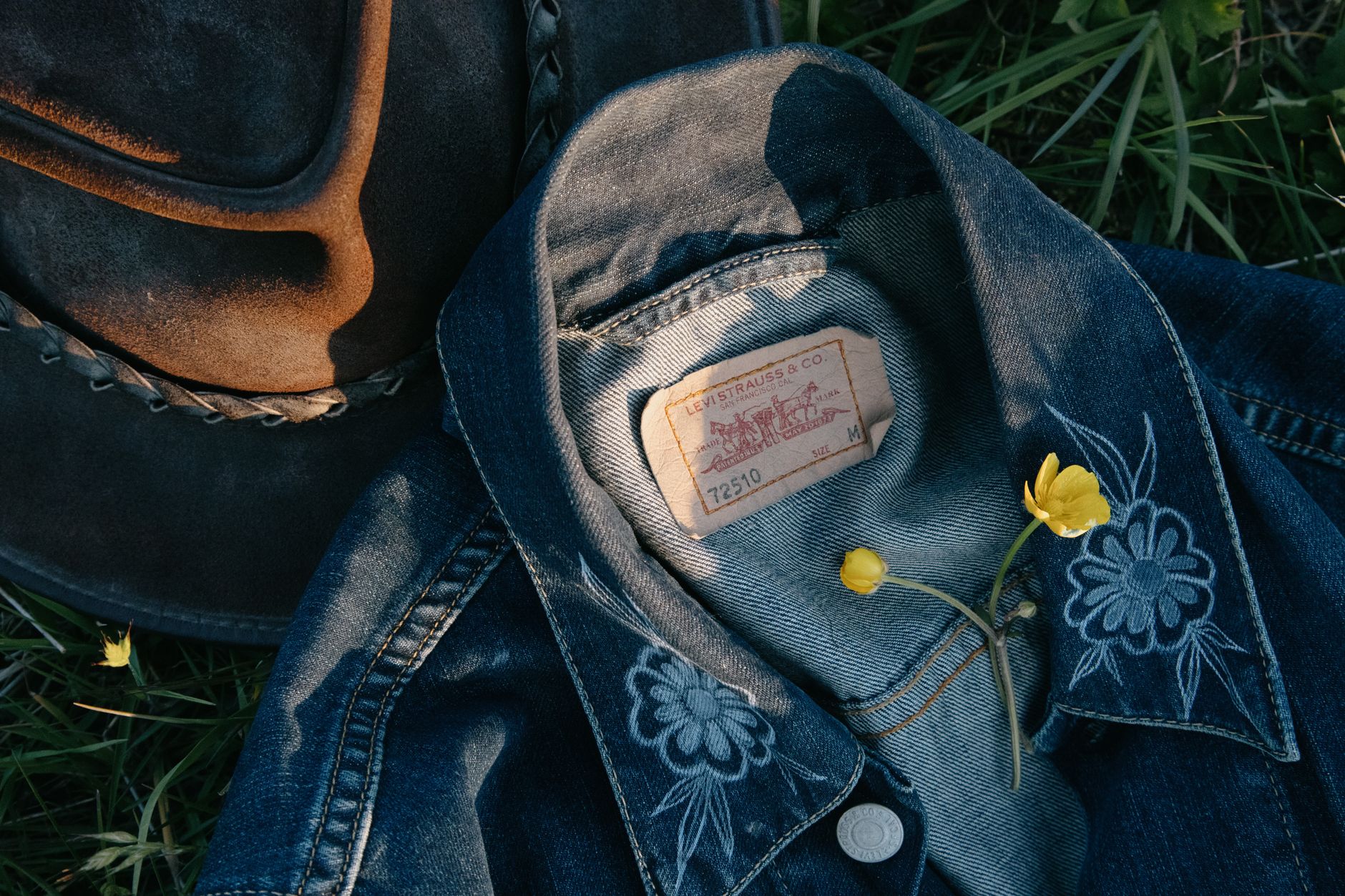
Consider the evolution of the graphic hoodie or tee. The emphasis is now on high-quality, detailed embroidery over cheap screen printing. A small, intricately stitched emblem on the chest—a compass, a lion, a stylized sword—holds more weight and intrigue than a massive brand name. This is the modern equivalent of the personal crest or sigil. It invites curiosity rather than demanding attention. It’s a nod to those who know, a quiet signal of affiliation to a certain mindset or code. Custom patches on a denim or bomber jacket serve a similar purpose, allowing the wearer to build a visual narrative of their journey, their beliefs, and their passions. Each patch becomes a chapter in their story, a modern-day pilgrimage badge.
This trend extends beyond literal symbols. It’s about incorporating meaning into the very construction of the garment. Look for pieces with unique stitching patterns that evoke historical armor, or jackets with linings that feature a subtle, repeating motif significant to the wearer. Jewelry, the quintessential accessory for personal expression, also follows this path. A simple signet ring engraved with a family or personal crest, a pendant bearing a stoic phrase in Latin, or a sturdy leather bracelet—these are the modern relics. They are not flashy or ostentatious but are worn as daily reminders of a personal code. They are anchors in a chaotic world, much like the cross was for the Templar in the heat of battle. The ultimate goal is to create a look where every element has been chosen with intention. It’s about transforming clothing from a mere covering into a testament, where the symbolism is woven directly into the fabric of your identity.
The silhouette of the urban knight: form, function, and future
The visual power of a Knight Templar lay not only in his symbols but in his silhouette. The broad shoulders, the layered look of the tunic over chainmail, and the dramatic sweep of the mantle created an imposing and unforgettable form. It was a silhouette that was both functional and formidable, designed for movement, protection, and presence. As we stride into 2025, streetwear is mirroring this focus on the powerful silhouette, blending utilitarian principles with a refined aesthetic to create the uniform of the modern urban knight.
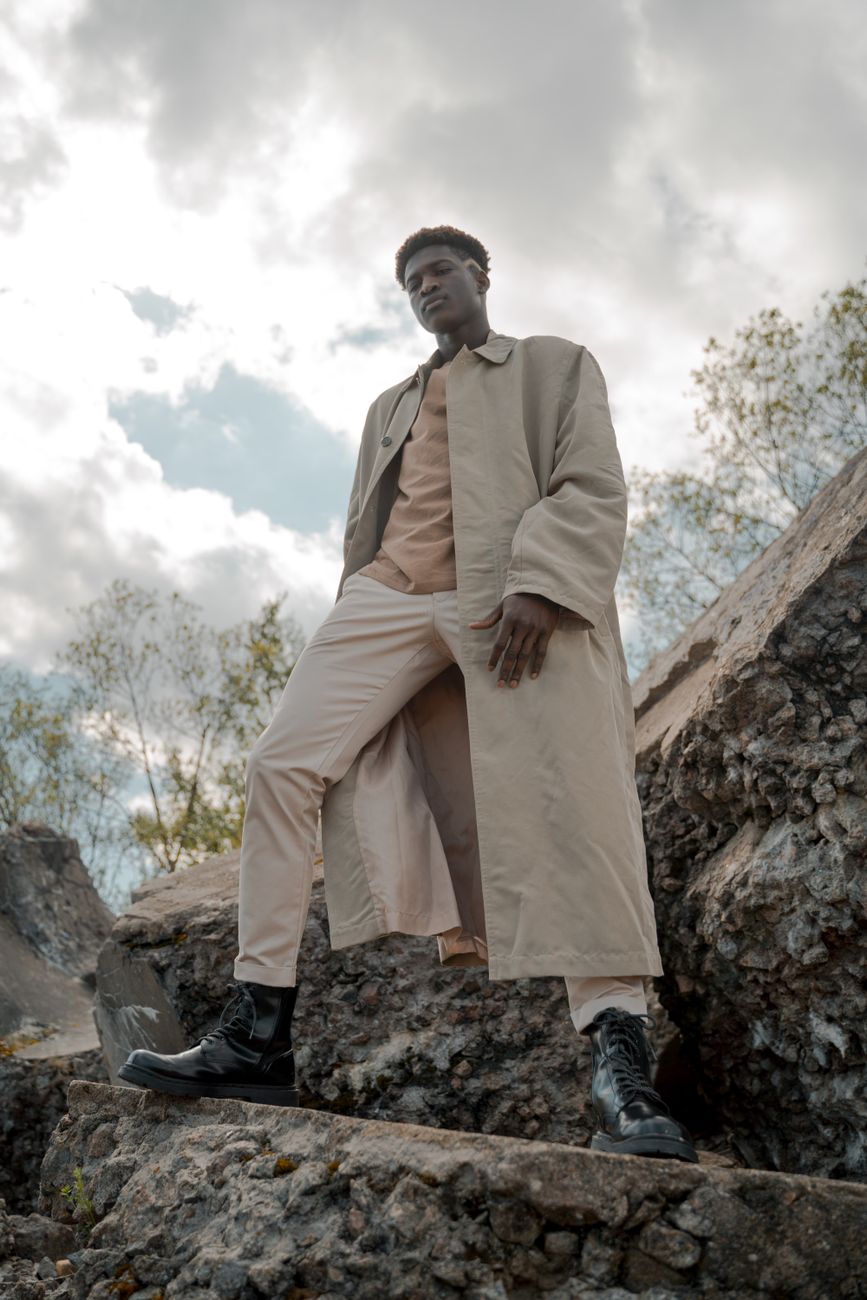
Layering is the most direct parallel. For the Templar, layers were a necessity of combat and travel. For the modern man, layering is the key to creating a dynamic, adaptable, and visually interesting look. The 2025 approach, however, is more considered than simply throwing on multiple pieces. It involves a play on proportions and textures. A slightly oversized, structured overcoat acts as the modern mantle, providing a clean, powerful outer line. Beneath it, a utilitarian vest with functional pockets might serve as a contemporary form of chest plate, worn over a simple, high-quality long-sleeve shirt. This combination of structured outerwear with softer, tailored underlayers creates a silhouette that is both protected and agile.
The fit of individual garments is also evolving. While slim fits have their place, the trend is moving towards more relaxed, architectural shapes that allow for freedom of movement and project a sense of quiet confidence. Trousers are becoming wider, with pleats and a higher rise that nod to classic military tailoring. Jackets and hoodies are cut with more room in the shoulders and body, prioritizing comfort and the ability to layer effectively. This isn’t about shapeless, sloppy clothing; it’s a deliberate and controlled use of volume. It’s the difference between a restrictive suit of decorative armor and a well-articulated suit of plate mail designed for a real battlefield.
Ultimately, the silhouette of the urban knight is a fusion of form and function. It’s about having the right gear for the mission of daily life. This includes tech-wear elements like water-resistant fabrics and hidden pockets, integrated seamlessly into classic designs. It’s a recognition that the modern world is its own kind of battlefield, and one’s attire should be a source of strength, utility, and self-assurance. By focusing on high-quality materials, meaningful symbolism, and a powerful, functional silhouette, the art of streetwear is no longer just about following trends. It’s about forging a personal uniform—a chivalrous suit of apparel for the challenges and crusades of 2025 and beyond.

 Templar Uniform Editorial


