The soul of the order: what constituted a Templar relic?
When we picture the Knights Templar, we often conjure images of stoic warriors in their iconic white mantles, charging into battle with sword and shield. Their uniform was a symbol of their purity and martial prowess. Yet, beneath this hardened exterior lay a core of profound faith. This faith was not just an abstract concept; it was anchored by physical objects of immense spiritual power—the sacred relics they guarded with their lives. But what, exactly, did the Templars consider a holy relic?
Unlike a modern museum collection, a Templar relic was not merely an artifact of historical interest. It was a conduit to the divine, a tangible piece of heaven on earth. For the Poor Fellow-Soldiers of Christ and of the Temple of Solomon, these items were sources of morale, divine favor, and a constant reminder of their sacred oath. Their collection of relics can be understood in a few key categories.

First and foremost were the primary relics, items directly associated with Christ or the saints. The most revered of these was, without a doubt, a fragment of the True Cross. Possessing a piece of the very wood upon which Jesus was crucified was the ultimate spiritual treasure for any Christian entity in the Middle Ages. The Templars were known to have carried their fragment into battle, housed within an ornate reliquary. Its presence was believed to guarantee divine protection, and its capture by Saladin’s forces at the disastrous Battle of Hattin in 1187 was a devastating blow to the morale of all Christendom.
Then there is the persistent and tantalizing legend of the Shroud of Turin. While its documented history is complex and debated, many theories link the enigmatic cloth to the Knights Templar. Proponents suggest the Templars secretly guarded the Shroud after the sack of Constantinople in 1204, venerating it in their private chapels. The unique depiction of a bearded, long-haired man on some Templar seals and art is sometimes cited as evidence of their devotion to the image on the Shroud. While concrete proof remains elusive, the connection between the Templars and the Shroud is a powerful thread in the tapestry of their legend, blending history with holy mystery.
Beyond these pinnacle relics were secondary and tertiary items. These could be the bones of a saint, a piece of clothing worn by a holy figure, or even dust from a sacred site in the Holy Land. The value of these objects was hierarchical, based on their proximity to the divine source. For the Templars, this category also included items unique to their own Order. The mantle of a martyred Grand Master, a battle standard that had flown at a key victory, or the sword of a revered founder could take on the status of a relic. These items were not just memorabilia; they were imbued with the spirit and sacrifice of the Order itself, serving as powerful symbols of their lineage and purpose. In this sense, every Templar’s uniform was a step removed from a relic, a sacred garment that represented their collective oath and devotion.
Guardians of the sacred: the Templar approach to preservation
The Knights Templar were more than just warriors; they were bankers, logisticians, and, most importantly, guardians. Their sacred duty extended from protecting pilgrims on the roads to Jerusalem to safeguarding the holiest artifacts in their possession. The preservation of these relics was not a passive act of storage but an active, ritualized process that combined artistic devotion, military security, and profound spiritual reverence.
The first layer of preservation was physical. Relics were housed in magnificent containers known as reliquaries. These were not simple boxes. They were masterpieces of medieval craftsmanship, fashioned from precious materials like gold, silver, carved ivory, and studded with gemstones. The artistic value of the reliquary was meant to reflect the infinite spiritual value of the object within. Intricate carvings might depict scenes from the life of Christ or the saint associated with the relic. This was preservation as an act of worship, transforming a container into a work of art that glorified God and honored the sacred contents.
Secondly, preservation was a matter of ritual. Relics were not locked away and forgotten. They were integrated into the spiritual life of the Templar preceptories. On special feast days, a particular relic might be brought out for veneration by the knights. The ceremony would involve prayers, chants, and a procession, reaffirming the object’s importance and the knights’ role as its protectors. Carrying a relic like the True Cross into battle was the ultimate ritual, a public declaration of faith and a plea for divine intervention. This regular interaction, governed by strict protocols, kept the relic’s spiritual power alive in the minds and hearts of the knights.
Finally, the Templars applied their renowned logistical and security expertise to the task. Their extensive network of fortifications across Europe and the Holy Land provided the perfect system for securing and transporting high-value items. The most important relics would have been kept in the most secure chapels of their most powerful commanderies, such as the Temple in Paris or London. The Order’s legendary secrecy played a crucial role here. Knowledge of the exact location of their most prized relics would have been restricted to the highest echelons, preventing them from becoming targets for thieves or rivals. This blend of fortress-like security and sworn secrecy created a mystique that has fueled treasure-hunting legends for centuries. Their methods were a masterclass in risk management, treating these spiritual assets with the same meticulous care they applied to their financial fortunes.
Echoes in eternity: the lost treasures and modern preservation
The story of the Templar relics takes a dramatic and mysterious turn on Friday, October 13th, 1307. With the sudden, coordinated arrest of the knights across France, the fate of their legendary treasure and sacred artifacts became one of history’s greatest unanswered questions. What happened to the True Cross, the revered saints’ bones, and the other items they had so carefully guarded for nearly two centuries?
The records from the Templar trials are filled with accusations, but they are conspicuously silent on the recovery of any significant treasure or major relics by King Philip IV’s men. This has given rise to countless theories that have captivated historians and adventurers alike. One popular legend suggests that the Templar fleet, moored at La Rochelle, slipped away in the dead of night just before the arrests, carrying the Order’s most precious items to safety. Destinations proposed by various theories range from Scotland, where they supposedly found refuge with Robert the Bruce, to Portugal, where the Order was rebranded as the Order of Christ, and even across the Atlantic to the New World.
Places like Rosslyn Chapel in Scotland, with its enigmatic carvings and alleged Templar connections, are often cited as potential hiding places. The Oak Island Money Pit in Nova Scotia is another enduring legend, a complex and so-far-fruitless treasure hunt fueled by whispers of a buried Templar hoard. While most of these tales lack concrete historical evidence, they speak to the powerful hold the mystery of the lost Templar relics has on the popular imagination.
A more pragmatic historical view suggests a less dramatic fate. Many Templar assets, including relics, were likely absorbed by their rivals, the Knights Hospitaller, who were officially granted the Templars’ property by the Pope. Other items may have been discreetly passed to other religious houses, looted by local lords in the chaos, or simply lost to the ravages of time. Some may even be sitting in plain sight, their Templar provenance long forgotten, in the treasuries of old European cathedrals.
Today, the art of preservation has evolved. The reverence is still there, but it is now expressed through science and scholarship rather than religious ritual. When an artifact with possible Templar origins surfaces—be it a sword, a coin, or a manuscript—it is subjected to rigorous analysis. Carbon dating, metallurgical studies, and iconographic analysis help historians and archaeologists piece together its story. In museums, these objects are kept in climate-controlled environments, protected from decay. The modern-day guardian is the curator, and their goal is to preserve the artifact’s historical narrative for future generations. The reverence is for the story the object tells, an echo of the spiritual reverence the Templars had for the divine presence they believed it held. The true Templar treasure, in the end, may not be a physical object waiting to be found, but the enduring and powerful legend they left behind.
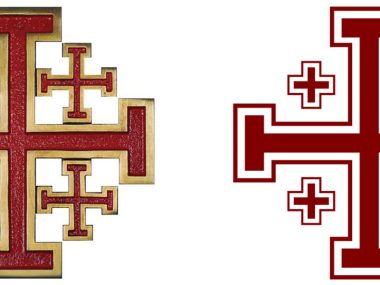
 Templar Uniform Editorial