
In the chronicles of history, few garments are as evocative or as instantly recognizable as the cloak. With a single piece of fabric, one can conjure images of wandering kings, mysterious sages, and, of course, the stoic Knights Templar. Their brilliant white mantle, emblazoned with the stark red cross, was not merely an article of clothing; it was a declaration. It was a symbol of purity, a promise of martyrdom, and a uniform that bound a brotherhood. But what of the cloak today? In a world of hoodies and trench coats, has this powerful garment been relegated to the pages of history and fantasy? We believe not. The spirit of the cloak—its commanding presence, its functional grace, and its deep-seated symbolism—is waiting to be reclaimed. This is your guide to elevating the cloak from a piece of chivalrous apparel to a staple of powerful, daily wear, carrying the legend in every thread.
The enduring symbolism of the Templar mantle
To understand how to wear a cloak today, we must first look back and appreciate its profound origins. For a Knight of the Temple, the mantle was the final piece of their investiture, a physical representation of the vows they had undertaken. Granted by papal decree in 1147, the white mantle, or pallium, was restricted to the knights, setting them apart from the sergeants who wore black or brown. The color white was deliberately chosen to signify the purity of their new life, a commitment to cast off a worldly existence for a life of martial piety.


The addition of the red cross, the croix pattée, came later and signified their willingness to shed blood for their faith—to become martyrs for Christ. This single, powerful symbol worn over the heart transformed the simple woolen garment into a banner of their cause. It was an icon recognized across continents, inspiring both awe in allies and fear in enemies. The mantle was, in essence, the knight’s identity made visible.
Beyond its symbolism, the Templar cloak was intensely practical. Woven from thick wool, it offered crucial protection against the biting winds of a European winter or the chilling nights of the Outremer desert. It served as a blanket on campaign, a shield against rain, and a cushion on hard ground. Its voluminous cut allowed for complete freedom of movement, essential for a warrior on foot or horseback. This duality is key: the Templar cloak was both a sacred vestment and a piece of high-performance gear. It was beautiful in its meaning and brilliant in its function. It is this marriage of purpose and presence that we can draw upon when bringing the cloak into our own lives. It’s not about dressing in costume; it’s about choosing a garment that offers utility while making a clear, confident statement about who you are.
Translating chivalry into modern fabrics and forms
Bringing a garment with such a storied past into the 21st century requires a thoughtful approach to its construction. The goal is to capture the essence—the commanding drape, the practical warmth, the inherent nobility—while adapting it for the modern world. The key lies in selecting the right material and the perfect cut for your daily life and climate.
Choosing your material: the foundation of your cloak

The fabric of your cloak is its most defining feature. It dictates how it hangs, how it feels, and how it performs. While historical accuracy points to heavy wool, modern options provide a wider palette to suit different needs.
- Wool and Wool Blends: The classic, and for good reason. Wool is durable, naturally water-resistant, and breathes well, making it comfortable across a range of temperatures. A heavy, thick wool is ideal for a true winter cloak, offering unparalleled warmth and a weighty, authoritative drape. For autumn or spring, consider a lighter wool flannel or a wool-cashmere blend, which offers softness and a more fluid movement. For a modern, rugged look, a tweed or herringbone pattern adds texture and visual interest.
- Canvas and Heavy Cotton: For a more utilitarian or temperate-weather option, waxed canvas or heavy cotton twill is an excellent choice. These materials evoke a sense of the rugged adventurer or the urban ranger. A waxed canvas cloak provides excellent resistance to wind and rain, making it a stylish and functional alternative to a standard raincoat. It’s less formal than wool but excels in practicality.
- Linen and Linen Blends: Don’t discount the cloak for warmer weather. A long, flowing cloak made from a heavy linen or a linen-cotton blend can be a stunning piece for a cool evening or a windswept day at the coast. Linen has a crisp, ancient texture that looks incredible, though be prepared for its natural tendency to wrinkle, which can be part of its charm.
The cut and the clasp: defining your silhouette
Once you’ve chosen your fabric, the cut will determine how the cloak integrates into your wardrobe. This is where you can truly modernize the garment.
- Length: A full-length, ankle-grazing cloak is dramatic and makes an incredible statement, but it can be impractical for navigating a crowded city, getting in and out of a car, or dealing with wet pavement. A mid-length cut, falling somewhere between the knee and mid-calf, offers a fantastic balance of presence and practicality. Shorter, cape-like styles can also work, serving as a unique replacement for a jacket.
- The Hood: A cloak with a deep, generous hood adds an element of mystery and is immensely practical for shielding against wind, rain, or an overly bright day. A hoodless cloak, often called a mantle or cape, presents a more open, formal silhouette. It drapes cleanly over the shoulders and is often fastened with a chain or a prominent brooch at the collarbone.
- The Fastening: The clasp is the primary accessory of your cloak. It’s a focal point and an opportunity for personalization. A simple leather strap and buckle offers a rustic, secure closure. A hand-forged metal clasp or a large, ornate brooch can elevate the entire garment, turning it into a piece of statement jewelry. This is the perfect place for a subtle nod to chivalric orders—a clasp shaped like a cross, a lion, or a personal crest.
Styling the cloak for the 21st-century knight
Wearing a cloak is a confident choice, and how you style it determines whether it looks timelessly powerful or anachronistically out of place. The key is to build a cohesive outfit where the cloak is the crowning element, not a jarring addition. Think of it as your overcoat, but with a thousand years more history.
The urban sentinel: sleek and minimalist
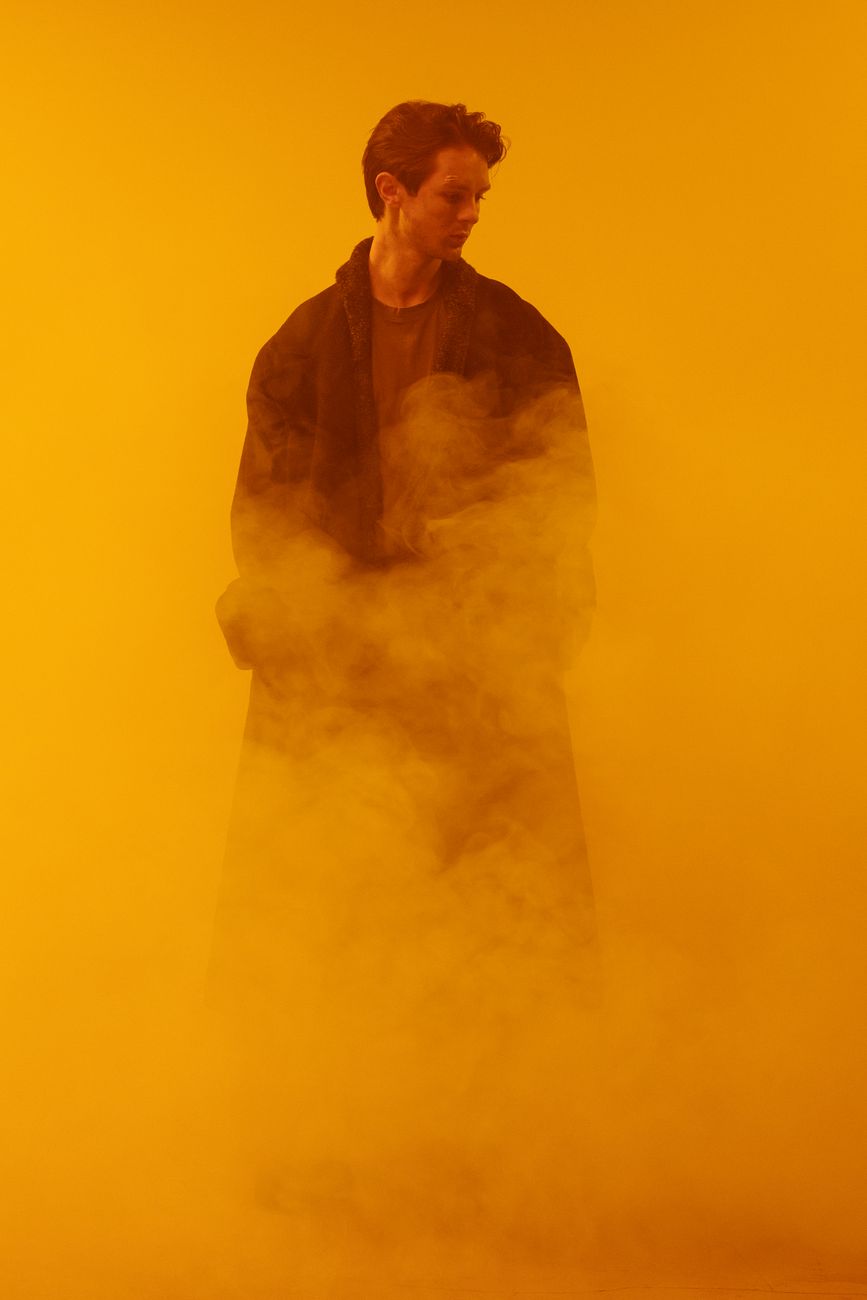
For a sophisticated city look, the cloak should be treated as a piece of high-fashion outerwear. The goal is to create a sharp, modern silhouette.
- The Cloak: Choose a cloak in a dark, solid color like charcoal, navy, or black. A mid-length cut made from a quality wool or a heavy twill will work best. Look for clean lines and minimal ornamentation.
- The Outfit: Wear it over a modern, fitted base layer. Think slim-fit dark denim or chinos, a simple high-quality sweater or henley, and a pair of leather Chelsea or combat boots. The sleekness of the clothes underneath provides a contemporary anchor, allowing the cloak’s dramatic drape to stand out without overwhelming the look. Keep other accessories to a minimum; the cloak is the statement.
The rugged wanderer: functional and earthy
This style leans into the cloak’s practical, historical roots. It’s perfect for a walk in the country, a weekend trip, or anyone who favors a more rustic, heritage-inspired aesthetic.
- The Cloak: Opt for earth tones—olive green, rich brown, heathered grey. A heavier wool or a waxed canvas is ideal. A hood is almost essential for this look, adding to the functional, adventurous feel.
- The Outfit: Layering is key. Pair the cloak with rugged textures like a flannel or chambray shirt, a thick cable-knit sweater, and durable trousers like canvas work pants or corduroys. Sturdy leather hiking or work boots are the perfect footwear. Accessorize with a leather belt and perhaps a simple woolen beanie. Here, the cloak feels less like a fashion piece and more like an essential tool, a trusted companion against the elements.
Subtle nods to the order
You can honor the legacy of the Templars without wearing a literal uniform. The modern cloak is the perfect canvas for subtle symbolism. Instead of a large, overt cross, consider a small, discreet pin on the collar or clasp. Choose a simple clasp forged in iron for a humble, martial feel. On a formal occasion, wearing a stark white or off-white cloak over a dark suit is a powerful and elegant tribute to the original Templar mantle. The spirit is conveyed not through exact replication, but through intention and principle—choosing a garment that represents protection, purpose, and a quiet strength.
Ultimately, to wear a cloak in daily life is to make a choice. It’s a choice to step away from the mundane, to embrace a piece of living history, and to carry oneself with a different kind of presence. Like the mantle of the knights of old, it is both a shield and a statement. It tells the world that you value tradition, that you are not afraid to stand apart, and that you understand the enduring power of a timeless silhouette. Find the fabric, the cut, and the style that speaks to you, and wear it with the confidence of a knight. Unveil the legend in your own stitch, and walk your path with purpose.

 Templar Uniform Editorial


