Understanding how groups in the past approached their professional appearance can offer practical perspectives for today’s workplaces. The Knights Templar, known for their disciplined structure, provide a unique historical example of how attire was deeply integrated with identity, purpose, and operational standards.
This article examines aspects of Templar lore to draw parallels with modern uniform considerations. We will look at how their approach to dress can inform our own decisions regarding team cohesion, professional presence, and the practical realities of workplace attire in healthcare, service, industrial, and corporate settings.

Uniformity and Purpose: Beyond the Garment
For the Knights Templar, their uniform was far more than just clothing; it was a clear statement of their purpose and adherence to a strict code. Each piece, from the tunic to the mantle, signified their commitment to their order and mission. This wasn’t about fashion, but about function and identity.
In today’s workplaces, uniforms serve a similar role. They communicate a team’s function, adherence to safety protocols, or a company’s brand standards. Whether it’s scrubs in a hospital, a branded polo in a service role, or specific gear in an industrial setting, the uniform signals purpose and professionalism. It helps define who is part of the team and what their role entails, often before a word is spoken.

The White Mantle: Identity and Trust in the Field
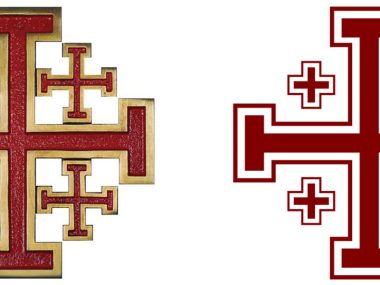
The distinctive white mantle worn by the Templars, often adorned with a red cross, made them instantly recognizable. This visual identity was crucial in establishing their authority and trustworthiness, both among allies and in the eyes of the public. It conveyed a sense of order and reliability.
Modern professional attire operates on similar principles. A clean, well-maintained uniform in healthcare builds patient trust. A clearly branded uniform for a service technician assures customers of legitimate representation. In corporate environments, a consistent dress code projects a unified and credible image. These visual cues are essential for building rapport and establishing professional credibility in daily interactions.
Practicality and Durability: Lessons from the Road
Templar attire was designed for the rigors of travel, combat, and varied environmental conditions. Their clothing needed to be durable, functional, and suitable for demanding physical activity. This focus on practicality was paramount for their operational effectiveness.
This historical emphasis on functional attire directly relates to modern workwear. For industrial workers, uniforms must offer protection and withstand heavy use. Service professionals need clothing that allows for movement and maintains a professional appearance throughout a shift. Comfort and durability are not luxuries; they are practical necessities that impact an employee’s ability to perform their job effectively and safely, reducing the need for frequent replacements.

What often gets overlooked is the true cost of less durable options. While a cheaper uniform might save a few dollars upfront, its shorter lifespan creates a ripple effect. Beyond the obvious need for more frequent replacements, there’s the administrative burden of reordering, tracking, and distributing new items. This pulls resources away from core tasks. Moreover, uniforms that quickly show wear—fading, pilling, or losing their shape—can subtly undermine a team’s professional image, even if they’re technically still intact.
Employees notice these differences. Constantly dealing with ill-fitting, uncomfortable, or rapidly deteriorating workwear can lead to frustration and a sense of being undervalued. For supervisors, this translates into managing complaints, dealing with non-compliance issues due to worn-out gear, and the ongoing pressure to maintain team appearance standards within budget constraints. It’s a cycle that impacts morale and operational efficiency.
The theoretical lifespan of a garment often differs from its practical reality in a demanding work environment. A uniform might be rated for a certain number of washes, but the specific detergents, temperatures, and industrial laundering processes common in many workplaces can accelerate wear. Similarly, the constant friction from tools, machinery, or repetitive movements can stress fabric in ways not always captured by initial product specifications, leading to premature failure in critical areas.
Symbolism in Simplicity: Communicating Without Words
The Templars’ use of simple, powerful symbols, like the red cross on their white mantle, conveyed their core values and mission without complex explanations. This visual shorthand was effective in communicating their identity and dedication to a broad audience.
In contemporary professional settings, a clean and simple appearance also communicates volumes. While not always involving overt symbols, a well-pressed shirt, neat grooming, and appropriate attire signal attention to detail, respect for the workplace, and a professional attitude. This understated symbolism helps foster a perception of competence and reliability, which is valuable in any professional interaction.

Maintaining Standards: A Collective Responsibility
The Templars had strict rules regarding the maintenance and cleanliness of their attire, reflecting their discipline and respect for their order. This wasn’t just about personal hygiene; it was about upholding the collective image and standards of the group.
Similarly, in today’s workplaces, individual responsibility for uniform maintenance is critical. A clean, well-kept uniform reflects positively on the entire team and organization. Conversely, a neglected uniform can undermine the professional image and trust that a team strives to build. Ensuring uniforms are clean, repaired, and worn correctly is a shared responsibility that contributes to the overall professional perception of the workplace.

 Templar Uniform Editorial