
Introduction: The Enduring Appeal of the Templar Aesthetic
The image of the Knights Templar, with their distinctive white mantles and bold red crosses, has captivated imaginations for centuries. Far from being confined to history books, their aesthetic continues to resonate, finding new life in unexpected corners of modern culture. One such fascinating evolution is the emergence of “Winter Templar Streetwear” – a contemporary interpretation that blends the rugged practicality and profound symbolism of the medieval order with the urban edge and functional design of modern fashion.
This isn’t about historical reenactment; it’s about drawing inspiration from a powerful visual legacy. The Templars were, in their time, a formidable force, and their attire reflected both their spiritual devotion and their martial prowess. In the harsh winters of the Crusader states or the chill of European commanderies, their clothing was designed for protection, durability, and clear identification. These core principles – utility, resilience, and symbolic clarity – are surprisingly relevant to today’s streetwear scene.

As we delve into this unique fusion, we’ll explore how elements of Templar uniform, from the iconic cloak to the stark color palette, can be reimagined for the modern urban environment. It’s an invitation to explore a style that speaks of strength, purpose, and a subtle nod to a legendary past, all while keeping you warm and stylish through the colder months. 
Historical Echoes: The Templar Cloak in Winter
At the heart of the Templar uniform was the mantle, or cloak, a garment of immense practical and symbolic importance. For the knights, this was typically a white woollen cloak, often lined for additional warmth, signifying purity and their monastic vows. Sergeants wore a similar mantle, but in black or brown. In the often-unforgiving climates where the Templars operated, from the Levant’s surprisingly cold nights to the damp winters of Western Europe, this heavy outer layer was indispensable for protection against the elements.
The cloak wasn’t merely a fashion statement; it was a functional piece of military and monastic attire. It provided insulation against biting winds and driving rain, offering a degree of comfort during long vigils, arduous journeys, or even while resting in unheated castles. Its robust construction and ample cut allowed for freedom of movement while ensuring maximum coverage, a testament to practical design born of necessity. The weight and drape of such a garment would have conveyed an immediate sense of gravitas and authority.
Translating this historical necessity into modern winter streetwear means looking at garments that offer similar qualities: substantial warmth, durable materials, and a commanding silhouette. Think of modern parkas, heavy wool coats, or even oversized hooded capes that echo the protective embrace of the Templar mantle. These pieces, when chosen for their quality and structure, can evoke the same sense of grounded strength and resilience that characterized the original Templar attire. 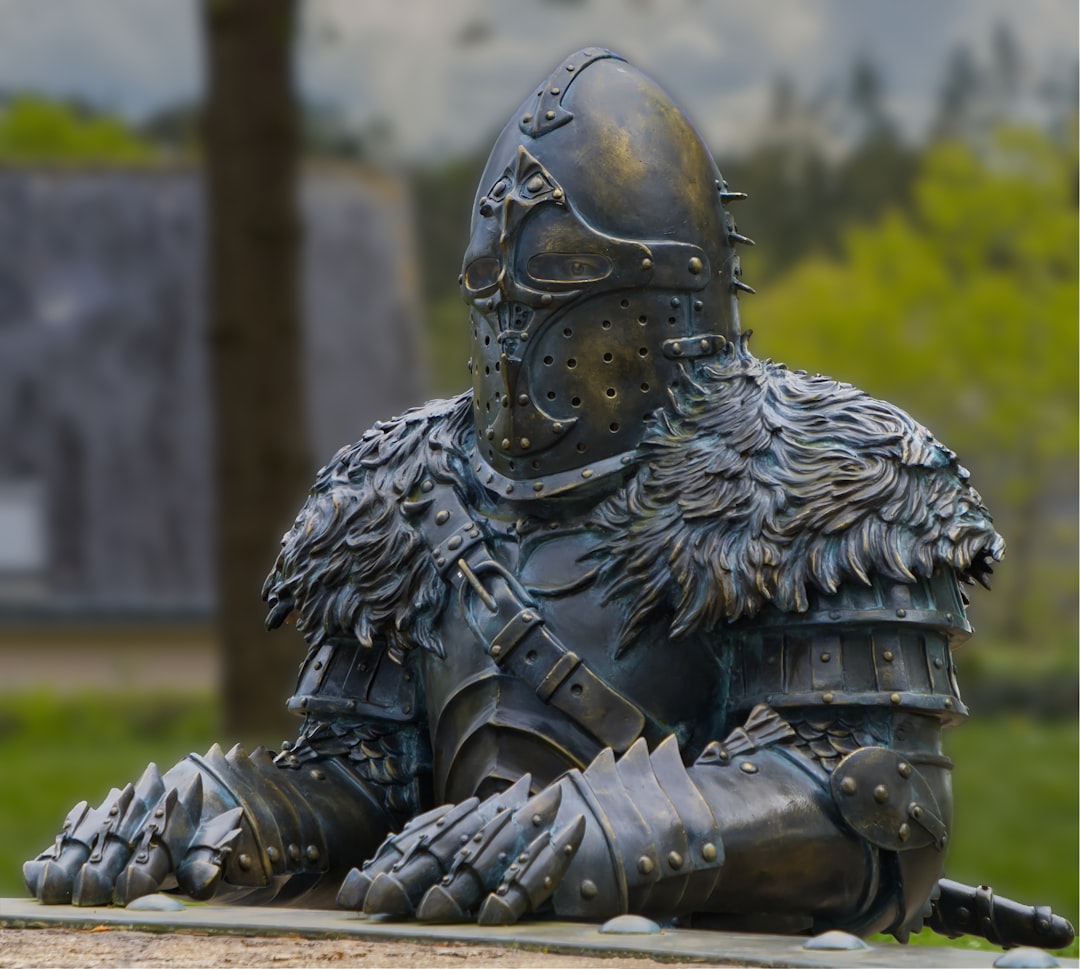
Symbolism Reimagined: The Cross and Color Palette
No discussion of Templar attire is complete without acknowledging the iconic red cross, emblazoned on the white mantle of the knights and the black or brown mantle of the sergeants. This cross, often a pattee or a simple Greek cross, was more than just an insignia; it was a powerful symbol of their devotion to Christ, their willingness to shed blood for their faith, and their identity as warrior monks. It was a beacon on the battlefield and a clear mark of their order.
In contemporary streetwear, the direct application of a large red cross might lean too heavily into costume. However, the essence of this symbolism can be reimagined with subtlety and sophistication. Consider the use of a deep, rich red as an accent color in an otherwise monochromatic outfit, perhaps in a beanie, a scarf, or even the lining of a jacket. The cross motif itself can be hinted at through geometric stitching, subtle embroidery, or even abstract patterns that evoke its shape without being literal.
The core Templar color palette – stark white, deep black, and vibrant red – offers a timeless and powerful foundation for winter streetwear. White evokes purity and clarity, black suggests solemnity and strength, and red signifies passion and courage. These colors, when combined thoughtfully, create a striking contrast that is both historically resonant and undeniably modern. A crisp white hoodie under a dark, structured coat, accented with a touch of red, immediately communicates a sense of purpose and understated power. 
Functional Aesthetics: Layering and Durability
The Templars, as both monks and soldiers, required clothing that was not only symbolic but also supremely functional and durable. Their daily lives involved rigorous training, long journeys, and often, direct combat. This necessitated garments made from robust materials like wool and linen, designed to withstand wear and tear, and to provide adequate protection in varying conditions. Layering was an inherent part of their dress, allowing for adaptability to different temperatures and situations.
This historical emphasis on utility and resilience finds a strong parallel in modern streetwear. Contemporary urban environments demand clothing that can stand up to daily commutes, changing weather, and an active lifestyle. Streetwear often prioritizes durable fabrics like heavy cottons, ripstop nylons, and technical blends, along with construction techniques that ensure longevity. The aesthetic often leans towards utilitarian details – reinforced seams, multiple pockets, and adjustable features – all of which echo the practical demands placed upon Templar attire.
Embracing a Templar-inspired winter streetwear look means investing in quality pieces that are built to last and designed for comfort in cold weather. Think about structured hoodies, insulated vests, and sturdy cargo pants that offer both warmth and utility. The art of layering becomes key: a thermal base layer, a substantial mid-layer like a fleece or a thick sweater, topped with a weather-resistant outer shell. This approach not only provides optimal warmth but also creates a dynamic, textured silhouette that speaks to a readiness for any challenge. 
Beyond the Battlefield: Templar Influence in Modern Design
The influence of the Knights Templar extends far beyond direct historical references, subtly permeating various aspects of modern design and culture. Their image embodies a unique blend of monastic discipline, military precision, and a sense of unwavering purpose. This combination appeals to a contemporary sensibility that values strength, authenticity, and a clear identity in a complex world. The Templar aesthetic, therefore, isn’t just about specific garments; it’s about an attitude and a philosophy of dressing.
In fashion, this translates into a preference for clean lines, structured silhouettes, and a minimalist approach that allows the quality of materials and the power of simple forms to speak for themselves. The idea of a ‘uniform’ – a cohesive, purposeful ensemble – is a recurring theme in both high fashion and streetwear. The Templars, with their strict dress code, were perhaps one of history’s earliest examples of a powerful, instantly recognizable ‘brand’ identity, conveyed through their attire.
Modern designers and fashion enthusiasts often draw upon these underlying principles. The appeal of a well-crafted, functional garment that conveys a sense of quiet authority, rather than overt flashiness, aligns perfectly with the Templar spirit. This enduring resonance ensures that the Templar legacy continues to inspire, even in the most unexpected of contemporary styles. 
Embracing the Legacy: Crafting Your Winter Templar Look
To truly embrace the spirit of Winter Templar Streetwear is to curate a wardrobe that reflects strength, purpose, and a subtle nod to history, all while maintaining modern comfort and style. Start with foundational pieces: a heavy, structured winter coat in white, black, or charcoal grey is paramount, echoing the protective mantle. Look for clean lines and robust fabrics like wool blends or technical synthetics that offer superior warmth and weather resistance. 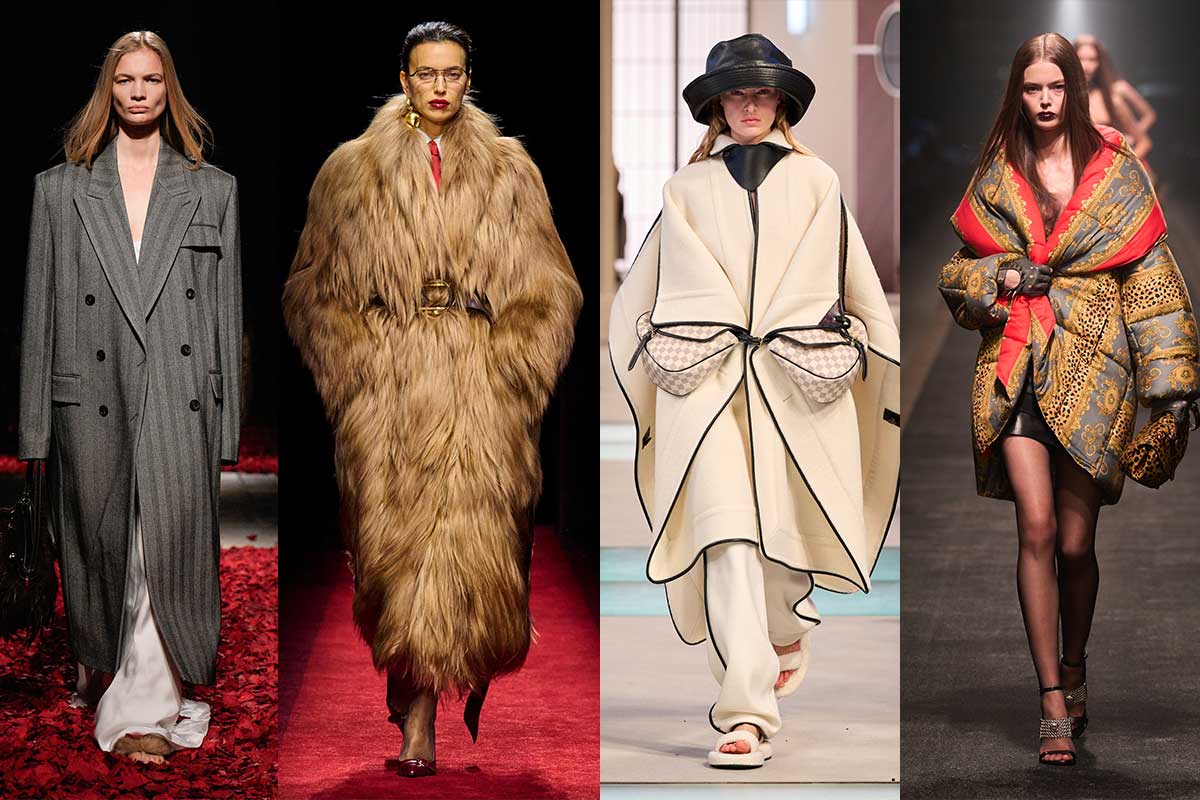
Layering is your ally. Beneath your main coat, consider a substantial hoodie or a crewneck sweater in a complementary neutral tone. A crisp white long-sleeve tee or a thermal base layer can serve as your inner garment, providing both warmth and a visual link to the Templar’s white tunic. For bottoms, dark, durable trousers – perhaps cargo pants with utilitarian pockets or sturdy denim – will complete the functional and grounded aesthetic.
Finally, infuse the symbolic elements thoughtfully. A beanie or scarf in a deep red can provide that crucial splash of Templar color. Footwear should be practical and robust: think sturdy leather boots or high-top sneakers in dark tones. Accessories can be minimal but meaningful – perhaps a simple, unadorned silver ring or a watch with a clean, military-inspired face. The goal is not to wear a costume, but to embody the enduring qualities of the Templar aesthetic: resilience, purpose, and an understated, powerful presence in the urban landscape. 

 Templar Uniform Editorial


