Understanding the practical aspects of workplace uniforms means looking beyond just the fabric. It involves recognizing enduring principles that make attire effective, whether in historical contexts or today’s busy work environments. This approach helps U.S. professionals make smarter decisions about their daily workwear, focusing on what truly matters for their job.
By examining these practical truths, we can better navigate the trade-offs involved in choosing, maintaining, and wearing uniforms. The goal is to ensure your work attire supports your role, rather than hindering it, and presents a consistent, professional image.

Uniforms as Practical Tools, Not Just Symbols
A uniform’s primary purpose has always been practical. Historically, attire was designed for function: protection, identification, and utility. In today’s workplaces, this truth remains. A healthcare scrub needs to be easy to clean and allow movement. An industrial uniform must offer durability and safety. Office attire needs to project professionalism while remaining comfortable for long hours.
When selecting uniforms, consider the actual demands of the job. Is the material breathable for active roles? Does it stand up to repeated washing? Does it offer necessary protection against workplace hazards? These are practical questions that outweigh purely aesthetic considerations.

The Truth of Professional Appearance in Team Settings
A consistent uniform helps build a cohesive team identity. When everyone adheres to a similar dress standard, it projects unity and professionalism to clients, patients, or customers. This isn’t about stifling individuality, but about presenting a unified front that reflects the organization’s standards.
For supervisors, maintaining uniform standards means clear communication and consistent enforcement. For team members, it means understanding that their individual appearance contributes to the team’s overall image. This coordination can improve trust and efficiency, especially in service-oriented roles where first impressions matter.
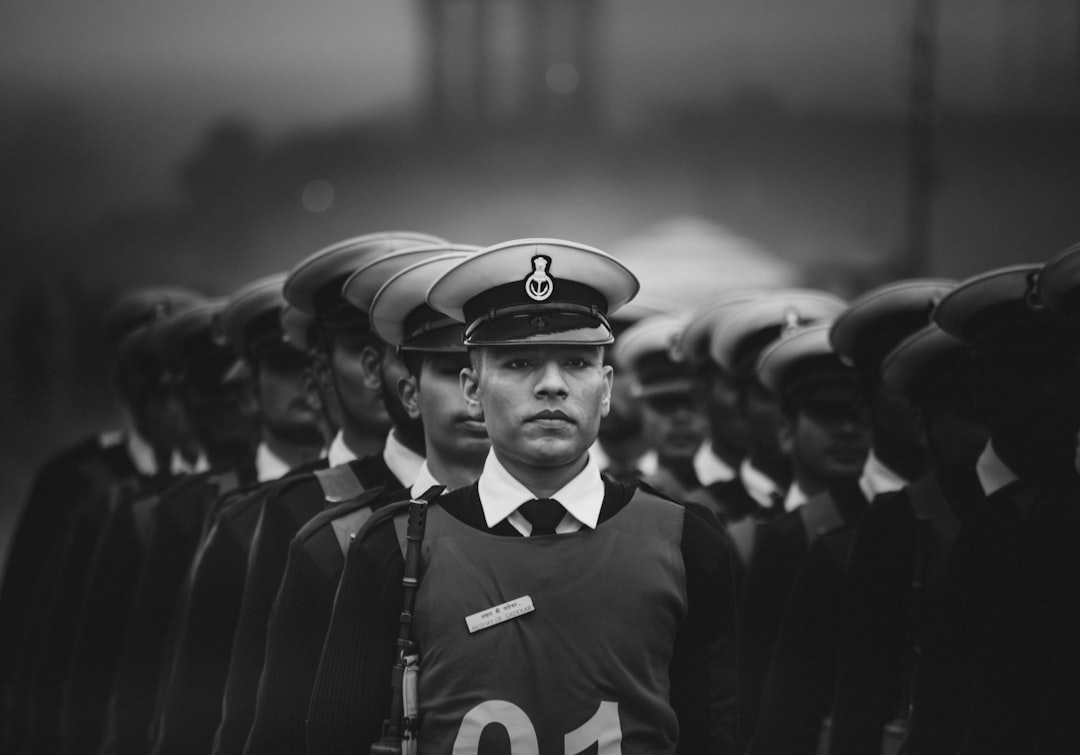
Balancing Tradition and Modern Needs in Dress Codes
Many workplaces have dress codes rooted in tradition, but modern job roles often require flexibility. The
 Templar Uniform Editorial