Understanding the past often provides perspective on current practices. When we consider historical items, even those as distant as Templar relics, we can draw parallels to how we value and manage our own professional heritage. This article explores the practical aspects of why certain items from history continue to hold significance, and what that means for appreciating the tools, uniforms, and symbols that define our work today.
Preserving Workplace Heritage: More Than Just Old Items
Many U.S. companies, from industrial plants to healthcare facilities, accumulate items over time. These might be old uniforms, early versions of equipment, or foundational documents. While not always seen as “relics,” these items represent a company’s journey, its evolving standards, and its core values. Preserving them offers practical benefits, such as providing context for new hires or demonstrating a commitment to long-term quality.

The decision to keep and maintain these historical pieces involves trade-offs. Space is often limited, and dedicated storage or display can incur costs. However, the value of a tangible link to a company’s past can reinforce identity and inspire current teams. It shows a history of work, not just a current operation.

Symbolism in Professional Identity: Lessons from Enduring Emblems
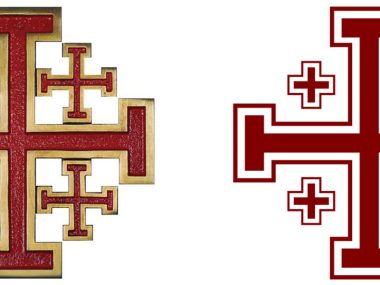
Historical symbols, like the crosses associated with the Templars, carried clear and immediate meaning. In today’s workplaces, uniforms, logos, and specific equipment serve a similar purpose. They are visual cues that communicate professionalism, team unity, and adherence to specific standards. The enduring appeal of historical emblems lies in their power to convey identity across generations.
For professionals, this translates to the practical importance of consistent visual identity. Choosing uniform designs that reflect a company’s mission, maintaining brand consistency across all materials, and understanding how appearance impacts client or patient perception are critical. A common mistake is underestimating the impact of a cohesive visual presence on team morale and external trust.

Authenticity and Standards: Verifying What Matters
The process of authenticating historical relics involves careful examination and verification to confirm their origin and integrity. This mirrors the ongoing need for authenticity and adherence to standards in modern work environments. For uniforms, this means ensuring materials meet safety specifications, designs align with brand guidelines, and suppliers consistently deliver quality products.
For equipment, it involves verifying calibration, safety certifications, and operational readiness. Practical decision-making here means investing in robust quality control processes and understanding all relevant compliance requirements. The trade-off is often the cost of thorough verification versus the significant risks associated with non-compliance, equipment failure, or using substandard items that compromise safety or performance.
While paperwork might suggest compliance, the reality on the ground can differ significantly. A supplier might provide certifications, but without active spot-checking, variations in manufacturing batches or material substitutions can go unnoticed. This isn’t always due to deliberate intent; sometimes it’s a breakdown in a supplier’s own internal quality control. The immediate consequence is often subtle: uniforms that wear out faster than expected, or equipment that requires more frequent, unplanned maintenance, quietly increasing operational costs over time.
These seemingly minor discrepancies accumulate. When workwear consistently fades or frays ahead of schedule, it impacts team morale and the professional image of the organization. Employees might feel undervalued if their uniform isn’t durable, leading to frustration and a perception of corner-cutting. Similarly, equipment that’s constantly ‘almost’ failing or requires workarounds can slow down operations, introduce new ergonomic risks, and add pressure on maintenance teams already stretched thin. The initial cost saving from a less rigorous verification process often gets absorbed by these hidden, ongoing expenses and the intangible cost of employee dissatisfaction.
Durability and Legacy: Building for the Long Term
Many historical items have survived centuries due to their inherent durability and the quality of their construction. This enduring physical presence highlights a key consideration for modern workwear and equipment: the importance of building for the long term. In demanding U.S. work environments, uniforms must withstand daily wear, industrial conditions, and frequent washing cycles.
Practical application involves carefully evaluating material science, stitching quality, and overall construction. While initial costs for highly durable items might be higher, the long-term benefits often outweigh them. These include reduced replacement costs, consistent worker comfort, and enhanced safety. Prioritizing the lowest upfront cost without considering total cost of ownership can lead to frequent replacements and operational disruptions.

 knighttemplar