Examining historical groups known for their distinct appearance, like the Knights Templar, can offer practical perspectives on how uniforms contribute to team identity, professional standards, and daily operational efficiency in current U.S. work environments. This isn’t about historical lessons for their own sake. Instead, it’s about drawing applicable insights for today’s challenges in managing workplace attire and team presentation.
For professionals across healthcare, service, industrial, and corporate settings, understanding these underlying principles can help in making better decisions about uniforms that serve both practical needs and organizational goals.

Uniformity as a Foundation for Team Identity
The Knights Templar were instantly recognizable by their white mantle adorned with a red cross. This wasn’t just clothing; it was a powerful symbol of their collective identity, shared purpose, and unwavering commitment. In a practical sense, it eliminated ambiguity about who they were and what they represented.
For modern workplaces, a consistent uniform serves a similar purpose. It helps build team cohesion, reducing internal distinctions and presenting a unified front to clients, patients, or the public. When everyone wears a similar standard, it fosters a sense of belonging and shared mission. The practical decision here involves choosing a uniform that clearly defines the team without sacrificing individual comfort or the ability to perform job functions effectively.

Projecting Professionalism and Trust Through Appearance
The disciplined appearance of the Knights Templar conveyed credibility and seriousness. Their uniform communicated order and reliability, which was crucial for their operations and public perception. This historical example highlights the enduring power of appearance in establishing trust.
In today’s professional world, a well-defined and consistently maintained uniform significantly impacts the perception of professionalism, trustworthiness, and competence. Whether it’s a healthcare provider, a service technician, or an office professional, a neat, compliant uniform can instill confidence in those they interact with. Practical trade-offs often involve balancing a polished look with the need for durability, ease of cleaning, and comfort for long shifts.

The Practicality and Symbolism of Work Attire
While highly symbolic, the Templar attire was also functional for their roles. Their clothing allowed for movement and offered some protection, suited to their demanding duties. This balance between symbolism and practicality is a critical consideration for any workplace uniform.
Contemporary uniforms must be both practical and symbolic. Practicality means the attire supports safety, allows for necessary mobility, and is made from materials suitable for the work environment. Symbolism means the uniform represents company values, brand identity, and the specific role. A common mistake is choosing uniforms that are impractical for the actual work, uncomfortable for staff, or don’t align with the company’s desired professional image. The best uniform supports the job first, then reinforces the brand.
While a uniform might appear suitable during an initial review, its true test lies in the daily grind of the workplace. Factors like breathability in a warm environment, the flexibility required for repetitive tasks, or how well it withstands industrial laundering are often overlooked. Ignoring these practical details can lead to immediate employee discomfort, which directly impacts focus and overall efficiency throughout a shift.
The downstream effects of an ill-suited uniform extend beyond immediate frustration. For instance, attire that restricts movement can contribute to fatigue or even minor strains over time, potentially increasing sick days or workers’ compensation claims. Similarly, poor material choices often mean uniforms wear out faster than anticipated, leading to unexpected replacement costs that weren’t accounted for in the initial budget. There’s also the less tangible but significant cost of low morale; employees who feel their comfort and practical needs are not prioritized may become disengaged.
This creates a common disconnect between theory and practice. What seems like a straightforward uniform decision from a management perspective can become a daily source of friction on the front lines. Teams often face pressure to adopt a uniform that is primarily cost-effective or aligns with a new branding initiative, sometimes at the expense of the practical considerations essential for performing their actual duties effectively.
Adapting Uniform Standards for Diverse Workplace Needs
Even within the Knights Templar, there were different roles, such as knights and sergeants, each with slight variations in their attire. This acknowledges that while uniformity is key, some adaptation is often necessary based on specific duties.
In modern workplaces, implementing uniform standards requires careful consideration of diverse roles. An administrative assistant’s uniform might differ from a manufacturing floor technician’s, or a clinical nurse’s from a hospital support service staff member’s. The goal is to maintain an overarching sense of unity and compliance while accommodating specific job requirements, safety regulations, and environmental factors. Decision-making here involves understanding the unique demands of each role and finding practical variations that still contribute to a cohesive organizational look.

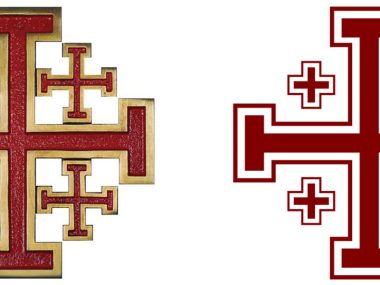
 Templar Uniform Editorial